Exodus 5
Gumatj Bible · Tap a verse to see its cross-references.
Mawtjitj ga Yärun marrtjina bala Buŋgawawalana
5:1—6:1 (Moses and Aaron went to Pharaoh)
1Ga yalalaŋumirriyunydja, maṉḏa Mawtjitj ga Yärun marrtjina bala buŋgawanhana withiyara Yetjippuyŋunhana, bala maṉḏa waŋananydja nhanukala bitjarrana, “Bitjan yukurra dhuwala Garraynydja waŋa, ŋunhi Yitjuralwunydja Waŋarr, ‘Ma' djuy'yurrana ŋarrakunydja miṯtjinha, walala yurru marrtjina ga buku‐ŋal'yun ŋarraku, ŋunhalana yurru ŋanhdharkŋurana wäŋaŋura.’”
2Yurru ŋunhi buŋgawanydja waŋana bitjarra warray, “Yol be ŋayi Garraynydja? Nhäku ŋarra yurru nhanŋunydja dhärukku malthun be? Yaka warray ŋarra marŋgi beŋuwu Garraywu. Yakana ŋarranydja yurru djuy'yun Yitjuralnhanydja.”
3Bala maṉḏa Mawtjitjtja ga Yärundja waŋana bitjarrana, “Ŋanapurru yurru marrtji ŋi', märr‐gurriri ŋunha‐bala ya', ḻurrkun' walu ŋanapurru yurru marrtjinydja ŋunhawalayi ŋanhdharklilinydja wäŋalili, ga ŋunhalayinydja ŋanapurru yurru wekama mundhurrnha Godkuna, wäyinnha bathan yurru nhanŋu, buku‐ŋal'yunna bitjanna manapan. Ŋuli ŋanapurru yakanydja nhanŋu buku‐ŋal'yun yurru, ŋayinydja yurru mak Godthunydja ŋanapurrunha bumana, ga rerriyuna ŋula nhäyuna ŋanapurru yurru burakirri.”
4Ga ŋayinydja waŋana ŋunhi buŋgawanydja maṉḏakala bitjarra, “Yakana yurru walala ŋunhiyinydja yolŋu walala marrtji. Yakana walala yurru ḏaḏawyun djämaŋuru. 5Nhumanydja dhuwalanydja Yitjuralpuyŋunydja miṯtji guḻku' mirithirri, dhaŋaŋ wal'ŋu, djuḻkmarama yukurra ŋanapurrunhanydja Yetjippuyŋunhanydja yolŋu'‐yulŋunha. Nhuma yurru djäma yana ŋanapurruŋgu, bäyŋu nhuma yurru ḏaḏawyun djämaŋuru.”
6Ga ŋulinyaramirriyu liŋgu, ŋayi buŋgawa wäthurruna ŋurru'‐ŋurruŋuwu djämamirriwu walalaŋgu ŋunhi walala yukurranha ŋuli buŋgawayinya Yitjuralpuyŋuwu walalaŋgu. Ŋayi waŋana walalaŋgala bitjarra, “Ŋunhanydja walala Yitjuralpuyŋunydja yolŋu'‐yulŋu ḏuŋ'ḏuŋmirrina, yana walala marrtji nhinana ŋunha, liŋgu walala yukurra waŋa bitjanna, ‘Gul' ŋilimurru marrtjina go, buku‐ŋal'yunna ŋilimurruŋgalaŋuwu Waŋarrwuna,’ bitjanna. Nhuma buŋgawayunydja walalay yurru gorrwuŋa muka walalanha, wirrkiwu muka wal'ŋu djämawu; walala bitjan yurru wirrki djäma ya', ŋutu' wal'ŋu, märr yakana walala yurru mäkiri'‐witjun maṉḏaku bothinyarayŋuwunydja dhäwu'wu.” Bala ŋuriŋi ŋurru'‐ŋurruŋuyunydja buŋgawayunydja walalay gorrwuŋala wirrkina, djämana ḻakaraŋala ŋutu'na.
15Bala Yitjuralpuyŋuyunydja yolŋuyu walalay waŋana ŋarrtjurruna maṉḏanhana Mawtjitjnhana ga Yärunnhana bitjarra, “Nhuma maṉḏa dhiyaŋu maṉḏathu ŋunhi buŋgawanhanydja ŋayaŋu‐yätjkuŋala, bala ŋayi yukurra ŋunha ŋaramurryirrina ŋanapurruŋgu, ga nhanŋu djämamirri walala bitjandhi yana liŋgu ŋaramurryirri yukurra ŋanapurruŋguway yana. Gatjpu' nhumalanha ŋayi Garrayyu rakunyguŋu, liŋgu nhuma yukurra goŋ‐wekama gara dhuwala walalaŋgala, ŋanapurruŋgu dharpunharawu.”
22Bala Mawtjitjtja balayi roŋiyina, ga waŋana Garraynha bitjarra, “Garray gay'. Nhäku warray nhe dhuwala galŋa‐yätjkuŋala dhuwala yolŋu'‐yulŋunhanydja? Nhäku nhe ŋarranhanydja yawungu djuy'yun lili dhipala? 23Liŋgu beŋurunydja ŋunhi ŋarra yawungu dhäwu' ḻakarama buŋgawawalanydja nhunanydja yäku, ga ŋayinydja ŋuli yukurra buŋgawanydja bitjanna liŋguna yätjthirrina dhiyaku yolŋu'‐yulŋuwunydja. Nhenydja yaka warray yawungu guŋga'yunanydja walalanha; yaka nhe walalanha dhawaṯmaranha, ga ŋoy‐ḻayyunmaranhanydja.”
Did you know?
Harder Work After Pharaoh's Refusal
- Easton's Bible Dictionary (1897) says the Pharaoh of the Exodus was probably Menephtah I, the fourteenth and eldest surviving son of Rameses II, but it treats the identification as still an open question: some scholars, it notes, favor Seti II, whose reign it describes as beginning peacefully and ending in sudden disaster. The entry says he resided at Zoan, where he received Moses and Aaron in the interviews recorded in Exodus.Sources: Pharaoh (of the Exodus) · the Bible text itself
- Easton's Bible Dictionary (1897) places Jacob's arrival in Egypt probably about 350 years before Moses was born. It says a Hyksos king, from a pastoral Semitic people of Asia and called a shepherd king, received the family favorably and assigned them Goshen, the best of the land; in this chapter Pharaoh treats the people of Israel, now numerous, as laborers he will not let go.Sources: Moses · the Bible text itself
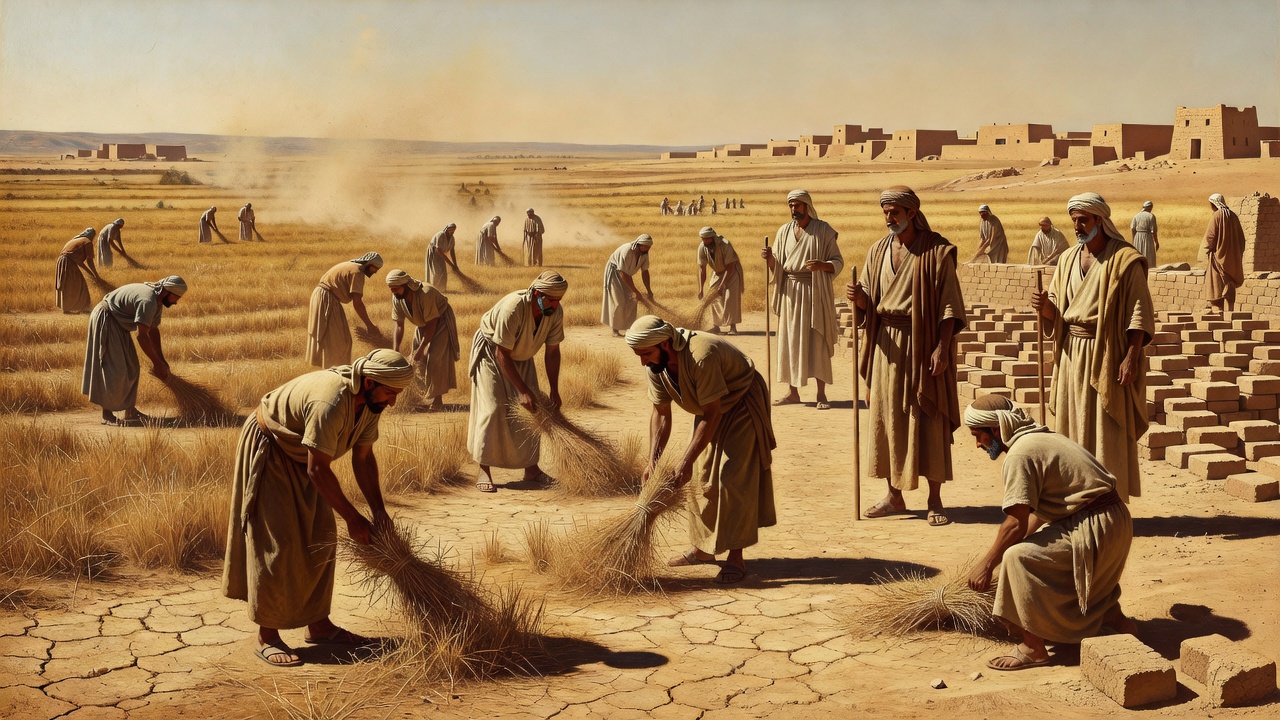
- Pharaoh answers the request to hold a feast in the wilderness by no longer supplying straw for the bricks, while still requiring the same daily quota. The people scatter through the land of Egypt to gather stubble, and the Israelite foremen whom Pharaoh's taskmasters had set over them are beaten when that quota is not met.Sources: the Bible text itself
Notes written with AI assistance from open sources (Theographic Bible Metadata, CC BY-SA 4.0; Easton’s Bible Dictionary, public domain) and reviewed before publishing.
Places in this chapter
Only places identified with high confidence are shown (90% or more according to the scholarly sources compiled by OpenBible). Period map: DARE (Digital Atlas of the Roman Empire), CC BY 4.0; modern map: © OpenStreetMap contributors; places: OpenBible.info (CC BY 4.0).
Credits and license for this translation
Gumatj Bible
The Holy Bible in the Gumatj language of Australia
copyright © 1989, 2017 Bible Society of Australia
Language: Gumatj
Old Testament published 1989; New Testament published 2017
This translation is made available to you under the terms of the
Creative Commons Attribution-Noncommercial-No Derivatives license 4.0.
You may share and redistribute this Bible translation or extracts from it in any format, provided that:
You include the above copyright and source information.
You do not sell this work for a profit.
You do not change any of the words or punctuation of the Scriptures.
Pictures included with Scriptures and other documents on this site are licensed just for use with those Scriptures and documents.
For other uses, please contact the respective copyright owners.
2025-10-10
Source: http://ebible.org/gnn/ · eBible.org