Exodus 1
Gumatj Bible · Tap a verse to see its cross-references.
About this book
About Exodus
- Easton's Bible Dictionary (1897) dates Israel's departure from Egypt to about 1490 B.C., four hundred and eighty years before Solomon's temple was built. How long they had sojourned there is disputed: Exodus 12:40 gives four hundred and thirty years, Genesis 15 speaks of about four hundred, and the Greek and Samaritan versions also count the years in Canaan, so some reckon only two hundred and fifteen years in Egypt.Sources: Easton: Exodus
- Easton's Bible Dictionary (1897) does not name the author of Exodus. The entry on Moses says Jacob and his sons went down into Egypt, probably about three hundred and fifty years before Moses was born, and that a Hyksos king, from a pastoral Semitic people of Asia who then ruled Egypt, settled them in Goshen. Moses later spent forty years in Midian, where that people pastured flocks on the Sinai peninsula, and became the son-in-law of Jethro, priest of Midian.Sources: Moses · Easton: Exodus · Midian · Jethro
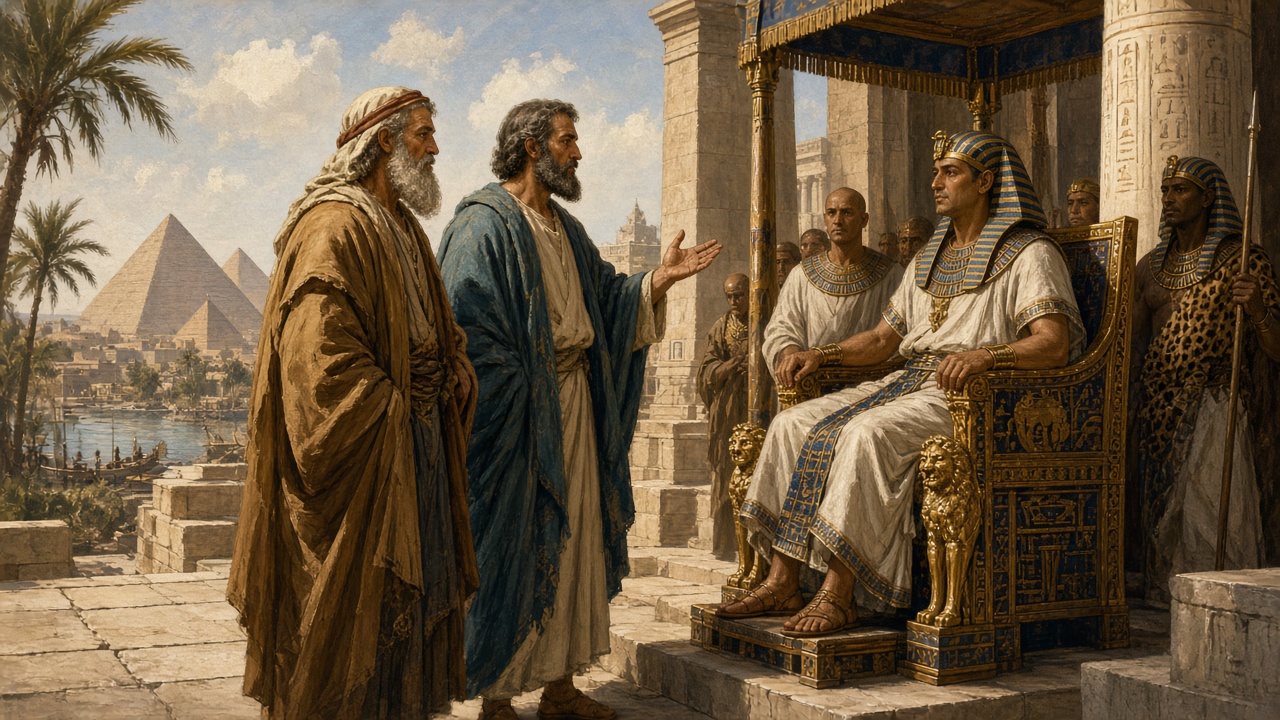
- Who was Pharaoh at the departure is also disputed. Easton's Bible Dictionary (1897) calls him probably Menephtah I, the fourteenth and eldest surviving son of Rameses II, who lived at Zoan and met Moses and Aaron there, while noting that some favor Seti II, whose reign began peacefully and ended in sudden disaster.Sources: Pharaoh (of the Exodus)
- The plagues, Easton writes, loosened Pharaoh's hold, and the Passover was instituted as a perpetual memorial, with the lamb's blood sprinkled on the doorposts. In the third month the people reached Mount Sinai, also called Horeb, about one hundred and fifty miles from the Red Sea, and camped there about a year. The last twenty-two chapters of Exodus record that stay, including the tabernacle, whose Holy Place had no opening for daylight and was lit only by the golden candlestick.Sources: Easton: Exodus · Mount Sinai · Holy Place
- Aaron, eldest son of Amram and Jochebed, was born in Egypt three years before Moses and was sent to meet him so the two could work together. At Rephidim, Joshua, also born in Egypt, commanded Israel's fighters when the Amalekites, a pastoral people living between the Dead Sea and the Red Sea, tried to bar their way.Sources: Aaron · Joshua · Amalek
Notes written with AI assistance from open sources (Theographic Bible Metadata, CC BY-SA 4.0; Easton’s Bible Dictionary, public domain) and reviewed before publishing.
Yitjuralpuyŋu miṯtji yukurrana nhinana Yetjipnha wäŋaŋura
1:1–22 (The Israelites in Egypt)
1Yo, ŋayi worruŋuyu yolŋuyu ŋuriŋi Djaykupthu gonha'yurrunana Gaynan, bala marrtjinana, ga yumurrku' nhanŋu marrtjina galki, bala nhinananydja walala yukurrana ŋunhala Yetjipnha, ga dhuwalana nhanŋu yumurrkuny'tja gam' yäku, Ropin, ga Djimiyan, ga Lepay, ga Djuda, ga Yitjaka, ga Djapalan, ga Bindjaman, ga Dän, ga Napali, ga Gäd, ga Yatja. Yo, ŋunhiyi walala ḏarramuwurru marrtjina djamarrkuḻi'mirrina ga dhäykawurrumirrina, marrtjina walala yukurrana galki ŋurikalaŋumirrina djawuḻpa'walaŋumirrina, ŋunhi ŋayi wiripunydja yäku ŋunhiyi Yitjuralnha. Ga ŋayipinydja ŋunhi Djotjiptja nhinana yukurrana ŋunhala Yetjip wäŋaŋura ŋulinyaramirriyunydja ŋunhi walala nhanŋu gutha'mirriŋu walala ga bäpa'mirriŋu bunanana, bala wäŋaraŋalana Yetjipnha.
6Dhuŋgarra marrtjina djuḻkthu'‐djuḻkthurrunana‐a‐a, bala ŋayi Djotjip ga gutha'mirriŋu walala nhanŋu murrmurryurruna marrtjina warrpam'nha, yurru ŋurikiŋi walalaŋgu walkur‐märranharanydja mukthurrunana nhinana yukurrana ŋunhili Yetjip wäŋaŋura dhuŋgarranydja ŋunhi ŋupara weyinnha‐a‐a, ga yana liŋgu‐u‐u ga ŋunhi miṯtji Yitjuralnydja biyapulnha dhaŋaŋdhinana.
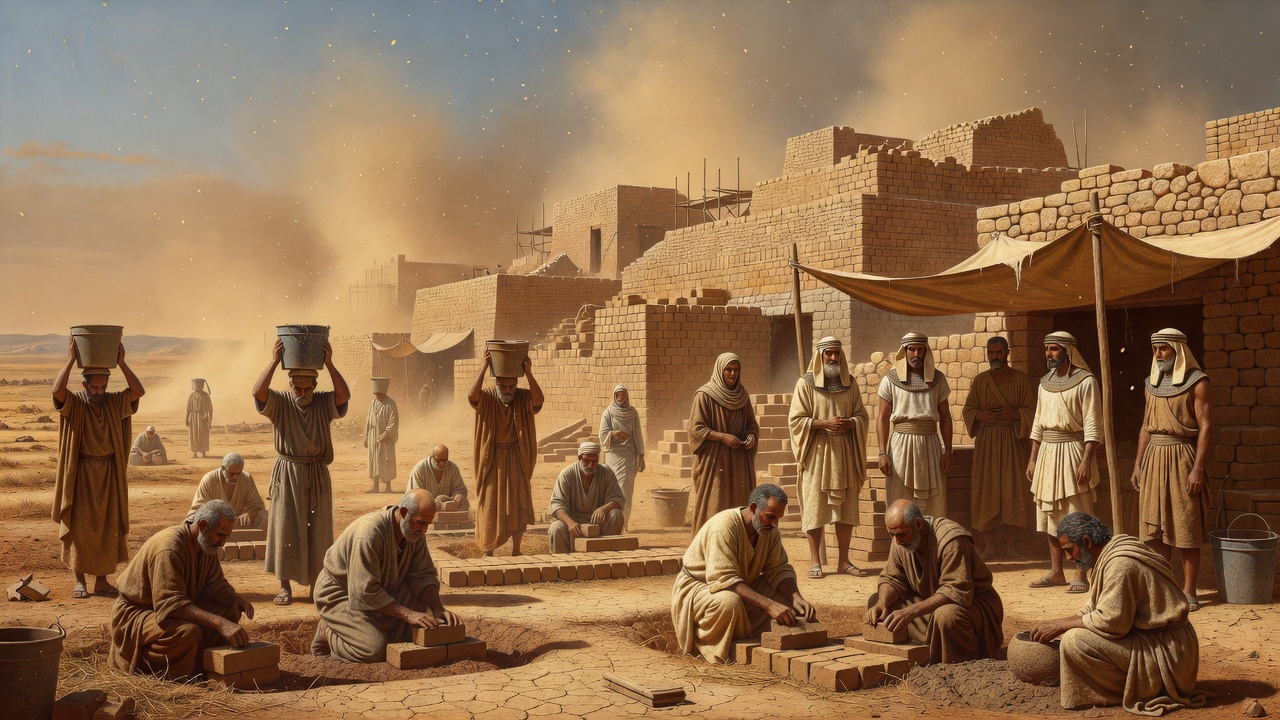
8Ga ŋuliŋurunydja dhurrwaraŋuru wiripuna ḏarramu wapthurruna buŋgawayina wäŋaŋura Yetjiptja, yurru ŋayi ŋunhiyi Giŋ yakana ŋula yukurrana marŋgithina Djotjipkunydja, 9bala ŋayi buŋgawayunydja ŋuriŋiyi ḏarramuyu waŋana nhanukalayŋuwala malawala bitjarrana, “Wäy, dhuwalanydja walala yolŋu'‐yulŋu Yitjuralpuyŋunydja guḻku'na mirithirrina miṯtji ŋiniya? . . . galki walala boŋguŋu djuḻkthunmaraŋuna ŋilimurrunhanydja malayu. 10Ŋuli balaŋu miriŋunydja ḏo'yurru dhiyala ŋilimurruŋgu, mak walalanydja ŋuli waŋgany‐manapanmina, dhuwalanydja walala yolŋu'‐yulŋu, bala waṉḏi winya'‐winyayurruna ŋilimurruŋgala dhipuŋuru wäŋaŋurunydja. Nhaltjanna yurru ŋilimurru yulŋunydja walalanha?”
11Bala ŋayi ŋuriŋi Giŋdhunydja djämana walalaŋgu Yitjuralpuyŋuwunydja ḻakaraŋala, ŋutu'na dhika djäma, mel‐nherrara walalanha, ga wirrkina walalanha yukurrana ŋuriŋi buŋgawayu walalay gur'kuryurruna yana djämawunydja, yakaŋuwuna ŋula nhinanharawu galkunminyarawunydja. Walala dhuḻ'yurrunanydja yukurrana maltjaṉana yindi maṉḏanha wäŋa ŋurikiyi Giŋgu, yäkunydja ŋunhi wäŋanydja maṉḏanha Bithumbuy ga Ramdjitjpuy. 12Yo, gonhayi walalanha ŋuli gur'kuryunna baku‐ŋayathanhanydja mirithinyarawunydja djämawu, yana marrtjina walala miṯtjinydja guwar‐yalkthunmina warray, yana liŋgu ga guḻku'thina dhika mala. Bala ŋunhi bukmak yolŋu'‐yulŋu Yetjippuyŋunydja wirrkina beyaṉiyina, mala nhäŋala guḻku'thinyarana Yitjuralpuyŋunhanydja.
13Yurru walala Yetjippuyŋuyunydja mukthurrunana dhika gur'kuryurruna djäma ḻakaraŋala bartjunmaraŋala bumara. 14Walu‐ŋupana walala ŋuli djämana yana marrtjinya, guṉḏana dhika ŋonuŋmirrina ḻaw'ḻawmaranha, ga wiripu malanha ŋonuŋmirri djäma, yaw'yuna marrtjinya munatha'na. Yurru mukthurruna warray yana malanydja marrtjina ŋuthara bitjarrana liŋguna.
15Yo, ŋulinyaramirriyunydjayi yukurrana nhinana märrma' dhäyka maṉḏa, ŋunhi maṉḏa ŋuli yukurranha guŋga'yuna Yitjuralpuyŋunha dhäykawurrunha ŋunhi walalaŋguŋu ŋuli Yitjuralpuyŋuwuŋu yothu ŋurruŋu‐dhawal‐wuyaŋinya, ga yäkunydja ŋunhiyi maṉḏa dhäykanydja Djipura ga Buya. 16Bala ŋayi ŋunhi Giŋdja wäthurruna maṉḏaku, ga waŋana bitjarrana maṉḏanha, “Ŋunhi nhuma yurru guŋga'yundja yukurra ŋunhiyi dhäykawurrunha Yitjuralpuyŋunhanydja, ga yothunydja yurru ŋunhi dhawal‐wuyaŋirri ḏarramunydja ŋula, dhunupana nhumanydja yurru buŋana ŋunhiyi yothunha. Ga ŋunhi yurru yothu miyalk dhawal‐wuyaŋirri, nhumanydja yurru yana ŋarambiya'‐nherraṉmirri walŋakuma ŋanya.” 17Yurru maṉḏanydja ŋunhi miyalktja maṉḏa borrk‐beyaṉiyinana Godkuna; yakana maṉḏa ŋunhi dhäruktja märraŋala ŋanya ŋunhi buŋgawanhanydja, yakana maṉḏa marrtjina bumara ḏarramuwurrunhanydja yumurrku'nha.
18Ga biyapul ŋayi ŋunhi buŋgawa wäthurruna maṉḏaku, ga waŋana bitjarrana, “Nhäku warray nhuma yakanydja bumara marrtjina ŋunhi ḏarramuwurrunhanydja yumurrku'nha? Nhäku nhuma ŋuli walalanha walŋakumanydja?”
19Bala maṉḏa ŋunhi dhäykana maṉḏa buku‐wakmaraŋala waŋana bitjarra, “Ŋunhanydja gay Yitjuralpuyŋunydja dhäykawurru wiripu warray, ganaŋ'thun yukurra yana Yetjippuyŋuwalanydja dhäykawurruŋgala. Walalanydja ŋunha ḏäwalamirri walŋamirri balanyara, bira'yun yukurra nhina, ga ŋurikiyina märrwu walalaŋguŋu djamarrkuḻiny'tja ŋuli dhawal‐wuyaŋirri waḏutjana yana, ga ŋanapurrunydja ŋuli marrtji dhuḏitjnha.”
20Yo, ŋayinydja ŋunhi Godtja wirrkina yana wokthurruna maṉḏaku ŋurikiyi, bala ŋayi djämana yukurrana ḻatjuny'tja dhikanydja ŋuriki dhäykawunydja maṉḏaku, bala yumurrku'nhana maṉḏaku wekaŋala ḻatju'kuŋala dhika, liŋgu maṉḏa borrk‐beyaṉiyina nhanŋu Godku, ga dhäruknha ŋanya märraŋala. Ga Yitjuralpuyŋu miṯtji ŋunhiyi ŋuthara bena birrŋ'thurrunana yana, biyapulnha miṯtji dhaŋaŋdhinana.
22Bala ŋuriŋi Giŋdhu nherrara wiripuna rom nhanukalaŋuwu yolŋu'‐yulŋuwunydja bukmakkuna yana, ga dhuwalana romdja ŋayi ŋunhi nherrara gam'. “Ŋunhi ŋayi Yitjuralpuyŋu yothu dhawal‐wuyaŋirri yurru ḏarramunydja, dhunupana nhuma yurru märramana ŋunhiyi yothunhanydja ḏarramunha ya', bala ŋurrkama mayaŋ'lilina, märr yurru ŋayi guḻwuḻyunna rakunydhirrina. Ga dhäykawurru yumurrku' yurru walŋamirrinydja nhina.” Ga dhuwalayina ŋayi romdja nherrara ŋuriŋiyi Giŋdhu.
Did you know?
Israel's Growth and Oppression in Egypt
- Easton's Bible Dictionary (1897) says that the Hebrews in Egypt were under Joseph's protection for about seventy years, and that after his death their condition changed only gradually. It notes that the new king who did not know Joseph was generally supposed to be Aahmes I, whom Josephus calls Amosis, though discoveries of that time led the dictionary to conclude that he was Seti, after the Hyksos were driven out and the former dynasty restored.Sources: Pharaoh · the Bible text itself
- Set to forced labor, the Israelites built Pithom and Rameses as store cities for Pharaoh. Easton's Bible Dictionary (1897) explains Pithom as Egyptian Pa-Tum, 'house of Tum,' the sun-god, and calls it a treasure city built for Pharaoh Rameses II; it identifies the site with Tell-el-Maskhuta, where ruins of supposed grain-chambers were reported in 1883.Sources: Pithom · Raamses · the Bible text itself
- Pharaoh then commanded that every son born to the Hebrews be thrown into the river. Easton's Bible Dictionary (1897) notes that the name Nile does not appear in Scripture; the Old Testament calls that river Sihor, 'the black stream,' or simply 'the river,' as in Exodus 1:22.Sources: Nile · the Bible text itself
Notes written with AI assistance from open sources (Theographic Bible Metadata, CC BY-SA 4.0; Easton’s Bible Dictionary, public domain) and reviewed before publishing.
Places in this chapter
- Egypt · 30.129, 31.308 · verses 1, 5, 8, 15, 17, 18
- Nile · Today: Nile River · 31.465, 30.367 · verse 22
Only places identified with high confidence are shown (90% or more according to the scholarly sources compiled by OpenBible). Period map: DARE (Digital Atlas of the Roman Empire), CC BY 4.0; modern map: © OpenStreetMap contributors; places: OpenBible.info (CC BY 4.0).
Credits and license for this translation
Gumatj Bible
The Holy Bible in the Gumatj language of Australia
copyright © 1989, 2017 Bible Society of Australia
Language: Gumatj
Old Testament published 1989; New Testament published 2017
This translation is made available to you under the terms of the
Creative Commons Attribution-Noncommercial-No Derivatives license 4.0.
You may share and redistribute this Bible translation or extracts from it in any format, provided that:
You include the above copyright and source information.
You do not sell this work for a profit.
You do not change any of the words or punctuation of the Scriptures.
Pictures included with Scriptures and other documents on this site are licensed just for use with those Scriptures and documents.
For other uses, please contact the respective copyright owners.
2025-10-10
Source: http://ebible.org/gnn/ · eBible.org