John 1
Gilaki John · Tap a verse to see its cross-references.
About this book
About John
- Easton's Bible Dictionary (1897) attributes the Gospel of John to the apostle John and says it was probably written at Ephesus about A.D. 90. It notes that after Jerusalem was destroyed in A.D. 70, Ephesus became a center of Christian life and activity in the East, and that from about 1820 many attempts were made to deny that John was the author.Sources: Easton: John, Gospel of
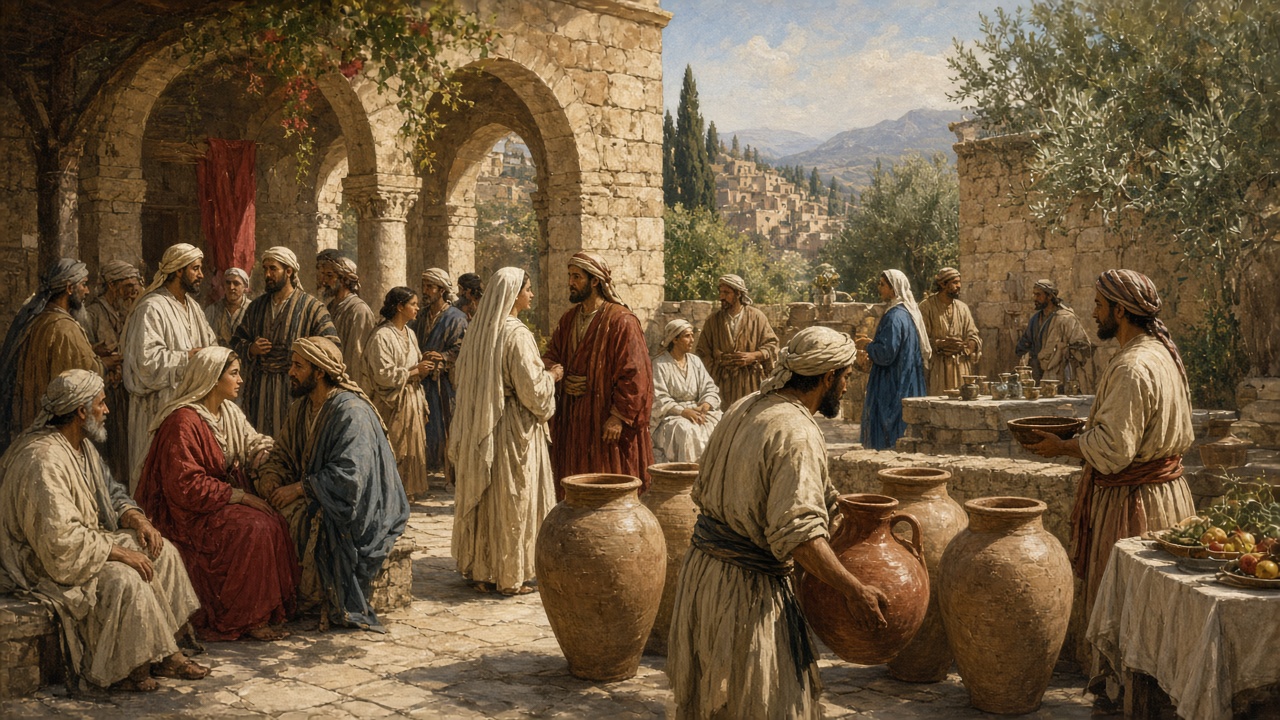
- The narrative is set in the time of Pontius Pilate, the sixth Roman procurator of Judea from A.D. 26 to 36, whose headquarters were at Caesarea and who often went up to Jerusalem. Judea was then the southernmost of Palestine's three divisions, distinguished from Galilee and Samaria, and was part of the Roman province of Syria; the Gospel also places a wedding at Cana, a town of Galilee near Capernaum.Sources: Pontius Pilate · Judea · Cana
- After the prologue (1:1-5), Easton says the historical narrative begins at verse 6 and falls into two parts. The first (1:6 through chapter 12) follows the public ministry from John the Baptist's introduction of Jesus until that ministry closes. The second (chapters 13-21) presents him in private life with his immediate followers (13-17) and then recounts his sufferings and his appearances to the disciples after the resurrection (18-21).Sources: Easton: John, Gospel of
- Easton lists four distinctive features: the relation of the Son to the Father, the relation of Christ to believers, the announcement of the Holy Spirit as the Comforter, and the prominence given to love in Christian character. The dictionary says the Gospel was addressed primarily to Christians.Sources: Easton: John, Gospel of
- Easton notes that it was once supposed John wrote to supply omissions in the first three Gospels, but says there is no evidence for this. Citing Reuss, it describes the book instead as a historical presentation of Christian faith centered on the person of Christ, picturing the world's antagonism to the truth revealed in him and the spiritual blessedness of the few who yield themselves to him as the Light of life.Sources: Easton: John, Gospel of
Notes written with AI assistance from open sources (Theographic Bible Metadata, CC BY-SA 4.0; Easton’s Bible Dictionary, public domain) and reviewed before publishing.
کلمه انسان بوبوسته
1از اوّل کلمه بو و کلمه خدا اَمره بو و کلمه، خدا بو. 2اون از اوّل خدا اَمره بو. 3همه چی توسطه اون به وجود بَمو، و از هر اونچی کی به وجود بَمو، هیچ چی بدونه اون به وجود نَمو.
4در اون حیات بو و او حیات، نوره آدمیأن بو. 5اَ نور در تاریکی تأبه و تاریکی نتأنه اونه از بین ببره.
6مردی بَمو کی خدا اونه اوسه کوده بو. اونه نام یحیی بو. 7اون شهادت دَئنهره بَمو بو، شهادته بر او نور، تا همه توسطه اون ایمأن بأورید. 8یحیی خودش او نور نوبو، بلکی بَمو بو تا بر او نور شهادت بده. 9اون نوره حقیقی کی هر آدمییه منوّره کونه، حقیقتاً به جهان اَمون دوبو.
10اون دنیا میأن ایسه بو و دنیا به واسطهیه اون به وجود بَمو، امّا دنیا اونه نشنأخته. 11به خو مِلکِ سر بَمو، ولی اونه قوم، اونه قبول نوکودیدی. 12امّا به تمامه کسأنی کی اونه قبول بوکودیدی، اَ حقَ فده کی خدا زأکأن بیبید، یعنی هر کسی کی به اونه نام ایمأن بأوره. 13نه کسأنی کی از انسان به دنیا بَموییدی و نه از نفسه خوأهشیدی و نه از ایتأ مردِ خوأسته به دنیا بَموییدی، بلکی تولدی از خدایه.
14و کلمه، انسانه خاکی بوبوسته و اَمی میأن ساکن بوبوسته و اَمأن اونه جلاله بیدهییم، جلالی کی شایستهیه او یگانه پسری ایسه کی از طرفه پئر بَمو، پُر از فیض و راستی. 15یحیی بر اون شهادت دَیی و با صدایه بلند گفتی کی: «اَن او کسی ایسه کی دربارهیه اون بوگفتم: ‹اون کی بعد از من اَیه بر من برتری پیدا بوکوده، چونکی قبل از من وجود دأشتی›.» 16از اونه پُری اَمأن همه بهرهمند بوبوستیم، فیض، فیضه سر. 17چونکی شریعت توسطه موسی بَمو، امّا فیض و راستی به واسطهیه عیسی مسیح بَمو. 18هیچکی هرگز خدایه نیده. امّا او یگانه، کی پئره ورجه ایسه و در خودشه ذاتم خدایه، اون، اونه بشنأسأنه.
یحیی شهادت
19اَنه یحیی شهادت او وختی کی یهودیأن، کاهنأن و لاویأنه از اورشلیم اونه پهلو اوسه کودیدی تا از اون وَورسید کی: «تو کی ایسی؟» 20یحیی اعتراف بوکوده، انکار نوکوده، بلکی اصرار دأشتی کی: «من مسیح نییم.»
21وَورسهییدی: «پس چی؟ تو الیاسی؟»
جواب بده: «نییم.» وَورسهییدی:
«تو او پیامبری؟»
جواب بده: «نه!»
22او وخت اونه بوگفتیدی: «پس کی ایسی؟ بوگو چی جوابی او کسأنیره کی اَمَره اوسه کودیدی، ببریم؟ دربارهیه خودت چی گی؟»
23یحیی طبقِ اونچی کی اِشَعْیایه نبی بیان بوکوده بو، بوگفته
«من او صدایه نداکوننده در بیابانم کی گه:
‹خداونده رایه همواره کونید!›»
24تعدادی از اوشأنی کی روانه بوسته بید و از فَریسیأن بید، 25اونه وَورسهییدی: «اگر تو نه مسیحی، نه الیاسی و نه او پیامبر، پس چره تعمید دیهی؟» 26یحیی در جواب بوگفته: «من آبه اَمره تعمید دهم، امّا شیمی میأن کسی ایسه کی شومأن اونه نشنأسیدی. 27اونی کی بعد از من اَیه، من لایقه وأکودن اونه کفشه بندم نییم.»
28اَشأن همه در بیتعَنْیا واقع در او طرفه اُردنِ رودخانه رخ بده، جایی کی یحیی تعمید دَیی.
خدا برّه
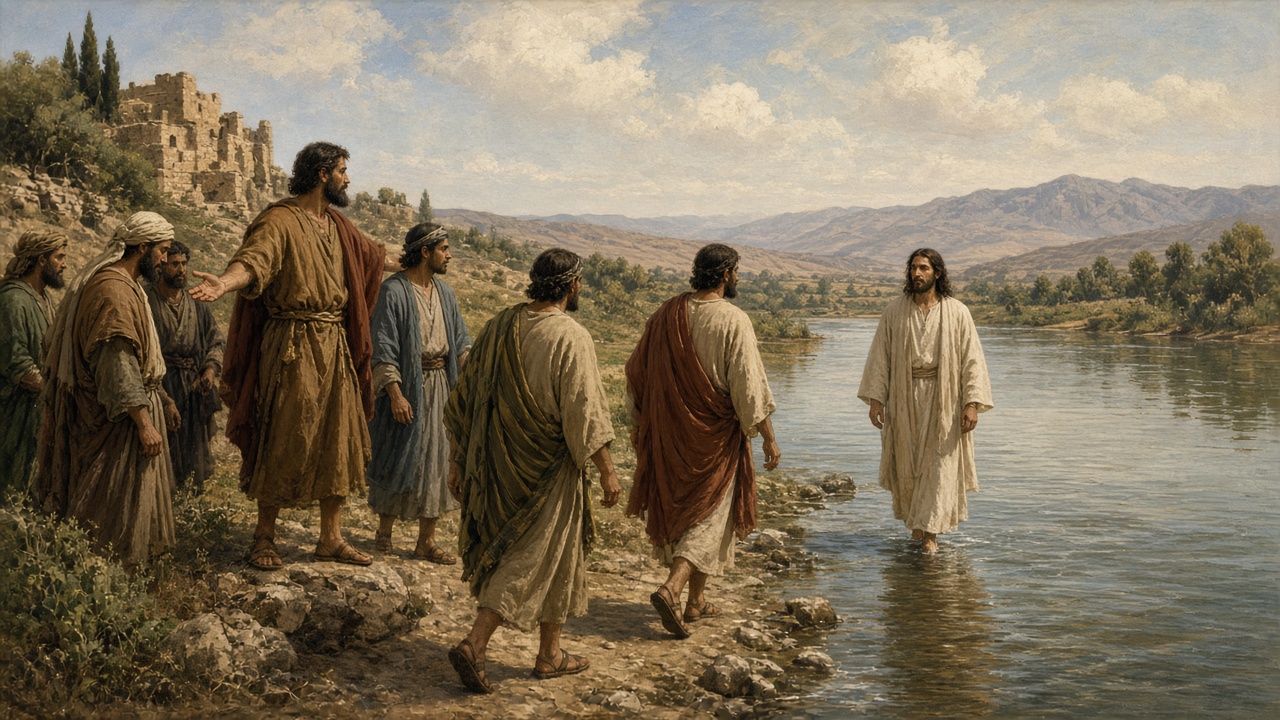
29فردایه او روز، یحیی چون عیسایه بیده کی اونه طرف اَمون دره، بوگفته: «اَنه برّهیه خدا کی گناهه از دنیا اوسَنه! 30اَن، اونی ایسه کی من دربارهیه اون بوگفتم؛ ‹بعد از من مردی اَیه کی بر من برتری دأشتی، چونکی قبل از من وجود دأشتی.› 31من خودمم اونه نشنأختیم، امّا هَنه وستی بَموم کی آبه اَمره تعمید بدَم تا اون، اسرائیلهره ظاهره به.» 32پس یحیی شهادت بده و بوگفته: «روحه بیدم کی کبوتره مأنستن از آسمان فرود بَمو و بر اون قرار بیگیفته. 33من خودمم اونه نشنأختیم، امّا اونی کی مره اوسه کوده تا آبه اَمره تعمید بدَم، مره بوگفته کی: ‹هر وخت بیدهیی کی روح بر کسی فرود بَمو و بر اون قرار بیگیفته، بدأن اون، اونی ایسه کی روحالقدسه اَمره تعمید دهه.› 34و من بیدم و شهادت دهم کی اَن خدا پسره!»
عیسی اوّلین شاگردأن
35فردایه او روز، ایبارِ دیگر یحیی خو دوتأ شاگردأنه اَمره ایسه بو. 36اون عیسایه کی راه شوئون دوبو، نیگاه بوکوده و بوگفته: «اَنه، خدا برّه!» 37وختی اونه دوتأ شاگرد، اَنه حرفه بیشنَوستیدی، از عیسی دونبالسر راه دکفتیدی. 38عیسی خو رویه وأگردأنه و بیده کی از اونه دونبالسر اَمون دریدی. اوشأنه بوگفته: «چی خوأییدی؟»
بوگفتیدی: «ای اوستاد، تی خانه کویه ایسه؟»
39جواب بده: «بأیید و بیدینید!» پس بوشوییدی و بیدهییدی کی کویه خانه دأره و او روز اونه اَمره سر بوکودید. او لحظه ساعته چهاره بعد از ظهر بو.
40ایتأ از او دو نفر کی یحیی حرفأنه بیشنَوسته بو و عیسی دونبالسر بوشو، آندریاس، شَمعونِ پِطرُسِ برأر بو. 41اون اوّل خو برأر شَمعونَ پیدا بوکوده و اونه بوگفته: «اَمأن مسیحه (کی اونه معنی ‹مسح بوبوستهیه›) پیدا بوکودیم.» 42و اونه عیسی ورجه ببرده. عیسی اونه نیگاه بوکوده و بوگفته: «تو شَمعونِ پِطرُس، یوحنا پسری. امّا ‹کیفا› دوخوأده بی» (کی اونه معنی صخرهیه).
عیسی فیلیپُس و نَتَنائیلَ به خو شاگردی دعوت کونه
43روزِ بعد عیسی خوأستی کی به ولایته جلیل بشه. فیلیپُسه پیدا بوکوده و اونه بوگفته: «می دونبال بیأ!» 44فیلیپُس اهله بیتصِیْدا بو، آندریاس و پِطرُسِ همشهری. 45اون نَتَنائیلَ پیدا بوکوده و بوگفته: «اون کسی کی موسی در تورات دربارهیه اون بوگفته و پیامبرأنم بینیویشتیدی، پیدا بوکودیم! اون عیسی، یوسفه پسر از شهر ناصرهیه!»
46نَتَنائیل اونه بوگفته: «مگر به، کی از ناصره چیزه خوبی بیرون بأیه؟»
فیلیپُس جواب بده: «بیأ و بیدین.»
47وختی عیسی بیده کی نَتَنائیل اونه طرف اَمون دره، دربارهیه اون بوگفته: «حقیقتاً کی اَنه او مردِ اسرائیلی کی در اون هیچ مکر و حیلهیی پیدا نیبه!»
48نَتَنائیل اونه بوگفته: «مره از کویه شنأسی؟»
عیسی جواب بده: «قبل از اونکی فیلیپُس تره دوخوأنه، وختی کی درخته انجیره زیر ایسه بی، تره بیدم.»
49نَتَنائیل جواب بده: «اوستاد تو خدا پسری! تو اسرائیله پادشاهی!»
50عیسی در جواب بوگفته: «آیا بخاطره اَنکی بوگفتم تره درخته انجیره زیر بیدم، ایمأن بأوردی؟ از اَن به بعد چیزأنه بزرگتری دینی.» 51بعداً بوگفته: «آمین، آمین شمره گم کی آسمان بازه به و خدا فرشتهیأنه در حالی کی بر انسانه پسر بیزیر اَییدی و به آسمان شیدی، دینیدی.»
Did you know?
The Word, John's Witness, and the First Disciples
- When the Jews of Jerusalem sent priests and Levites to ask who he was, John denied that he was the Christ, Elijah, or the Prophet, and described himself, in Isaiah's words, as a voice crying in the wilderness. He was of priestly descent: his father, Zacharias, belonged to the course of Abia, and his mother, Elisabeth, was of the daughters of Aaron. A note on the event dates this testimony to AD 27.Sources: the Bible text itself · John the Baptist · John's Witness
- All this happened at Bethany beyond the Jordan, where John was baptizing. A place note records that the Revised Version reads Bethany here instead of Bethabara, on the authority of the oldest manuscripts, and that the name appears to have belonged to a place east of the Jordan.Sources: the Bible text itself · Bethany
- Andrew, then a disciple of John and a man of Bethsaida, heard John call Jesus the Lamb of God, followed him, and is described as the first of Jesus' disciples; he then brought his brother Simon. Philip found Nathanael and told him about Jesus of Nazareth, and Nathanael asked whether anything good could come from there, a town not mentioned in the Old Testament. Nathanael, from Cana in Galilee, is called an Israelite in whom there is no deceit, and because this Gospel never names Bartholomew, he has been identified with him.Sources: the Bible text itself · Andrew · Nathanael · Nazareth
Notes written with AI assistance from open sources (Theographic Bible Metadata, CC BY-SA 4.0; Easton’s Bible Dictionary, public domain) and reviewed before publishing.
Places in this chapter
- Jerusalem · 31.777, 35.234 · verse 19
- Jordan · Today: Jordan River · 31.761, 35.558 · verse 28
- Galilee · 32.760, 35.527 · verse 43
- Nazareth · 32.702, 35.298 · verses 45, 46
Only places identified with high confidence are shown (90% or more according to the scholarly sources compiled by OpenBible). Period map: DARE (Digital Atlas of the Roman Empire), CC BY 4.0; modern map: © OpenStreetMap contributors; places: OpenBible.info (CC BY 4.0).
Credits and license for this translation
Gilaki John
The Gospel of John in the Gilaki language of Iran
copyright © 2014 gilakmedia.com
Language: Gilaki
For copyright permission questions, please write [email protected].
This translation is made available to you under the terms of the
Creative Commons Attribution-No Derivatives license 4.0.
You may share and redistribute this Bible translation or extracts from it in any format, provided that:
You include the above copyright and source information.
You do not make any derivative works that change any of the actual words or punctuation of the Scriptures.
Pictures included with Scriptures and other documents on this site are licensed just for use with those Scriptures and documents.
For other uses, please contact the respective copyright owners.
2015-01-02
Source: http://ebible.org/glk/ · eBible.org