Romans 16
Monoq Gotola Gosohaq · Tap a verse to see its cross-references.
Vegená mukí geké loketamó
1Vená ligiveteho Piopé eza Kenekelea numutoka Izesuni vegenala zuhaloka monó hoza aleaká noi vená áisi vo anitekiko nene, monokú nasahilí itatave loko mogonala hize lé oko noluve. 2Ómasímini vegenala zuhate alikiko etatimó nenémini iki Guivahanimule liki alími vatí itaze. Ámina vená nenémo nezagi itó vegená lugáagi gelekelé oletoko minamó nenazo, nemú manamú navisiko alími vatí ilo.
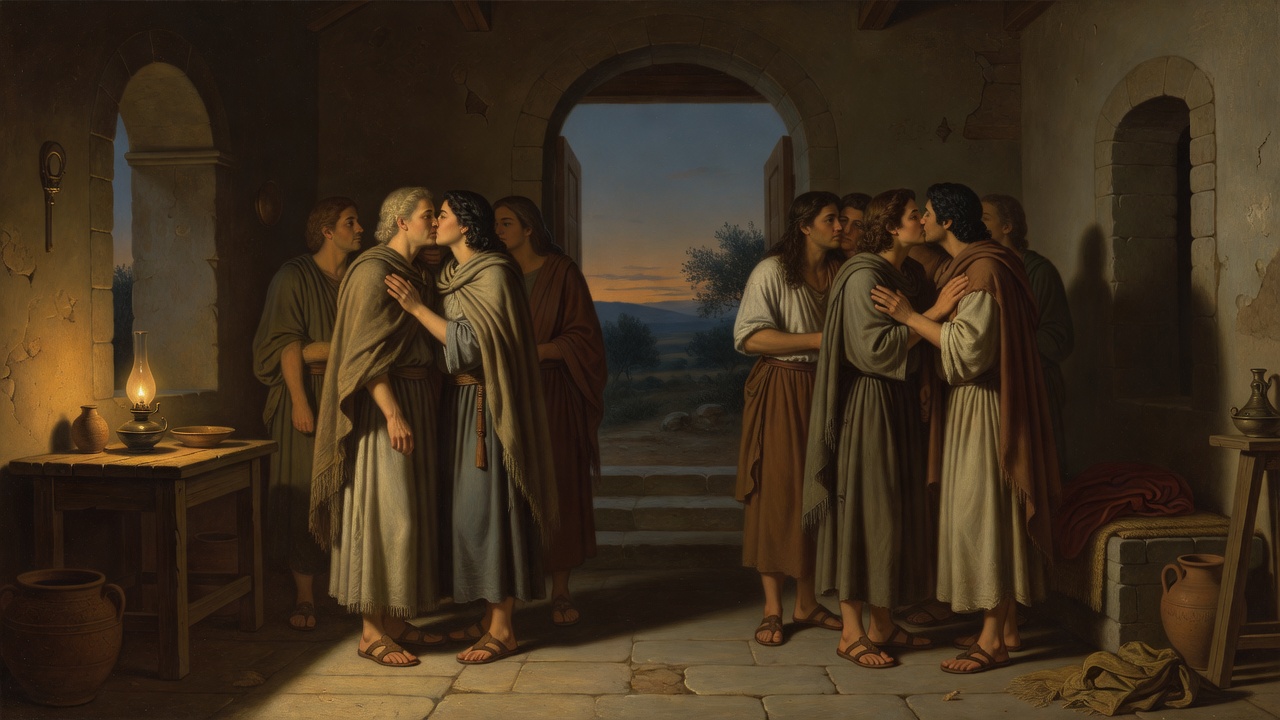
3Itó vanago venalago Akuilako Piliskako keza nene Izesu Kilistoni monó hozagú nilími vatí iaká niasive. Keí nene geké noloketuze, li kimilo. 4Kéisi nene nenikumú kugupe latila inigasimó neve. Lá asimó nene nenikumukó nomive. Numutó namató hetoka vegená Izesuni vegenala zuha miniliki vinamó kezagi keikumú mulúikú lamaná giliki kegepoka liaká niave. 5Keí numukú monokumú alegesá iaká nia vegenaki geké noloketuze, li kimilo. Asia mikasiuka ganá apí oko Kilistoni vegenala loló i ve Epainetó nigika amenou ve aikumuki geké nolotuze, li amilo. 6Maliá eza lekelikumú miluma geleko monó hoza alimó. Aí geké nolotuze, li amilo. 7Atolonikoki Zuniaki Zuta ve není zuha niasi ve kezagi nagá numukú makó minuháma neve. Keikumuki geké noloketuze, li kimilo. Keza aposolo vetini holúikú kugulizaki ve niasive, itó neza hanuva nougo keza goí iki Kilistoni izegipala lilí asimóma neve. 8Monokú noi ve Apiliatoni geké nolotuve. Nigika aitoka neze, li amilo. 9Kilistoni hozagú nelémo vatí i ve Ulupanó itó nigika amenou ve Sitaké keikumú geké noloketuze, li kimilo. 10Kilistó mogonalamú giligo lamaná i ve Apeleni geké nolotuze, li amilo. Alistopuloni numukú nia vegenakumú geké noloketuze, li kimilo. 11Zuta ve nigivéneho Helotió itó Nalisisoni gelekelé vegenala keza Guivahanímini vegenala zuha monokú nia vegenakumú geké noloketuze, li kimilo. 12Vená lositá Tilipaenaki Tiliposaki keza Guivahanímini hoza napa aliaká niasive. Itó Peasí áminámini oko Guivahanimú miluma hoza aleaká igo nigika nagata aitoka neve. Keikumú geké noloketuze, lo kimilo. 13Lupú eza Guivahanímini vegenala zuhagutí iteko mina ve, itó izolaho nelémo vatí ike izóneho loló imó. Keikumú geké noloketuze, li kimilo. 14Asikilitó itó Pilegon itó Helemé itó Patopá itó Helemá kezagi kigivéikinigi geké napa noloketuze, li kimilo. 15Pilologoki venala Zuliaki itó Neleó itó atolaho Olipá itó monokú ve vená mukí kezagi makó niamó keikumuki geké noloketuze, li kimilo. 16Lekeza nene monokú eza aputá viziko eza aputá viziko iki minalo. Kilistoni vegenala zuha numutó namató mini-liki vinamó nenete geketini nilave.
Gakó loketo asú imó
17Nigivénegita, lekelémo mómoká uke lakagata aleko láa loko noluve. Likilími gopa napa iaká nia vegenakumú gizapa ilo. Keza hizi hoú lita gakó ali utó iki monokú vita gapo hizi lí iake monó lainim-oleketunimó nene pelevesava ziaká niamó nenazo, lekemegesa kimilo. 18Vegená nenémináa nenete Guivahanite Kilistoni gelekelé itamake, kezáini kugupémo amu hili netá gelekelé nitake, kigika kagata gopa i vegená giminikú miliki kilími gopa niago, gakó lamaná nilahe lago, kogoka kagaka viziaká niave. 19Lekeza monó gili aliaká niamómámini gakoláa numutó namató vokave. Lá okago, neza lekelikumú gelekuke nogoliza novizuve. Lá noumóza, imanémini iki minatave loko noguluve: Netá lamanakumú gili vevesiki gili minalo. Netá golesamú giliko gena ino. 20Lá itamó nene Ómasi hulu amelaho áisi nene mini hána amiko Satani nene likigisa heumauka zeko lana inogo ive. Guivahanite Izesu Kilistoni nasahilí lekelitoka minino.
21Hamó hoza aleaká nousi ve Timotí itó Zuta ve nigivénege Lukió Zasó Sosipaté kezagi geké nililikitave. 22Neza Teletiona pepa imane Pauló lo neme neme noigo luhuva gizo nolukumu vémina áminagó oko Guivahanímini avogisaló lekelikumú geké nololeketuve. 23Gaió eza nasahilí onimiaká noigo, nezagi itó Ómasímini vegenala zuhagi aí numukú alegesá oko monó loaká noune. Eza geké nololeketave. Elastó nene kansoletini moniló gizapa oaká ve itó ligiveteho Kuatoki ámináminiki geketini nilasive.
Ómasi agepoka like gizo asú imó
25Izesu Kilistoni gakó li utó iki li likimiaká niamó, itó Ómasímini asuguná gakola gozapá ká ela halá geloko voko minamó nene hámakó lelegitokó neve. 26Ámina gakó lamaná Ómasímo nigizakú molamó nene lo utó oko lo nokumuke ligikámini luhusala ale gikitoaká zámuzagi noi amelahinimú lo kemeaká nouve. Lá onoumóza, imane gamenaló Ómasímini agepagutí gakó li utó iaká a vete luhuva giziki Izesukumú lina gakó li utó ikave. Ómasi nene alévolé helisagi noi vémo lo hukonoitó nene numutó namató vegená keza gili alévolé iki Ómasi gili amitave loko ámina monó gatoko lo kemeaká noune. 27Izesu Kilistó lelémo vatí noiko Ómasi ezáagó gele vevesoko noi ve sigaga sagaga loko agepoka loko mino lúaló moloko minatune. Lamaná.
Did you know?
Greetings to the church in Rome
- Paul commends Phoebe, a servant of the church in Cenchrea, and asks the recipients in Rome to welcome her and help her with whatever she needs, because she has been a great help to many people, including him. Cenchrea was the eastern harbor of Corinth, about nine miles east of the city and the outlet for its trade with the Asiatic shores of the Mediterranean; Easton's Bible Dictionary (1897) says she was probably the bearer of this letter.Sources: the Bible text itself · Phebe · Cenchreae
- Paul greets Prisca and Aquila, his fellow workers in Christ Jesus, who risked their lives for him, and also the church that meets in their house; he says that not only he but all the churches of the Gentiles are grateful to them. Easton's Bible Dictionary (1897) calls her Priscilla and describes Aquila as a tent-maker from Pontus who, with his wife, left Rome because of a decree of Claudius in A.D. 50 commanding all Jews to leave the city; her name sometimes comes before his, as it does here.Sources: the Bible text itself · Priscilla · Aquila
- Near the close, Tertius, who wrote the letter down, adds his own greeting. Gaius, who has hosted Paul and all the church, also sends greetings, as do Erastus, the city treasurer, and Quartus.Sources: the Bible text itself
Notes written with AI assistance from open sources (Theographic Bible Metadata, CC BY-SA 4.0; Easton’s Bible Dictionary, public domain) and reviewed before publishing.
Places in this chapter
Only places identified with high confidence are shown (90% or more according to the scholarly sources compiled by OpenBible). Period map: DARE (Digital Atlas of the Roman Empire), CC BY 4.0; modern map: © OpenStreetMap contributors; places: OpenBible.info (CC BY 4.0).
Credits and license for this translation
Monoq Gotola Gosohaq
The New Testament in the Alekano (Gahuku) Language of Papua New Guinea
Nupela Testamen long tokples Alekano (Gahuku) long Niugini
Copyright © 1973, 1986 Bible Society of Papua New Guinea
Language: Alekano (Gahuku) (Alekano or Gahuku)
Translation by: Wycliffe Bible Translators
This translation is made available to you under the terms of the
Creative Commons Attribution-Noncommercial-No Derivatives license 4.0.
You may share and redistribute this Bible translation or extracts from it in any format, provided that:
You include the above copyright and source information.
You do not sell this work for a profit.
You do not change any of the words or punctuation of the Scriptures.
Pictures included with Scriptures and other documents on this site are licensed just for use with those Scriptures and documents.
For other uses, please contact the respective copyright owners.
2015-01-02
Source: http://png.bible/gah/ · eBible.org