Acts 24
Monoq Gotola Gosohaq · Tap a verse to see its cross-references.
Pauloni goní itamó
1Numuni ligizani lugaloka asú igo akiake, guguni giziaká vetini ve napa Ananiá ezagi monó gizapa ve lugáagi vegená mukilitini kegepa aleko loaká ve agulizá Telutulómagi Sisalia numutoka lememó. Limiki kiapetoka Pauloni goní itata gakó linigi vi anitemó. 2Anitikago, kiapé eza Pauloni sele lokago, okago, Telutuló nene goní otake láa loko limó: Kiapetega Peliki, geza vatí oko gizapa oletako, nonagá oko minoaká noune. Imane nouni ve lelí lelémo vatí oaká noako, 3numutó namató vegená mukí lélisi geikumú gelekuko, etoaká noive. 4Gakó hána lokugo goselé gepelekatize, nenemú gakó lagasó lo gimitomó nene geza hulu oko gele nimitane loko noluve. 5Áimane vemú lizapaló moloaká i ve noive. Áisi Zuta ve numutó namató vegená lelémo golesa ike lova hizitave loko gala vizeko loaká noive. Lá noike, Nasalete numutotí vemámini monó liaká a vetini améipo napa noive. 6Lá noike lelí monó zagusave napa ale mumusopa zinogo noigo, aleko noune. 8Géisi gonitó alémo nomulunimó nenémini mogonáa vitagá oko gezaka loká otoko mogonáa ale utó molanogo ane. 9Loko lokago, Zuta ve keza alími vatí ake gakola hizi lé itamó.
Pauló Pelikini avogisaló ezáa mogonáamú lo kimimó
10Lá ikago, kiapé nenémo hanuva litive loko agizanitunú avevezaha o amekago, Pauló láa loko limó: Geza imane mikasiloka kiapé loló oko gizapa oletoko noako, kilisimasi mukí oko vokave. Nenemú geleneinake, gakó litove loko gena aminake linogo uve. 11Neza Zelusale numutoka Ómasi gupá ze amitove loko iteko minutotí nene gamenáa 12-así oko vonoimole. Itó geza nenemú gagata losi gelekokoma vegená imane loká oketako li giminigave. 12Neza nene monó zagusave napagú itó monó numúikú itó numuni apáikú monokumú géneka háneka loko vegená keza lova hizitakumú kelémo alitó mulugo ánigisá amave. 13Imane vete li negú managú iake gakóne nene li nigemenazo, nenémini gihiláa ma gelepizeminigave. 14Itó makó lo utó oko lo gimitoze, gelezo. Izesú veleleta gapo gosohakumú goselé kepeleaká noimóza, ámina gapoló mohona nouke avotegini Ómasi gupá ze ameaká nouve. Itó Mosé lo hukoko li gakoki Ómasímini agepagutí gakó liaká a vete giza gakoki mukí gele zageaká nouve. 15Minoko vegená lamanaki golesagi nene Ómasímo helenosakutí kelémo otinogo ive loko ve imane kezagi nezagi gele zageko noune. 16Lá unike, Ómasímini avogisaló itó vegenalitini kovogisaló nigika vihelé ahelé liko minatove loko gizapa okogó nominuve. 17Lá okuke, kilisimasi mukí nene mikasi mulaloka minokuke, vegená makolite moni ale nupa ikago Zelusale numutoka nigivénegini kimitove loko aleko umó. Okuke, guguni gizatomoláa ale etó okuke, 18monó zagusave napagú iteko nigika nugupe ale vihelé aheletoko nougo, ánigamó. Nenegú vegená mulusigú minoaká nehe itó vegená vivi vovoga loko minoaká nene nomimóza, Asia mikasigutí Zuta ve lugáa keza neneló minamó. 19Kéisi nene není lihima ániginamó netimó nene geitoka iki goní initatanazo. 20Keí kansoletini alegesató nougo, není lihima makó ániginitamó nene imane nia vete li gimitave. 21Gakó hamokó holúikú minuke lumó nenemú gili golesa ahe. Gakó napagutí láa loko lo kumumó: Heleakakutí oteaká neve loko gele zagenoukumú gonitó nilími nimilago itína nene gonitó nilími nimilago nouve loko lo kumumó neve.
Pauló nagá numukú minamó
22Láa loko lokago, kiapé Pelikí nene gosohá monolá gele hee hee lo vi ve minake, Pauloni gakó lo asú amike gohalaló ale molokago, ha minamó. Lá okago, láa lokogó lo kimimó: Ami vetini gizapa ve napa Lisiá nene Zelusalegatí lemekiko, gakotini lo asú itove. 23Loko loake, ami vema láa loko loketamó: Lekeza Pauloni gizapa itiki némini manámini itamiki agivelage iki nasahilí otatune nilikoma, géneka lamilo.
24Hoza gakó láa loko loketake, gamena luguhá minoake, Pelikí eza Zuta vená Tulusilani alémoko itike makó niasike, Pauloni sele lo amekago, eza Izesu Kilistokumú gele alévolé i mogonamú lo kimimó. 25Vevesoko oko moloko minoakakumú itó ale hee hee loko aleakakumú itó gamena napaló goní oletati gakó nenemú lo kemekago, Pelikí nene ahelele vizekago, láa loko limó: Itína mota áminasí nenazo, nagató goha voko noako, gamena makó zupa sele lokugo, atane. 26Loko lo ameake, kiapé nenémo Pauló nene asene zenetatane loko moni nimitihe loko gele molo moloko minoaká ike, gamena gamena alesa moloake, gakó ligili hagili iki miniaká asimó. 27Lá iki niasigo, kilisimasi lositá oko vokago, kiapé makó agulizá Polokió Pestó áisi Pelikini hoza agepaló alimó. Lá noigo, Pelikí eza Zuta ve mulúikú ale lamaná ike Pauló nene nagá numukú noigo, ahuloake vimó.
Did you know?
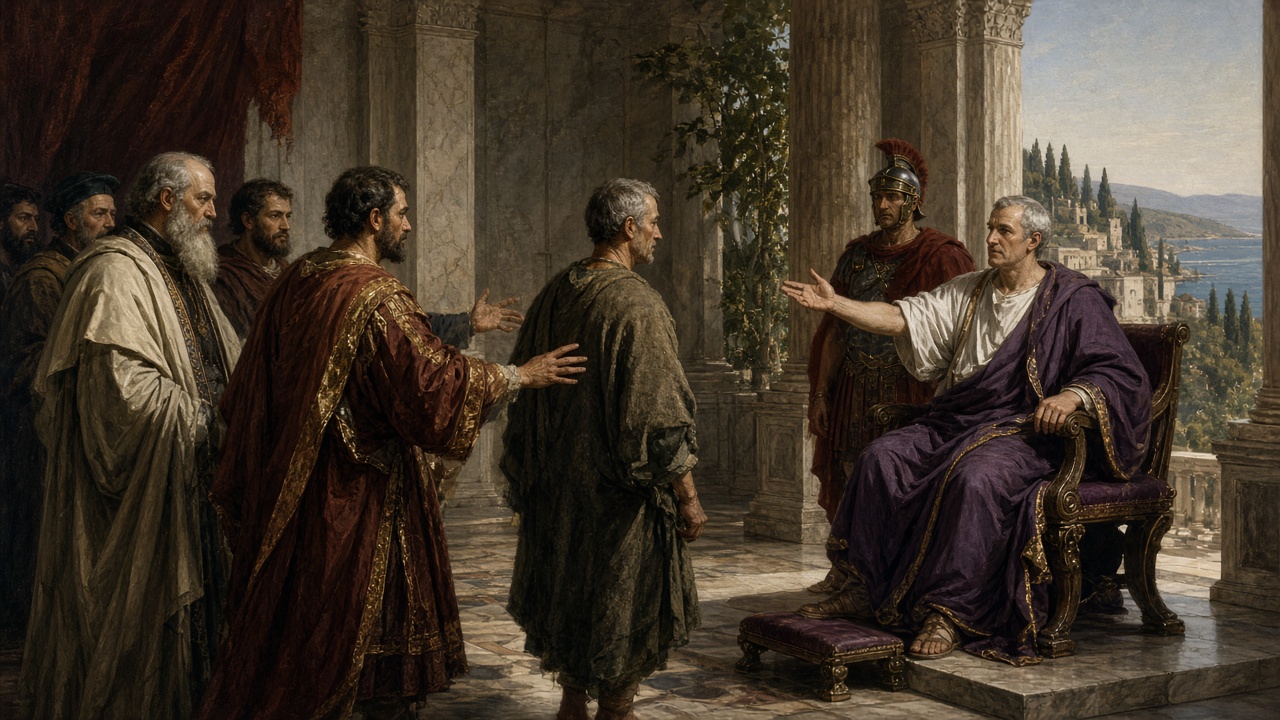
Paul before Felix
- The high priest Ananias came down with some elders and a lawyer named Tertullus, whom Easton's Bible Dictionary describes as a Roman advocate employed by the Jews to state their case against Paul before Felix. Tertullus praised the governor and then called Paul a pestilence who stirred up dissension among the Jews all over the world, a ringleader of the sect of the Nazarenes, and a man who had tried to desecrate the temple. The dictionary links that opening praise with Felix's clearing the country of bandits and impostors.Sources: the Bible text itself · Tertullus · Felix
- Felix, who was well informed about the Way, adjourned the hearing and kept Paul under guard, while allowing him some freedom and letting friends meet his needs. The account says he hoped Paul would offer a bribe and so sent for him often; Easton's Bible Dictionary likewise says he appears to have expected a bribe and therefore held several interviews with him. After two years Porcius Festus succeeded him—Easton's Bible Dictionary (1897) dates that appointment to A.D. 60—and, wishing to do the Jews a favor, Felix left Paul in prison.Sources: the Bible text itself · Felix · Portius Festus
- Several days later Felix returned with his wife Drusilla, who was Jewish, and listened as Paul spoke about faith in Christ Jesus and about righteousness, self-control, and the coming judgment; Felix became frightened and sent him away. Easton's Bible Dictionary (1897) identifies Drusilla as the third and youngest daughter of Herod Agrippa I and says Felix induced her to leave her husband, Azizus, king of Emesa. The same entry says that she and her son perished in the eruption of Mount Vesuvius in A.D. 79.Sources: the Bible text itself · Drusilla
Notes written with AI assistance from open sources (Theographic Bible Metadata, CC BY-SA 4.0; Easton’s Bible Dictionary, public domain) and reviewed before publishing.
Places in this chapter
- Caesarea · Today: Caesarea Maritima · 32.500, 34.892 · verse 1
- Jerusalem · 31.777, 35.234 · verses 11, 17
- Asia · 38.400, 28.300 · verse 18
Only places identified with high confidence are shown (90% or more according to the scholarly sources compiled by OpenBible). Period map: DARE (Digital Atlas of the Roman Empire), CC BY 4.0; modern map: © OpenStreetMap contributors; places: OpenBible.info (CC BY 4.0).
Credits and license for this translation
Monoq Gotola Gosohaq
The New Testament in the Alekano (Gahuku) Language of Papua New Guinea
Nupela Testamen long tokples Alekano (Gahuku) long Niugini
Copyright © 1973, 1986 Bible Society of Papua New Guinea
Language: Alekano (Gahuku) (Alekano or Gahuku)
Translation by: Wycliffe Bible Translators
This translation is made available to you under the terms of the
Creative Commons Attribution-Noncommercial-No Derivatives license 4.0.
You may share and redistribute this Bible translation or extracts from it in any format, provided that:
You include the above copyright and source information.
You do not sell this work for a profit.
You do not change any of the words or punctuation of the Scriptures.
Pictures included with Scriptures and other documents on this site are licensed just for use with those Scriptures and documents.
For other uses, please contact the respective copyright owners.
2015-01-02
Source: http://png.bible/gah/ · eBible.org