2 Corinthians 8
Monoq Gotola Gosohaq · Tap a verse to see its cross-references.
Monokumule loko moni ali nupa ita gakó
1Nigivénegita, Masetonia mikasiuka monó gele vegenatoka Ómasímini nasahilí nenémo gihila ale utó imó nenemú lo likimitoze, gililo. 2Keza miluma maluma nenémini agikagú minake gohogó minamó nenémo ha netá loló okago, gopa nene monolímini kogolizaváa nene itiki alinake mulúikú lamaná geleaká netá nene vegená makó kimitune liki moni ali nupa amó nene komasí nomive. 3Neza keí mogonatagana gele hee loko gelenouke nolumó nene lá oko neve: Kezáini kagata giliki vávani iake moni ali nupa amó nene kezáini moni milamó nenémini lelegitó milamake aviligiki milamó. 4Lá iake neza kagata aleko lá amugo, kezáini geleke gala vizilitake Zelusale numutoka Ómasímini vegenalatini mulúikú lamaná gilita netá ali utó miliki kilími vatí inigi moni aleko voko kimitane liki negénegeka lamó. 5Lá iake, netá lagasó inigi lahe loko noguluko ganá nene Guivahaniloka kigika mili gilitiake Ómasímo lititoka molatitoka itune liki liake lezalokagi kigika mili gilitiki minamó. 6Keza nenémini ikago, Taetasí nene ámina hoza apí i ve nene lekelitoka vooko lekeza likigika kimita hoza nenémináa ali asú itave loko gala vizunimó. 7Itó gele alévolé oakatini itó monó loakatini itó gakó mogonáa gele hee loko geleakatini itó monolímini hozavamú amuza moloakatini itó likigika lemeaká nene netá nenémináámini gihila mukí ali utó miliakeve loko ámina mulutikú lamaná geleaká hoza aliiki moni ali nupa itakumú lekeza ámina iki vávani itave loko noluve.
8Neza moni ali nupa itakumú gala vizeleketoko loleketamuve. Monó geleaká vegená lugáaloka ámina hozamú vávani ikave. Nenemú lo lekemekugo lekelí nasahililímini lelegiláa nana oko neve, nenémini mogona utó itive loko noluve. 9Lekeza Guivahanite Izesu Kilistoni nasahililamú mota giliaká niave. Eza minumuni izolaho lekelikumule loko gohogó ve loló imó nene lekeza áminatunú monokú minumunavagi lilí itave loko nenémini imó nenazo, Izesuni agizaka hiziki mihina itave loko noluve. 10Itó gakó makó láa loko nogulumó nene lo lekemekugo, gili alikiko, gihila utó itize. Lekeza nene litaha meleketó lekezatini litá iki moni ale nupa itune liki liake vávani iki ámina hoza apí inamóma nene itína ámina lelegitó ali asú itamó nene lamaná inogo ive. 11Nenemú vávani iki apí amómáminiki miní amiki aliliki niviki vávani iki ali lutigitamó nenémini gihiláa nene moni milinita lelegitó ali utó milalo. 12Mulutikú lamaná giliki moni milatamó nene Ómasímo gelekiko lamaná inogo ive. Leza molonamuni lelegitó negopa, netá molunouni lelegitó molokuko Ómasímo ánigago lamaná oaká noive loko noluve. 13Lugáate mulúikú lamaná gilitave loko moni ale nupa oakakumú nene lekeza mikasi lukugupegi miniki lukugupeló gilitave loko nomive. 14Lekelí minumunímo itínasa gamena nene keí gohogó amiselekiko, netá matáini nomi vegenalite netá makokumú vitagá amitave. Itó minoko gamena makó zupahé keí minumunímo lekelitoka gaúna gamena amisilitive. Lá okiko nene kezagi lekezagi hamó lelegitó mini miliki minatave. 15Gona miliki kimimi vakumú nene monó gotolaú gakó lá oko nemóma neve:
Mukí netá gizaká a vegenalitini minumuníini napa nomimó neve.
Itó lagasó ali nupa amoláate gaúna helemamóma neve.
Taetasige monó moni aliki vita gakó
16Ómasi eza lekelémo vatí itikumú nene Taetasini alémo zaú okago, lekelikumú nagata geleaká umó ámina avevezahaló aitoka utó okago, Ómasi agepoka loaká nouve. 17Neza lo amekugo geleneive loko nomive. Ezáa agikámo vávani o lamaná okago núane lekelitoka vinogo ive. 18Guivahanímini vegenala zuha mukitoka keza Izesuni gakó lamanakumule loko hoza aleaká noi vemú gili lamaná iki giliaká nia ve ezagi makó amiselekugo núane nivasive. 19Itó ámina vémini gakola makó lá oko neve: Guivahanímini vegená keza ámina ve nene mulúikú lamaná gilitave loko ali nupa ina moni aleko novuko, neneló kelémo vatí iko, makó vitave liki alími etó amó. Ámina hoza nene Guivahanímini agulizá otitive loko, itó mulutegú vávani igo hoza nalunimó nenémini mogona utó itive loko alinogo noune. 20Nenemú gopa gakó makó utó okative loko sipisi moni nene legesó iki gizapa itave loko kimiselekugo nivasive. 21Lá nounimó nene leza netá loló okuko Guivahanímo ezagó gelekiko lamaná itive loko negopa, mukí vegenalite gilikiko lamaná itive lokogi nalune.
22Neza nene ámina ve lositaki itó ligive makoki nene kimiselekugo núane nivaze. Ámina ve eza nene mukí zupa gimivagú moloko ánigokuko vegená kelémo vatí itikumú amuza moloakalímini mogonáa utó okave. Áisi nene lekelikumú giligo, alévolé okago, amuza napa nomolave. 23Itó Taetasini mogonamú gilitune liki nilikoma, lekelikumule loko ezagi nezagi hoza aleaká ve losi nene nousive. Itó Taetasigegi makó nivasi vetini mogonáinimú gilitune liki nilikoma, keza monó gele vegenáini zuha nenete kimisilikago núane nivasive. Itó keza Kilistoni lapaná ali utó iaká nia ve niasive. 24Neza lekelémo napa oko lo nokumumó nenémini gihiláa utó itive liki lekeza ámina ve nene viki anitikiko nasahilí ikimikiko, monó gilina vegená lugáa numutó numutó keza gili guni itave.
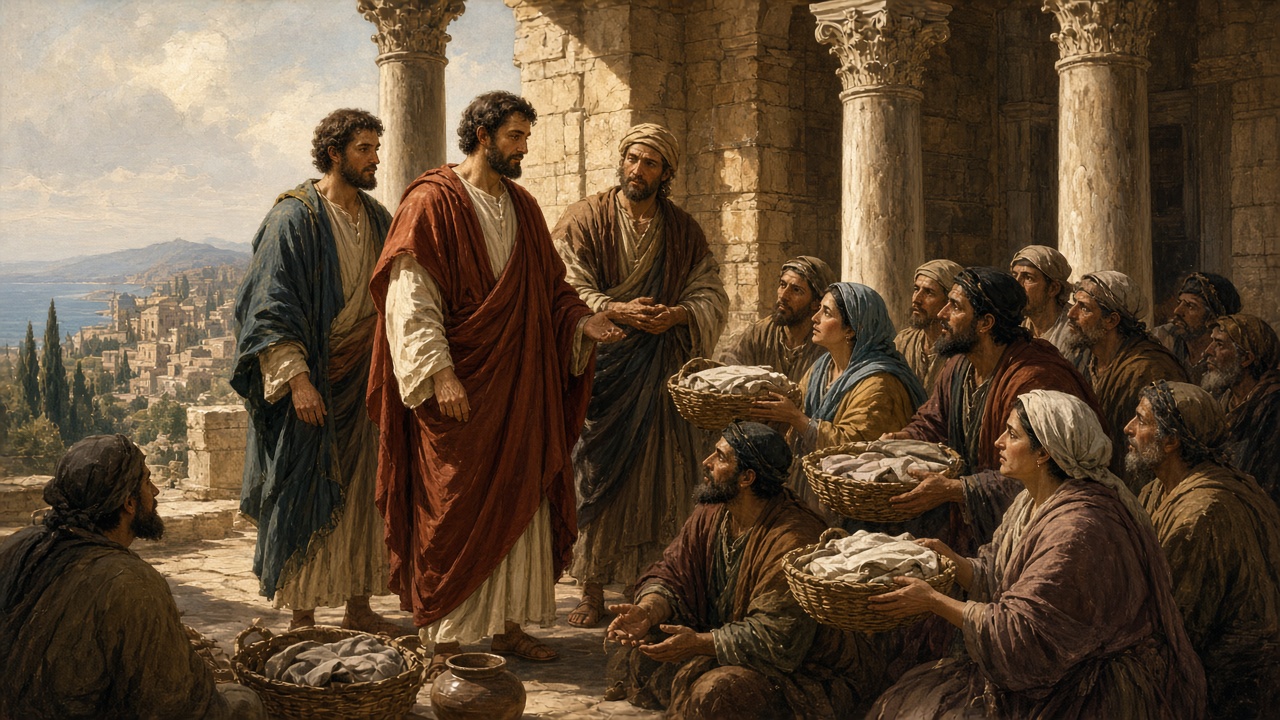
Did you know?
Generosity and the Jerusalem Collection
- In New Testament times Macedonia was a Roman province north of Greece. Paul was summoned by the vision of a man of Macedonia to preach the gospel there, and this chapter tells the Corinthians how those churches, in a terrible ordeal and deep poverty, gave joyfully and even beyond their ability.Sources: Macedonia · the Bible text itself
- Titus, whose name nowhere occurs in Acts, appears to have been a Gentile chiefly engaged in ministering to Gentiles. From Ephesus, Paul sent him to Corinth to forward the church's contributions for the poor saints at Jerusalem; in this chapter Paul urges him to complete that work, and Titus is coming eagerly of his own accord.Sources: Titus · the Bible text itself
- Along with Titus, Paul is sending a brother praised by all the churches for his work in the gospel and chosen by them to accompany the offering, and another brother whose earnestness has been proven many times and in many ways. He explains that this care is meant to avoid criticism of how the generous gift is administered, so that they do what is right not only in the eyes of the Lord but also in the eyes of other people.Sources: the Bible text itself
Notes written with AI assistance from open sources (Theographic Bible Metadata, CC BY-SA 4.0; Easton’s Bible Dictionary, public domain) and reviewed before publishing.
Places in this chapter
Only places identified with high confidence are shown (90% or more according to the scholarly sources compiled by OpenBible). Period map: DARE (Digital Atlas of the Roman Empire), CC BY 4.0; modern map: © OpenStreetMap contributors; places: OpenBible.info (CC BY 4.0).
Credits and license for this translation
Monoq Gotola Gosohaq
The New Testament in the Alekano (Gahuku) Language of Papua New Guinea
Nupela Testamen long tokples Alekano (Gahuku) long Niugini
Copyright © 1973, 1986 Bible Society of Papua New Guinea
Language: Alekano (Gahuku) (Alekano or Gahuku)
Translation by: Wycliffe Bible Translators
This translation is made available to you under the terms of the
Creative Commons Attribution-Noncommercial-No Derivatives license 4.0.
You may share and redistribute this Bible translation or extracts from it in any format, provided that:
You include the above copyright and source information.
You do not sell this work for a profit.
You do not change any of the words or punctuation of the Scriptures.
Pictures included with Scriptures and other documents on this site are licensed just for use with those Scriptures and documents.
For other uses, please contact the respective copyright owners.
2015-01-02
Source: http://png.bible/gah/ · eBible.org