1 Timothy 4
Monoq Gotola Gosohaq · Tap a verse to see its cross-references.
Sozaló monó ve alika utó itakumú limó
1Sikalahulímo lo utó oko láa loko loaká noive: Minomo noiteko alikaloka ve lugáate monó ahuliiki kilími gopa napa iaká nia holositini gakó gili alinigave. Itó ámina holositini soza saza gakotó viki gímizitave. 2Ámina soza sazaló ve nenete kigikámini gakola gili ahuliaká niago mota lí okagove liki vegená kogoka vizeke láa liki li kimiaká niave: 3Vená alemiki gohuna minalo, itó nosánetá lugáa namiki mosiaká ilo liki liaká niave. Ámina nosá nene Ómasímo gili alévolé iki minata vegenalite itó aí gakó gihila gili zagita vegenalite agepoka liki hanuva natave loko ale utó imóma neve. 4Ómasilokatí utó onoi netá nene lamanakó neve. Nenemú nene agepoka loko ámina nosánetá aleko noaká noune. Nenemú moseakaláa nomive. 5Ómasímo ezáa gakoláamule loko itó agepoka loko noaká nounikumule loko lusa genei netá nenazo, óe loko lonoi netá nomive.
Kilistoni gelekelé veva lamaná minoaká gakó
6Gele alévolé oaká nouni gakó itó monó gakó gihilaló voko gímizenimó nenémo gigikámini nosánetá loló oko noiko, geza nene monó gele vegená gakó imane lo nogumumóma nene lo kemeko kelémo lamaná itanimó nene, Izesu Kilistoni gelekelé izegipala lamaná minanogo ane. 7Gitene gakokú monola nomive. Nene gakó gemegesa amezo. Geza nene monokú voko gele alévolé oko oko moloko itove loko, gigika alémo vávani oaká hoza alezo. 8Lugupe ale vávani oaká hoza nenémo lamaná otigí nemóza, monó gakokumú ligika alémo vávani oaká nenémo itína gamenaló nemó alika gamenaló nemó Ómasilokatí alévolé lemetameni lehizeletati netá nenazo, nene gihila lamaná neve. 9Nenémo gihila nenazo, vegená mukitoka nenémini gihila ali lá itave loko amuza moloko hozaváa alitune. 10Ómasi eza numutó namató vegená mukitó kugutó viziti ve noimóza, keikutí gele alévolé unimoláa lamaná lugutó vizeaká noi ve noinazo, nenemú Ómasi alévolé ve atikumú lagata losi gelemoko ageva oaká nounimómave loko miluma hoza lumupiló itekago hoza napa aleaká noune.
11Gakó mukí lo nogumumó nene gili alitave loko monoka gele vegená lainim-oketozo. 12Géisi nene izegipa gosohá ve noane liki vegenalite geikumú giliko lememino. Geza gele alévolé o minoko gigika gizopa lo miniko, gigika kemekoko oko moloko itanitímo itó monó litanitímo gili alévolé a vegená gapo kelepizeko geí gémegetatave loko lá itanize. 13Monó gotolaú gakó gato kemeaká hoza itó monó mogona lo utó oaká hoza itó monó lainim-okimiaká hoza nene hozaló gigika ame gikitoko amezo. 14Goí oko nene monó olotiva vete kigizani nene gotokaló miliki lusa nigitiki Ómasímini agepagutí gakó makó geikumú linató nene Sikalahulímo monolímini zámuza lehizegetamó nenémini gihiláa gopa okatize, alévolé oko gizapa oko minozo.
15Vegená mukilite monokú oko moloko anitímo napa omo novimó nene ánigikiko, laga kivisitive loko, nénisi lo nogumu gakó nene gigika molo gikitoko ale minozo. 16Gezaka gugupe gizapa oko itó monó lo kimitani gakó avasavagi gizapa oko gakó lo gumumó nene alévolé oko ale minozo. Lá itanimó nene, gezagi geí gakó giliaká nia vegenaki alévolé apá alinigave.
Did you know?
False Teaching and Godly Training
- The chapter says the Spirit expressly states that in later times some will abandon the faith to follow deceitful spirits and the teachings of demons. They are influenced by the hypocrisy of liars whose consciences are seared with a hot iron, and they will prohibit marriage and require abstinence from certain foods.Sources: the Bible text itself
- The letter answers those demands by saying God created such foods to be received with thanksgiving by those who believe and know the truth. Every creation of God is good, and nothing received with thanksgiving should be rejected, because it is sanctified by the word of God and prayer.Sources: the Bible text itself
- The writer urges the young person he addresses not to let anyone despise his youth, but to set an example in speech, conduct, love, faith, and purity. Until the writer comes, he is to devote himself to the public reading of Scripture, to exhortation, and to teaching, and not neglect the gift given through prophecy when the elders laid hands on him. Physical exercise, the letter adds, is of limited value, while godliness is valuable in every way, holding promise for the present life and the life to come, a saying the letter calls trustworthy and worthy of full acceptance.Sources: the Bible text itself
Notes written with AI assistance from open sources (Theographic Bible Metadata, CC BY-SA 4.0; Easton’s Bible Dictionary, public domain) and reviewed before publishing.
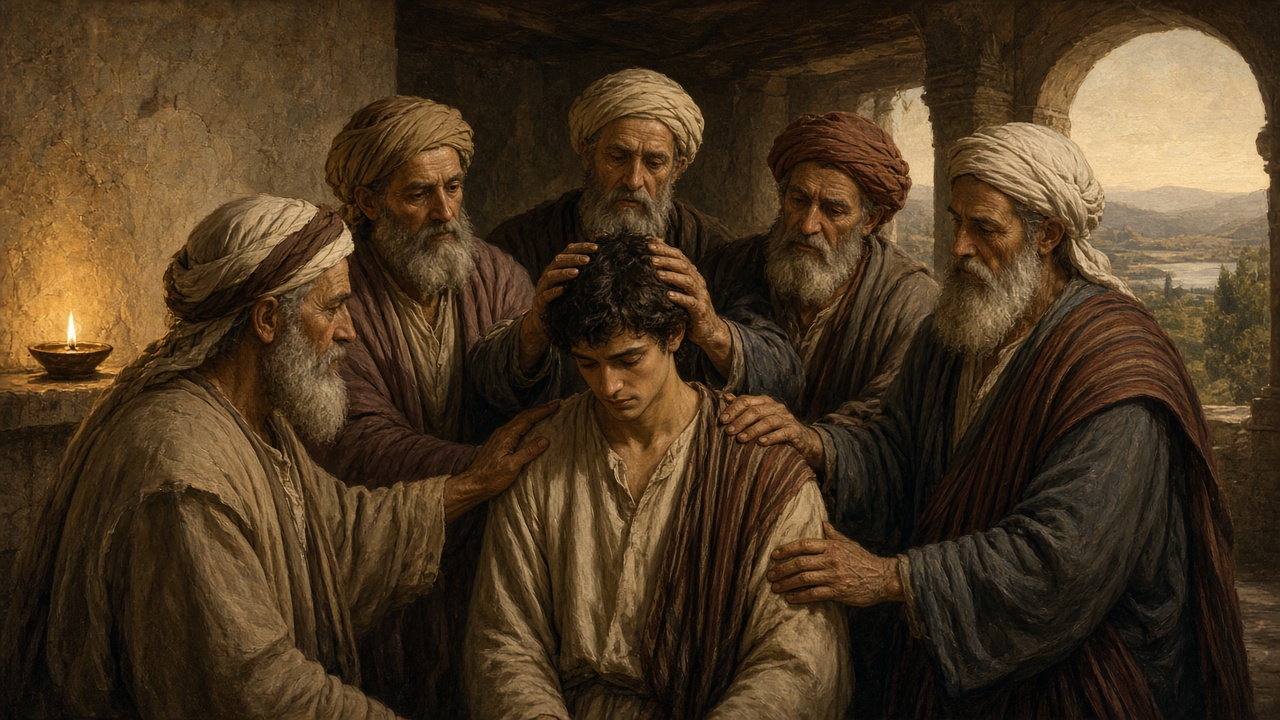
Credits and license for this translation
Monoq Gotola Gosohaq
The New Testament in the Alekano (Gahuku) Language of Papua New Guinea
Nupela Testamen long tokples Alekano (Gahuku) long Niugini
Copyright © 1973, 1986 Bible Society of Papua New Guinea
Language: Alekano (Gahuku) (Alekano or Gahuku)
Translation by: Wycliffe Bible Translators
This translation is made available to you under the terms of the
Creative Commons Attribution-Noncommercial-No Derivatives license 4.0.
You may share and redistribute this Bible translation or extracts from it in any format, provided that:
You include the above copyright and source information.
You do not sell this work for a profit.
You do not change any of the words or punctuation of the Scriptures.
Pictures included with Scriptures and other documents on this site are licensed just for use with those Scriptures and documents.
For other uses, please contact the respective copyright owners.
2015-01-02
Source: http://png.bible/gah/ · eBible.org