1 Timothy 2
Monoq Gotola Gosohaq · Tap a verse to see its cross-references.
Ómasiloka lituni gakó
1Gakó imane goí oko iteko alévolé itive loko neza gagata aleko noluve. Lekeza vegená mukikumú voká voká liki Ómasiloka liki eza hize lé oketative liki keikumú Ómasi agepoka liki minatave loko nologetuve. 2Itó lekeza legesó iki hulu iki monokú lamaná iki minikiko, vegená nenete nemú manamú giliko lamaná itive liki kugulizaki ve napamú itó mukí gizapa vegenakumú Ómasímo hize lé oketative liki numuna hoza alilo. 3Nenémo lamaná inogo ive. Itó lugutó vizeaká Ómasi eza nenemú giligo etoaká noive. 4Eza nene vegená mukitoka kugutó vizitove loko itó gakó gihila ali lá itave loko geleaká noive. 5Ómasi hamokó noive, itó Ómasi leza vegenaki agata helega helega nouko ve hamokó Izesu Kilistó holutegú ve loló i ve nene 6vegená mukitoka lihimate meina hizeko gologí oletatove loko minoko aleko imoláa nene ahulamó. Ómasímo nenémini itove loko ezáa mola gamena nene alitokago vegená mukitoka kugutó vizitove loko nogilimó nenémini avevezahaváa utó okago gelekune. 7Ámina gakó lo utó oaká ve itó aposolo loló itane loko Ómasímo nelémo etó okago nouve. Zuta ve minamamolaloka gakó gihila gele alévolé oaká gakó mogona lainim-oketatane loko nelémo etó okave. Nene soza lamuve. Lamaná noluve.
8Nenemú numutó namató monó gilina vegená keza kizapaló moloko itó lova leta lava leta nomitimó kigika gizopa lo miniko kigizani ali otiki numuna litave loko noluve. 9Itó vená keza gineganéini ali lamaná iki luhiiki ali hita hita iki mihina itave loko noluve. Itó ve kumu hilitune liki gotóini zopova haitopaitó gonanalisi amitave. Gonanalisi netá golivagi itó luhoaká gó luhuvagi nene luhamitamó neve. 10Monó gilina vená nenete etati lelegitó minatamómámini iki lamaná iki iki miliki itatímo gineganéini loló ino. 11Vená keza legesó iki limiki miniki kagata gili vevesi miniki gakó gilitaze. 12Vená neneta monó tisa lilí itamope itó ve kivilegeko gizapa oketatune litamope nenemú gele kemesá amuve. Monó litakú nene keza gakó lamiki legesó iki minataze. 13Lá itakumú nene Atani nene goí oko alémo utó okago Evani nene alika alémo utó imó. 14Itó Atani nene Satá gimivagú molamimó neve. Evani nene gimivagú molokago, gele ameake pelevesava ale utó ikumú noluve. 15Lá okamóza, vená keza monó gili alévolé itamó itó vegená makó kigika kimitamó itó kigika gizopagi minatamó nenémini agikagú miní amiki némini manámini osá nene netá golesa okatune liki kugupe gizapa iki minatamó nene, izegipa nigetiko Ómasímo kugutó vizinogo ive.
Did you know?
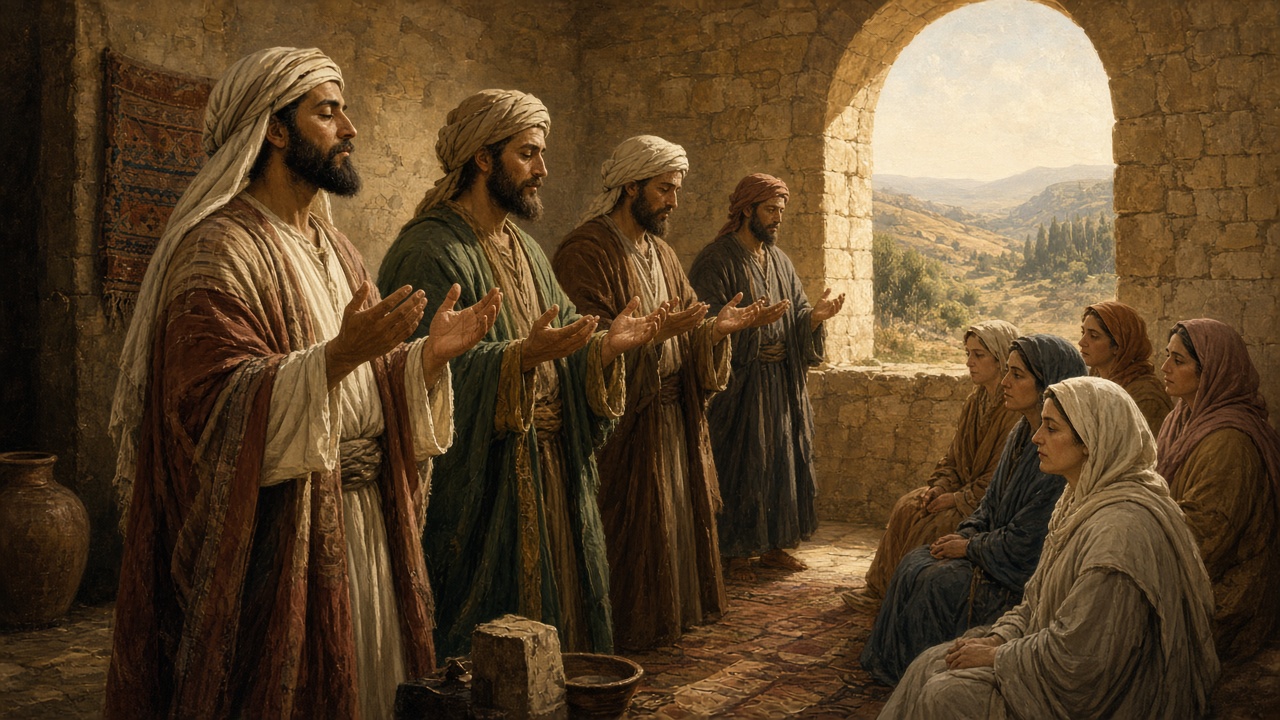
Prayer, modest worship, and Adam and Eve
- This chapter urges that petitions, prayers, intercessions, and thanksgiving be offered for everyone, including kings and all those in authority, so that believers may lead tranquil and quiet lives in all godliness and dignity. It also says there is one God and one mediator between God and men, the man Christ Jesus, who gave himself as a ransom for all.Sources: the Bible text itself
- When the letter says that Adam was formed first, and then Eve, it appeals to the first man of Genesis. Easton's Bible Dictionary (1897) explains that Adam is a Babylonian word meaning 'red,' the generic name for man, with the same meaning in Hebrew and Assyrian, and that he was formed from the dust of the earth.Sources: the Bible text itself · Adam
- The letter says it was not Adam who was deceived, but the woman, who was deceived and fell into transgression. Easton's Bible Dictionary (1897) says Eve means 'life' or 'living,' the name Adam gave his wife, and that the account of her creation is given in Genesis 2:21-22.Sources: the Bible text itself · Eve
Notes written with AI assistance from open sources (Theographic Bible Metadata, CC BY-SA 4.0; Easton’s Bible Dictionary, public domain) and reviewed before publishing.
Credits and license for this translation
Monoq Gotola Gosohaq
The New Testament in the Alekano (Gahuku) Language of Papua New Guinea
Nupela Testamen long tokples Alekano (Gahuku) long Niugini
Copyright © 1973, 1986 Bible Society of Papua New Guinea
Language: Alekano (Gahuku) (Alekano or Gahuku)
Translation by: Wycliffe Bible Translators
This translation is made available to you under the terms of the
Creative Commons Attribution-Noncommercial-No Derivatives license 4.0.
You may share and redistribute this Bible translation or extracts from it in any format, provided that:
You include the above copyright and source information.
You do not sell this work for a profit.
You do not change any of the words or punctuation of the Scriptures.
Pictures included with Scriptures and other documents on this site are licensed just for use with those Scriptures and documents.
For other uses, please contact the respective copyright owners.
2015-01-02
Source: http://png.bible/gah/ · eBible.org