Matthew 12
Alkawal Kesal · Tap a verse to see its cross-references.
Ƴanɗe dow nyalaane siwteteene
1Wakkati mum, Yeesu e aahiiɓe mum e falta caka gese alkamaari nyalaane siwteteene, go aahiiɓe makko rafo waɗi ɗum, yanti e wooca cammeeje e ƴakka. 2No Farisaaɓe yi'i ɗum, wi'i mo: «Daaru, aahiiɓe maa e waɗa ko haanay waɗeego nyalaane siwteteene!» 3O toontii ɓe, o wi'i: «E gooŋa on janŋay ko Dawda waɗi no rafo waɗi ɗum, e himɓe mum na? 4O naati der suudu Alla, e himɓe makko, ɓe ƴakki peen cakkanaako Alla. Baa no kanko e himɓe makko ɓe goodaa laawol ƴakkugo ko. Limaamiiɓe tan nun woodi laawol ƴakkugo ko. 5Naa, on janŋay der tawreeta Muusa, no limaamiiɓe gollotooɓe der suudu Alla waɗiri ko haanaa der nyalaane siwteteene? Amma e nun fu ɓe gaccaaka. 6Mii wi'a on e gooŋa, ɓurɗo suudu Alla mawnugo nun woni ɗo. 7To on paamiino ko haala Alla kaa ɗo fillitii: ‟Yurmeene jiɗumi, hinaa sadakaaji kiiseteeɗi”, on kiitataakono himɓe ɓe walaa gacce.» 8Gam Ɓii neɗɗo nun laatii Joomiraawo nyalaane siwteteene.»
Yeesu nyawtii gorko mo junŋo waatuŋo
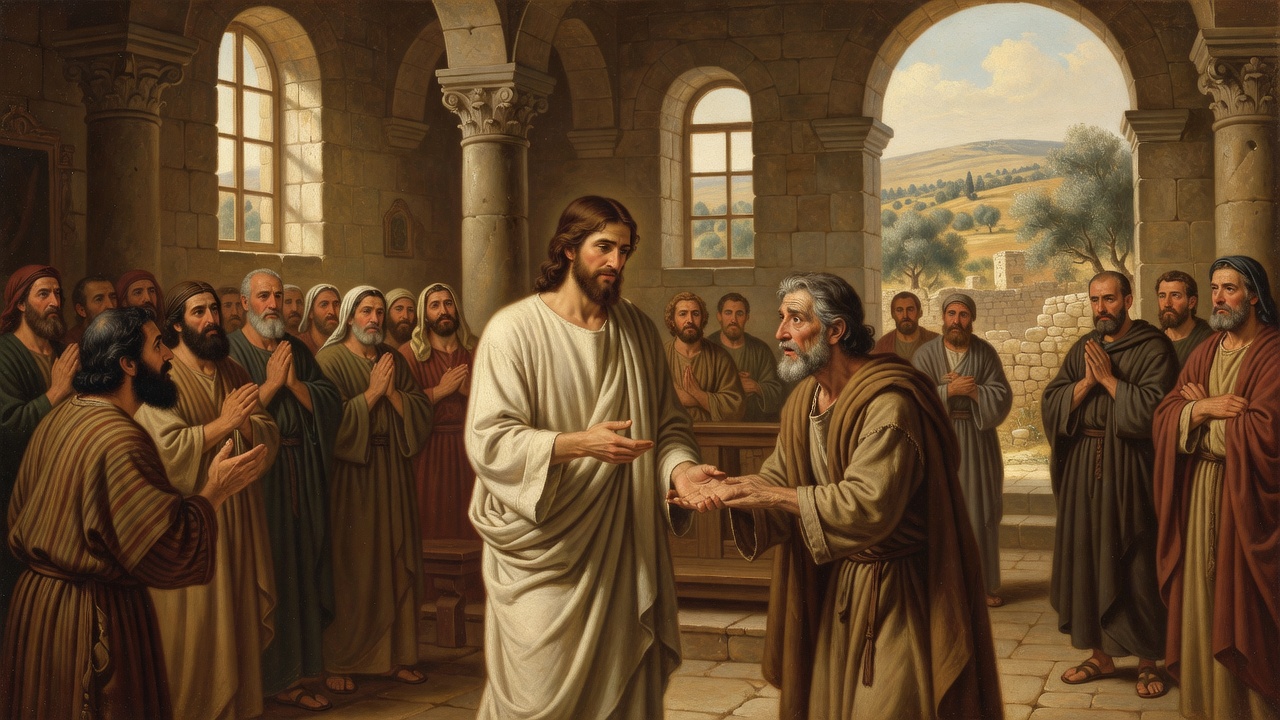
9Yeesu yawti diga ɗon, yahi der suudu waajorde maɓɓe. 10Gorko mo junŋo waatuŋo gom e tawaa ɗon, go tawaaɓe ɗon ƴami mo ƴanɗe ɗee ɗo, gam heɓa no gaccorii mo, wi'i: «Laawol hokkii nyawtiigu waɗee nyalaane siwteteene na?» 11O toontii ɓe, o wi'i: «To goɗɗo mooɗon e woodi baalel mum, go nyalaane siwteteene ŋel yanti der ɓunnu, joomum suttoytaa ŋel na? 12Neɗɗo e ɓuri baala faa to woɗɗi! To non, laawol hokki ko wooɗi waɗee der nyalaane siwteteene.» 13Den, o wi'i gorko on: «Foortu junŋo maa!»
O foorti ŋo, ŋo yoofii hande no ŋoo to. 14Farisaaɓe wurtii, yahi dawraa dow no ɓe kalkirta Yeesu.
Annabaaku Esaaya hebbii
15No Yeesu nani ka, yawti diga nokkuure nen, himɓe ɗuuɓɓe e tokki mo. O nyawti nyawɓe fu. 16Den o waggini ɓe, to ɓe batu goɗɗo moy nun o laatii. 17Ɗum laatike non gam haala annabi Esaaya hebba, ka o wi'i:
18«Nani gollotooɗo am mo cuɓumi.
Kanko woni jiɗaaɗo am, mo ceyoriimi.
Mi jippinan Ruuhu am dow makko,
o fiinan habaru foonnitaare dow lenyi fu.
19O yeddontirtaa e goɗɗo, o falmataa goɗɗo,
daane makko nanataake e laabi.
20O heltataa ƴommal turiiŋal,
o nyifataa fitilleel cuurtoowel,
faa nyalaane o hokki foonnitaare jaalorgal.
21Lenyi fu yowan hoolaare mum dow makko.»
Yeesu e toontoo ka ɓe gaccorii ɗum
22Den, Yeesu waddanaa gorko bumɗo muumiɗinɗo, mo ginnool woni e mum. O nyawti mo faa muumo on e bata, e yi'a bo. 23Haynaare nanŋi himɓe fu, ko ɓee bi'a: «Hinaa kanko woni Ɓii Dawda na?»
24Amma no Farisaaɓe nani ka, yanti e wi'a: «E baawɗe ‟Beljebul” hooreejo ginnaaji nun o riiwirta ɗi.» 25No Yeesu e anni miilooji maɓɓe, o wi'i ɓe: «Laamaare fu to seennirake e haɓa hoore mum, ne halkan. Ɗum bo to siire gom, maa bo wuro gom seennirii e haɓa hoore mum, ŋo wonataako. 26To Seyɗan seennirake e riiwa Seyɗan, den noy laamaare makko wonortoo? 27To laatike e baawɗe ‟Beljebul” nun diiwiranmi ginnaaji, ɓiɓɓe mooɗon bo na, e baawɗe moy ɓe diiwirta ɗi? Gam majjum, kamɓe e ko'e maɓɓe nun laatoytoo hiitotooɓe on! 28Amma to e Ruuhu Alla nun diiwiranmi ginnaaji, eɗum holla no Laamaare Alla warii faa to mooɗon.
29Naa moy waawata ko naati wuro gorko semmenteejo, teeta jawdi makko, to o haɓɓay joomum taw. Amma to o haɓɓii mo, o waawan ko wuuwi ko woni der wuro ŋon fu. 30Mo wonday e am fu, ganyo am nun. Mo wallay am hawritingo, sankitan nun. 31Gam majjum, mii wi'a on: himɓe heɓan yaafuye hakkeeji mum, e kalluka ka ɓe bati. Amma batuɗo kalluka dow Ruuhu Ceniiɗo, yaafataake pay. 32Batuɗo kalluka dow Ɓii neɗɗo fu, heɓan yaafeego. Amma batuɗo kalluka dow Ruuhu Ceniiɗo, yaafataake der jaamanuuru nuu ɗo, e der jaamanuuru warannu.»
Leggal annitirte nun diga e ɓiɓɓe mum
33«To leggal e wooɗi, ɓiɓɓe maggal bo wooɗan. To leggal wooɗaa, ɓiɓɓe maggal bo wooɗataa, gam leggal fu, diga e ɓiɓɓe mum nun annitirtee. 34Ɓiɓɓe bolle pure! Noy baawirton batugo booɗuka, onon laatiiɓe halluɓe? Gam ko hebbi der ɓerne, kan nun hunnuko wurtinta. 35Neɗɗo geeto, wurtinan ko wooɗi diga booɗɗum ko suuɗii der ɓerne mum. Neɗɗo kalluɗo bo, wurtinan ko halli diga kalluɗum cuuɗiiɗum der ɓerne mum. 36E gooŋa bi'anmi on: nyalaane darŋal himɓe toontoyto haalaaji baanji baanji ɗi ɓe bati fu. 37Gam moy fu, haala mum nun wurtinta ɗum, ɗum bo ka doƴƴa ɗum kiita.»
Farisaaɓe e daarta Yeesu waɗana ɗum kaayeefi
38Ɓaawo majjum, woɓɓe der moodiɓɓe tawreeta e Farisaaɓe, wi'i Yeesu: «Moodibbo, emen jiɗi gaɗanaa men kaayeefi.»
39O toontii ɓe, o wi'i: «Himɓe jaamanuuru hallunu, coɓuɓe, e daarta kaayeefi. Ɓe ji'ataa kaayeefi gom, to hinaa kaayeefi annabi Yonas. 40Yonas waɗii nyaloomaaje tati e jemmaaje tati der reedu linŋol manŋol. Hande non bo Ɓii neɗɗo waɗirta nyaloomaaje tati e jemmaaje tati der leydi. 41Nyalaane darŋal, himɓe Niniwe ummodoto e himɓe jaamanuuru nuu ɗo, gaccoo ɓe. Gam ɓe tuubii no ɓe nani waaji Yonas. Nani bo, ɓuruɗo Yonas nun woni ɗo! 42Nyalaane darŋal, laamiiɗo debbo mo leydi hoore fuɗo ummodoto e himɓe jaamanuuru nuu ɗo, gaccoo ɓe. Gam o ƴiwoy diga kaddin leydi, o wari hettinaago haalaaji Suleymaanu kebbuɗi hakkillo. Nani bo, ɓuruɗo Suleymaanu nun woni ɗo!»
Wittoygo ginnool der wuro mum hiinŋo
43«To ginnool wurtike e neɗɗo, ŋol yahan ŋol yiilitoo nokkuuje joorɗe, eŋol daarta to ŋol siwtoto, amma ŋol heɓataa. 44Den ŋol wi'an: ‟Mi wittitinto wuro am ŋo eggunoomi e mum.” To ŋol yottike, ŋol tawan goɗɗo walaa der wuro ŋon, eŋo wuuwaa, eŋo moƴƴinaa faa wooɗi. 45Den, ŋol wittan, ŋol waddaa ginnaaji jeeɗiɗi goɗɗi ɓuruɗi ŋol hallugo. Ɗi naata e wuro ŋon, ɗi jooɗoo der maggo. Heennyitirde neɗɗo on ɓuran arandeere mum hallugo. Hande non ɗum laatantoo himɓe jaamanuuru hallunu nu.»
Miiraaɓe Yeesu e inniiko
46Wakkati Yeesu baddata e jama'aare, inniiko e miiraaɓe makko yottii. Ɓe darii yaasi, ɓee jiɗi baddugo mo. 47Den, goɗɗo bati Yeesu, wi'i: «Inna maa e miiraaɓe maa e darii yaasi, e yiɗi baddugo maa.» 48O toontii mo, o wi'i: «Moy woni inna am? Ɓey woni miiraaɓe am?» 49O sappii aahiiɓe makko, o wi'i: «Inna am e miiraaɓe am nun ɗo. 50Miiraaɓe am worɓe e rewɓe, e inna am woni, waɗooɓe ko Baaba am gonuɗo dow kammu yiɗi.»
Did you know?
Lord of the Sabbath and Signs of the Kingdom
- When challenged by the Pharisees for plucking grain on the Sabbath, Jesus cited the Old Testament account of David eating the consecrated bread when he was hungry. He argued that human need and doing good take precedence over ritual regulations, declaring himself Lord of the Sabbath.Sources: the Bible text itself · David
- After casting out a demon from a blind and mute man, Jesus was accused of operating through Beelzebul, the prince of demons. Jesus rejected the charge, explaining that a divided kingdom or household cannot stand and that casting out demons by the Spirit of God demonstrates the arrival of God's kingdom.Sources: the Bible text itself · Satan
- In response to requests for a miraculous sign, Jesus pointed to the prophet Jonah, comparing Jonah's three days in the fish's belly to his own impending death and burial. He warned that the citizens of Nineveh and the Queen of the South would judge his generation because they responded to Jonah and Solomon, whereas someone greater was now present.Sources: the Bible text itself · Jonah · Nineveh · Solomon
Notes written with AI assistance from open sources (Theographic Bible Metadata, CC BY-SA 4.0; Easton’s Bible Dictionary, public domain) and reviewed before publishing.
Places in this chapter
Only places identified with high confidence are shown (90% or more according to the scholarly sources compiled by OpenBible). Period map: DARE (Digital Atlas of the Roman Empire), CC BY 4.0; modern map: © OpenStreetMap contributors; places: OpenBible.info (CC BY 4.0).
Credits and license for this translation
Alkawal Kesal
Portions of the New Testament in the Fulfulde Borgu language of Benin
copyright © 2011 SIM International
Language: Fulfulde Borgu (Fulfulde, Borgu)
Translation by: SIM
This translation text is made available to you under the
terms of the Creative Commons License: Attribution-Noncommercial-No Derivative Works.
( http://creativecommons.org/licenses/by-nc-nd/3.0/ )
In addition, you have permission to port the text to different file formats, as long as you
do not change any of the text or punctuation of the Bible.
You may share, copy, distribute, transmit, and extract portions
or quotations from this work, provided that you include the above copyright
information:
You must give Attribution to the work.
You do not sell this work for a profit.
You do not make any derivative works that change any of the actual words or punctuation of the Scriptures.
Permissions beyond the scope of this license may be
available if you contact
us with your request.
This translation is made available to you under the terms of the
Creative Commons Attribution-Noncommercial-No Derivatives license 4.0.
You may share and redistribute this Bible translation or extracts from it in any format, provided that:
You include the above copyright and source information.
You do not sell this work for a profit.
You do not change any of the words or punctuation of the Scriptures.
Pictures included with Scriptures and other documents on this site are licensed just for use with those Scriptures and documents.
For other uses, please contact the respective copyright owners.
2014-10-16
Source: http://ebible.org/fue/ · eBible.org