Psalms 127
Bible J.N. Darby · Tap a verse to see its cross-references.
1Cantique des degrés. De Salomon. Si l’ Éternel ne bâtit la maison, ceux qui la bâtissent y travaillent en vain ; si l’ Éternel ne garde la ville, celui qui la garde veille en vain ;
2C’est en vain que vous vous levez matin, que vous vous couchez tard, que vous mangez le pain de douleurs. Ainsi, il donne le sommeil à son bien-aimé.
3Voici, les fils sont un héritage de l’ Éternel, [et] le fruit du ventre est une récompense.
4Comme des flèches dans la main d’un homme puissant, tels sont les fils de la jeunesse.
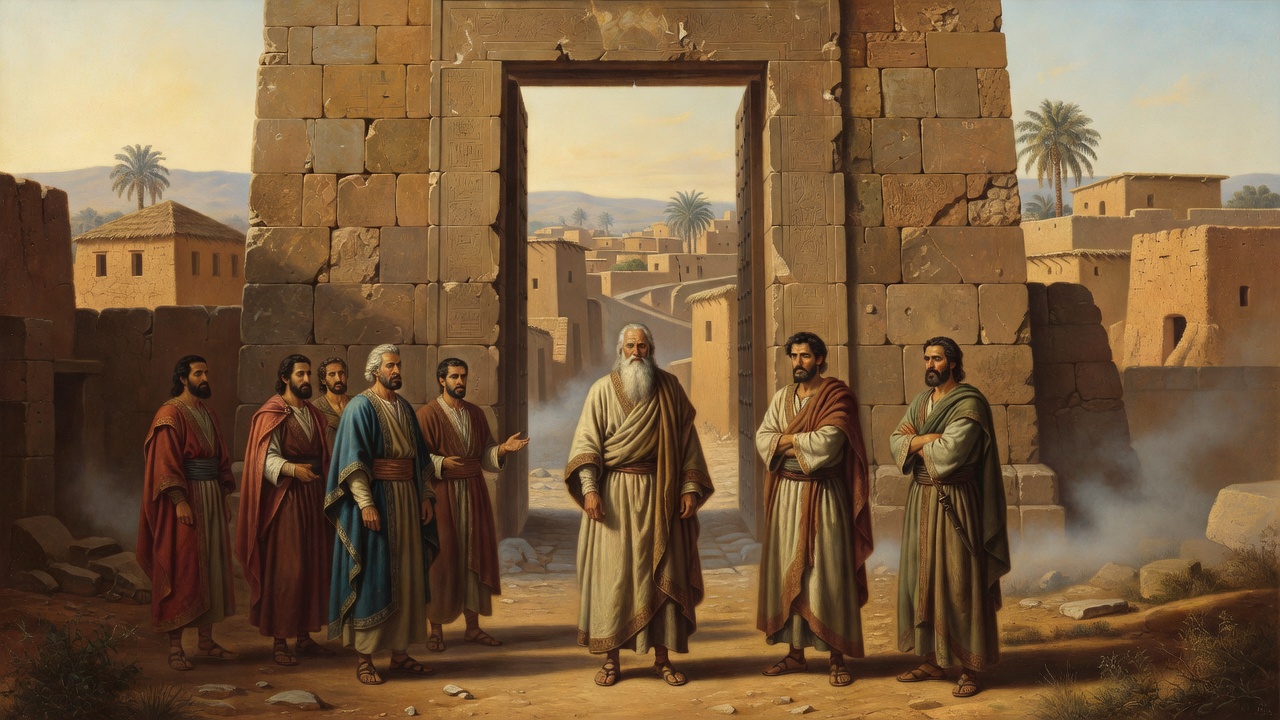
5Bienheureux l’homme qui en a rempli son carquois ! Ils n’auront pas honte quand ils parleront avec des ennemis dans la porte.
Did you know?
Divine Blessing and Family
- The superscription identifies Psalm 127 as a Song of Ascents attributed to Solomon. The opening verses emphasize that human endeavors, such as building a house, guarding a city, or working long hours for food, are futile without the Lord's involvement and blessing.Sources: the Bible text itself
- The psalm compares children born in one's youth to arrows in the hands of a warrior, presenting them as a heritage and reward from the Lord. Having a household full of them provides support and honor when confronting adversaries at the city gate.Sources: the Bible text itself
Notes written with AI assistance from open sources (Theographic Bible Metadata, CC BY-SA 4.0; Easton’s Bible Dictionary, public domain) and reviewed before publishing.
Places in this chapter
- Jerusalem · 31.777, 35.234 · verse 1
Only places identified with high confidence are shown (90% or more according to the scholarly sources compiled by OpenBible). Period map: DARE (Digital Atlas of the Roman Empire), CC BY 4.0; modern map: © OpenStreetMap contributors; places: OpenBible.info (CC BY 4.0).
Credits and license for this translation
Bible J.N. Darby
French: Bible J.N. Darby
Public Domain
Language: Français (French)
Contributor: Bibles et Publications Chrétiennes
La version J.N. Darby est une traduction littérale, considérée comme une des traductions françaises les plus proches du texte original.
Première édition de la Bible complète en 1885, rééditée en 1916, puis en 2024. La numérotation des versets de cette édition de 2024 suit celle de la Bible hébraïque.
Texte dans le domaine public.
Source : éditeur BPC , Bibles et Publications Chrétiennes (révision JND v2.0)
2025-05-02
Source: http://ebible.org/frajnd/ · eBible.org