Luke 11
Aadi keyri: linjiila iisaa almasiihu · Tap a verse to see its cross-references.
No Iisaa jannginiri taalibaaɓe mum no duwortee
1Ɲannde wootere, Iisaa ana waɗa duwaawu e nokku gooto. Nde o tilinoo ndee, gooto e taalibaaɓe makko ɓee wii mo:
—Moobbo, janngin min no min nduwortoo, hono no Yaayaa jannginiri taalibaaɓe mum nii.
2O wii ɓe:
—So oɗon nduwoo, nii mbiyaton:
Baabiraaɗo,
yo innde maa teddine.
Yo Laamu maa war.
3Hokku min ɲannde fuu ɲaamdu heƴooru min.
4Yaafa min luutti amen,
sabi miɗen njaafoo tooɲuɓe min fuu.
Pati accu min ceytee.
5O wii ɓe kasen:
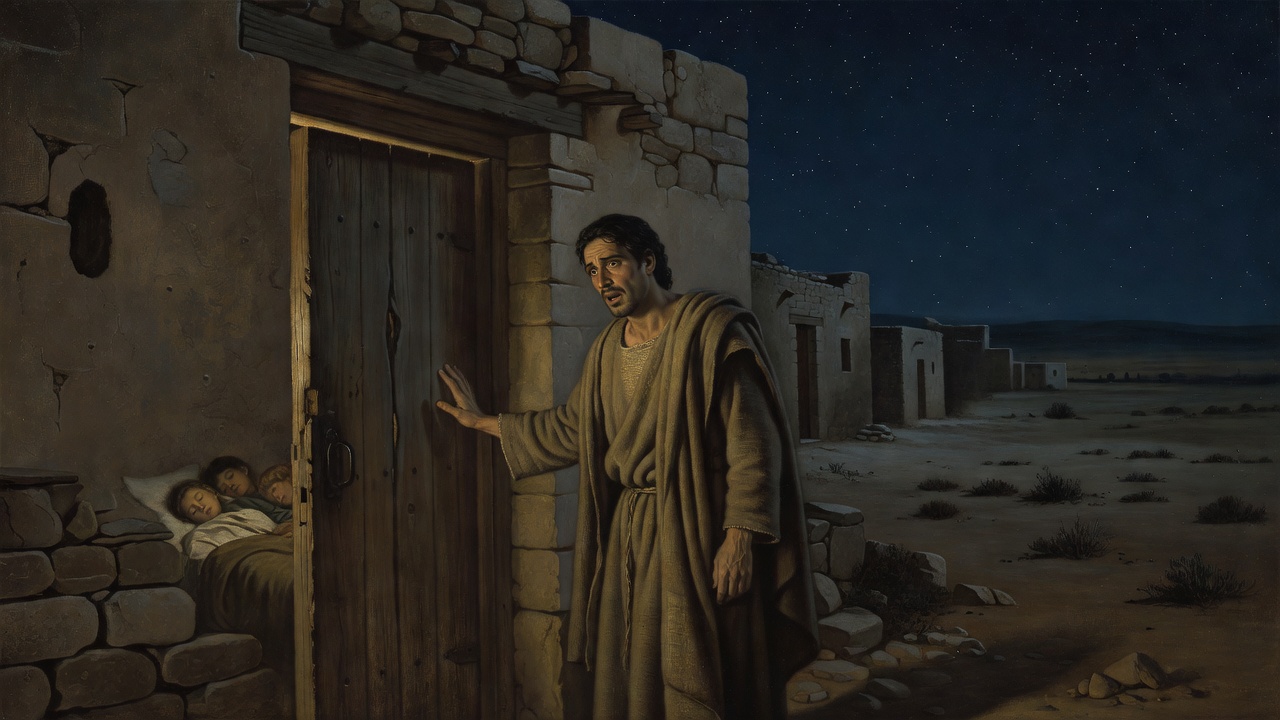
—So gooto mon yehii to giɗo mum hejjere jemma, wii ɗum: «Giɗam, ɲamlam buuruuje tati, 6mi heɓii koɗo jooni, mi walaa ko mi holla ɗum», 7yalla giɗo maa oo ana jaabe to ley galle too, wiye: «Pati torram, sabi damal ngal cokaangal, sukaaɓe am duu yo leliiɓe, mi waawaa immaade faa mi hokke fay huunde»? 8Miɗo wiya on: fay so o immaaki o hokkire saabe a giɗo makko, waajibi mo immoo, mo hokke hakke ko kasindin-ɗaa e mum fuu, kammari ko tekkin-ɗaa ɲaagunde maa ndee koo. 9Miin, miɗo wiya on: ɲaagee, on keɓan, tewtee, on njiitan, calminee gila oɗon damal galle, on udditante. 10Sabi ɲaagiiɗo fuu, heɓan, tewtuɗo fuu, yiitan, calminɗo fuu, udditante. 11Homo woni e mon baabiraaɗo mo ɓiyum ɲaagotoo liingu so hokka ɗum mboddi? 12Naa ɲaagoo ɗum ɓoccoonde, hokka ɗum yaare? 13No mbonir-ɗon fuu, oɗon ndokka ɓiɓɓe mon kulle lobbe, sako Baabiraaɗo mon gonɗo dow kammu oo. Ɲaagiiɗo mo Ruuhu Ceniiɗo fuu, o hokkan ɗum mo.
No Iisaa fenniri ko happaa koo
14Ɲannde wootere, Iisaa ana ribbana neɗɗo gooto seyɗaani muumɗinnooɗo ɗum. Nde seyɗaani oo yalti ndee, muumɗunooɗo oo watti haalde. Jamaa oo haaynaa. 15Kaa yoga e maɓɓe ana wiya:
—«Beelsebul», hooreejo seyɗaani'en oo o ribbirta seyɗaani'en ɓee!
16Woɓɓe ndaardi mo taagumansa kaayniiɗo iwoowo dow kammu faa itta koro makko. 17Nde wonnoo omo anndi miilooji maɓɓe, o wii ɓe:
—Laamu fuu pecciiɗo ana haɓa e hoore mum, bonan, maadiiji mum fuu ngurjan e leydi. 18So Ibiliisa e hoore mum fecciima, hono laamu mum heddortoo? Nde wonnoo on mbii «Beelsebul» ndibbiran-mi seyɗaani'en ɓee. 19So tawii «Beelsebul» ndibbiran-mi seyɗaani'en, yimɓe mon ɓee nee, homo ndibbirta ɓe? Yimɓe mon ɓee jaati kollata on ngalaa e goonga! 20Kaa so baawɗe Laamɗo ndibbiran-mi seyɗaani'en, ɗum ana holla Laamu Laamɗo warii e mon. 21Gorko jom semmbe jogiiɗo kaafaawi, so haybii galle mum, jawdi mum reenoto. 22Kaa so ɓurɗo ɗum semmbe yanii e mum, jaalike ɗum, teetan joomum kaafaawi ki fawnoo hoolaare e mum kii, fecca jawdi mum ndii e woɓɓe. 23Mo waldaa e am fuu yo gaɲo am. Mo mooɓtidataa e am fuu yo caakoowo.
24So seyɗaani yaltii e neɗɗo, seyɗaani oo yiiloyto e nokkuuje joorɗe, tewta ɗo ŋoottinoo. So mo heɓaali, mo wiyan: «Miɗo nii wirfitoo galle am mo eggunoo-mi e mum oo.» 25So mo wirfitike, mo tawan galle oo ana wuuwaa, ana moƴƴinaa ana paraa faa wooɗi. 26Nden, mo wirfitoo, mo waddoya seyɗaani'en njeɗɗon ɓurɓe mo bonde, ɓe naata e galle oo, ɓe koɗa e mum. Nii battane oo neɗɗo ɓurdata arannde mum bonde.
27Nde o haalata ɗum ndee, debbo gooto ana hakkunde jamaa oo, toowni daande mum, wii:
—Debbo caawɗo ma so muynin maa, welii hoore!
28Non Iisaa jaabii, wii:
—Welɓe hoore dee, nanooɓe konngol Laamɗo so njokka ngol ɓee!
No jamaa ndaardiri taagumansa
29Nde wonnoo jamaa oo ana ɓillondira e makko sanne, o fuɗɗi wiide:
—Yimɓe jamaanu jooni yo yimɓe bonɓe. Eɓe ndaara holleede taagumansa, kaa ɓe kollataake so wanaa taagumansa annabi Yuunusa oo. 30Sabi no Yuunusa laatanorii Niniwenkooɓe taagumansa nii, hono non Ɓii Neɗɗo oo duu laatanortoo yimɓe oo jamaanu taagumansa. 31Ɲannde darngal, kaananke debbo leydi ɓaleeri oo immodoto e yimɓe jamaanu jooni ɓee, liɓa ɗum'en. Sabi o iwriino faa hoore leydi, warde hettindaade haalaaji Suleymaana kebbinaaɗi hakkilantaaku ɗii. Haya, ɓurɗo Suleymaana won ɗoo! 32Ɲannde darngal, yimɓe Niniwe duu immodoto e yimɓe jamaanu jooni ɓee, liɓa ɗum'en. Sabi ɓe tuubii gila nde ɓe nannoo waaju annabi Yuunusa ndee. Haya, ɓurɗo Yuunusa won ɗoo!
Haala fooyre calɗi
33Iisaa wii kasen:
—Fay gooto huɓɓataa lampa so suuɗa ɗum naa hippa e mum kaakol. So lampa huɓɓaama, sinndete, yalla ana yaaynana naatooɓe. 34Gite maa ngoni lampa calɗi maa. So gite maa ana moƴƴi, calɗi maa fuu pooynan. Kaa so ɗe moƴƴaa, calɗi maa fuu niɓɓan. 35Ndennoo, haybu pati fooyre wonnde e maa ndee niɓɓa. 36Sabi so calɗi maa fuu keewii fooyre, tawa walaa fuu salndu maa wonndu e nimre, ɗi fuu ɗi pooyniran no lampa fooynirante nii.
No Iisaa feliri Farisa'en e jannginooɓe Sariya
37E ley ko Iisaa waajotoo koo, Farisanke gooto noddi ɗum bottaari. O nootoyii ɗum galle mum, o jooɗii faa o ɲaama. 38Farisanke oo haaynaa nde yiinoo o lootaali juuɗe fade makko ɲaamde. 39E ley ɗum, Iisaa wii mo:
—Onon Farisa'en, oɗon lawƴa caggal kore looɗe e caggal lehoy, tawee nee, ɓerɗe mon ana caawi nguykaaji e boneeji! 40Jaahili'en! Tama wanaa Taguɗo dow oo tagi ley oo duu? 41Ittiree sadakaaji mon ɗii ɓerɗe laaɓuɗe. Nden, ko heddii koo fuu daganto on.
42Bone yanan e mon, onon Farisa'en. Sabi oɗon ittana Laamɗo jakka naanaa, oɗon ittana ɗum jakka danndi e ko tutaton fuu. Kaa oɗon njeebii fooccitaare, oɗon njeebii yiɗude Laamɗo. Tawee nee, kaɲum kaanno-ɗon waɗude tawee on njeebaaki ko heddii koo. 43Bone yanan e mon, onon Farisa'en! Sabi oɗon njiɗi joolle lobbe e ley cuuɗi baajorɗi, oɗon njiɗi salmineede calminaali teddungal e luumooji. 44Bone yanan e mon. Sabi oɗon nanndi e janaale ɗe ngalaa maande, ɗe yimɓe njahata e mum, tawee anndaa.
45Gooto e jannginooɓe Sariya jaabii Iisaa, wii:
—Moobbo, no kaalirtaa nii, aɗa hoyna min minen duu.
46Iisaa jaabii, wii:
—Onon jannginooɓe Sariya ɓee duu, bone yanan e mon! Sabi oɗon ndonndina yimɓe donnge tedduɗe, tawee onon e ko'e mon, on memirtaa ɗe fay hoore feɗeendu mon. 47Bone yanan e mon, sabi oɗon maha janaale annabaaɓe ɓe njaatiraaɓe mon mbari ɓee. 48Ndennoo, onon, on ceettiima golle maɓɓe oo ana weli on. Sabi kamɓe, ɓe mbarii annabaaɓe, onon, oɗon maha janaale mum'en! 49Ɗum nee, Laamɗo hakkilante oo wii: «Mi neldan ɓe annabaaɓe e nelaaɓe, ɓe mbara yoga, ɓe torra yoga.» 50Ɗum waɗi so ƴiiƴam annabaaɓe njuppaaɗam gila e puɗɗooɗe aduna oo ɗam, ana yoɓtee e yimɓe oo jamaanu. 51So goonga dee, miɗo wiya on: ƴiiƴam gila Haabiila faa Jakariyaa baraaɗo hakkunde ittirde sadaka ndee e suudu Laamɗo nduu, ɗum fuu ɗum yoɓete e oo jamaanu. 52Bone yanan e mon, onon jannginooɓe Sariya! Sabi on teetii cokitirgal anndal, on naataali onon e ko'e mon, kasen duu on kaɗii naatooɓe ɓee naatude.
53Nde Iisaa iwi ɗon ndee, dunkee'en Sariya e Farisa'en ana mettaa e mum sanne sanne. Ana lamndoo mo kulle keewɗe, 54hedde eɓe tuufana mo faa ɓe keɓa e makko haala ka ɓe nannginira mo.
Did you know?
Prayer, Signs, and Woes
- Jesus speaks of the blood of all the prophets, from the blood of Abel to the blood of Zechariah, who was killed between the altar and the sanctuary. Abel was the second son of Adam and Eve and was killed by his brother Cain. Easton's Bible Dictionary (1897) identifies this Zechariah as the son or grandson of the high priest Jehoiada, stoned at the king's command in the court of the house of the Lord after he condemned the king and the people, and notes that Jesus alludes to that murder in this chapter.Sources: the Bible text itself · Abel · Zacharias
- Jesus says this generation will be given no sign except the sign of Jonah: as Jonah was a sign to the Ninevites, so the Son of Man will be a sign to this generation, and the men of Nineveh, who repented at his preaching, will condemn it at the judgment, because someone greater than Jonah is here. Easton's Bible Dictionary (1897) describes Jonah, son of Amittai of Gath-hepher, as a prophet of Israel and a missionary to Nineveh, and calls him a type of the Son of Man. It describes Nineveh as a great and populous city, the flourishing capital of the Assyrian empire.Sources: the Bible text itself · Jonah · Nineveh
- After Jesus drives out a demon that was mute, some say he does it by Beelzebul, the prince of the demons. Easton's Bible Dictionary (1897) explains the name Satan as adversary or accuser, says the New Testament uses it interchangeably with the devil, and lists Beelzebub among his titles. Jesus answers that every kingdom divided against itself will be laid waste, and asks how Satan's kingdom can stand if Satan is divided against himself.Sources: the Bible text itself · Satan
Notes written with AI assistance from open sources (Theographic Bible Metadata, CC BY-SA 4.0; Easton’s Bible Dictionary, public domain) and reviewed before publishing.
Places in this chapter
Only places identified with high confidence are shown (90% or more according to the scholarly sources compiled by OpenBible). Period map: DARE (Digital Atlas of the Roman Empire), CC BY 4.0; modern map: © OpenStreetMap contributors; places: OpenBible.info (CC BY 4.0).
Credits and license for this translation
Aadi keyri: linjiila iisaa almasiihu
New Testament in Fulfulde, Maasina
copyright © 2005 Wycliffe Bible Translators, Inc.
Language: Maasina Fulfulde (Fulfulde, Maasina)
Translation by: Wycliffe Bible Translators
Contributor: Wycliffe Bible Translators, Inc.
Copyright Information
© 2005,Wycliffe Bible Translators, Inc. All rights reserved.
This translation text is made available to you under the terms of the Creative Commons
License: Attribution-Noncommercial-No Derivative Works. ( http://creativecommons.org/licenses/by-nc-nd/3.0/ ) In addition, you have permission to
port the text to different file formats, as long as you do not change any of the text or
punctuation of the Bible.
You may share, copy, distribute, transmit, and extract portions or quotations from this work,
provided that you include the above copyright information:
You must give Attribution to the work.
You do not sell this work for a profit.
You do not make any derivative works that change any of the actual words or punctuation of
the Scriptures.
Permissions beyond the scope of this license may be available if you contact us with your
request.
The New Testament
in Fulfulde, Maasina
© 2005, Wycliffe Bible Translators, Inc. All rights
reserved.
This translation is made available to you under the terms of the
Creative Commons Attribution-Noncommercial-No Derivatives license 4.0.
You may share and redistribute this Bible translation or extracts from it in any format, provided that:
You include the above copyright and source information.
You do not sell this work for a profit.
You do not change any of the words or punctuation of the Scriptures.
Pictures included with Scriptures and other documents on this site are licensed just for use with those Scriptures and documents.
For other uses, please contact the respective copyright owners.
2015-03-17
Source: http://ebible.org/ffm/ · eBible.org