Hebrews 10
Aadi keyri: linjiila iisaa almasiihu · Tap a verse to see its cross-references.
1Sariya Muusaa oo yo mbeelu moƴƴereeji garooji ɗii, wanaa mbaadi majji jaati. Ɗum saabii fay e ley sadakaaji jottinteeɗi hitaande faa hitaande ɗii, o waawaa waɗude rewooɓe ɓee hiɓɓuɓe. 2So omo waawnoo ɗum, yottingol sadakaaji yoppeteno, sabi rewooɓe ɓee fuu laɓɓinteno cilol gootol timmungol, hakkillaaji maɓɓe ɲiŋataa ɓe banngal luutti hankasen. 3Kaa wanaa non laatorii. Hitaande faa hitaande ɗiin sadakaaji miccintinan yimɓe luutti mum'en. 4Sabi ƴiiƴam ga'i e damɗi ɗam waawaa ittude luutti fey.
5Ɗum saabii, nde Almasiihu ɓadinoo warde e aduna ndee, wii Laamɗo:
«A yiɗaa sadakaaji kirsamaaji e sadakaaji ɲamri,
kaa a waɗanii kam terɗe.
6Sadakaaji duppamaaji e sadakaaji banngal luutti,
a seyortaako ɗum.»
7E ley ɗum, Almasiihu wii:
«Miɗo nii, mi warii faa mi waɗa sago maa, aan Laamɗo,
no kabaaru am winndiraa e ley dewtere maa Sariya nii.»
8Arannde, o wii: «A yiɗaa sadakaaji kirsamaaji, a yiɗaa sadakaaji ɲamri kaɲum e sadakaaji duppamaaji e sadakaaji banngal luutti, a seyortaako ɗi.» Ɗum fuu e taweede, ɗiin sadakaaji no Sariya oo yamiri nii ngaɗiraa. 9Caggal ɗum, o wii: «Miɗo nii, mi warii faa mi waɗa sago maa.» Hono nii Laamɗo ittiri njuɓɓuki sadaka arano oo tabintini ɗiɗaɓo oo. 10Saabe ngoon sago cennira-ɗen e sadaka terɗe Iisaa Almasiihu cilol gootol keƴoowol yimɓe jamaanuuji ɗii fuu.
11E ley njuɓɓuki sadaka arano oo, jottinoowo sadaka fuu yo daraniiɗo golle mum ɲannde fuu, ana yottina sadakaaji ɗii wakkati fuu, kaa ɗi mbaawaa ittude luutti fey. 12Kaa Almasiihu yottinii sadaka gooto ittoowo luutti keƴoowo yimɓe jamaanuuji ɗii fuu, caggal ɗum, o jooɗii ɲaamo Laamɗo. 13Ɗon mo doomata faa Laamɗo waɗa mo yaɓɓa wayɓe makko. 14E sadaka gooto oo, faa abada o hiɓɓinirii ɓeen ɓe luutti mum'en laɓɓintee ɓee. 15Ɗum woni ko Ruuhu Ceniiɗo oo duu seedantoo en. Sabi o wii tafon:
16«Joomiraaɗo wii:
Ndii aadi ngaɗidan-mi e maɓɓe
caggal ɗee ɲalaaɗe:
Mi waɗan sariyaaji am e ɓerɗe maɓɓe,
mi winnda ɗi e hakkillaaji maɓɓe.»
17O jokkintini hen kasen, o wii:
«Mi ittan e hakkille am luutti maɓɓe e boofi maɓɓe fey.»
18Ndennoo ɗo luutti njaafaa, sadaka ittoowo luutti hasindintaake ɗon hankasen.
No kaan-ɗen ɓadoraade Laamɗo
19Ndennoo sakiraaɓe, ƴiiƴam Iisaa njuppaaɗam ɗam hokki en laawol naatude e nokku ɓurɗo fuu senaade oo dow hoolaare. 20O udditanii en laawol kesol guurngol jawtirgol heedoode ndee, kanngol woni terɗe makko ɗee. 21Nde wonnoo jottinoowo sadaka mawɗo ardinaaɗo suudu Laamɗo nduu njogi-ɗen, 22ndennoo, ɓadoro-ɗen Laamɗo ɓerɗe ɗe ngalaa naafigaaku jogiiɗe goonɗinal ngal sikke fuu walaa e mum. Sabi luutti ɗi ɓerɗe men caawunoo ɗii fuu ittaama, calɗi men duu lootiraama ndiyam laaɓuɗam. 23Ɓeyden jikke men dow ko ceedori-ɗen ɓernde wootere koo, sabi podanɗo en oo yo koolniiɗo. 24Ngattondiren hakkille faa tiiɗondiren e ley jilli e golleeji lobbi. 25Pati njoppen hawritidde no yogaaɓe ngaɗata nii, ɓeydo-ɗen waajondirde nde wonnoo oɗon njiya ɲalaande Joomiraaɗo oo ana wara warde.
26So en murike en keddike e luutti caggal ko anndu-ɗen goonga oo faa laaɓi koo, annden sadaka ittoowo luutti heddaaki hankasen. 27Ko heddii dee, doomugol kulɓiniingol ɲannde kiiti, kaɲum e yiite ɲaamoowe yedduɓe Laamɗo ɓee ngee. 28So neɗɗo bonnii Sariya Muusaa oo e dow seedaaku yimɓe ɗiɗon naa taton, yurmataake, warete! 29Kaa walaa fuu ɓurɗo haandude e jukkungo ko foti so neɗɗo yaaɓii Ɓii Laamɗo, soɓinii ƴiiƴam aadi cennuɗam ɗum ɗam, hoynii Ruuhu gaddoowo moƴƴere oo. 30Sabi eɗen anndi Laamɗo wii:
«Miin yoɓtoytoo mi yoɓoyan ɓe.»
O wii kasen:
«Joomiraaɗo saran yimɓe mum.»
31Hee, naatude e junngo Laamɗo guurɗo oo ana hulɓinii!
32Miccitee ɲalaaɗe mon arane ɗee, caggal nde hakkillaaji mon njaaynaa, hee on tiinnitike ley torraaji e muɲal. 33Wakkatiiji oɗon koyniree jennooje e tooɲannge hakkunde yimɓe, wakkatiiji oɗon ndeenta e woɓɓe waɗaaɓe non. 34On cunodike e uddaaɓe kasu, kasen duu nde teeta-ɗon ko njogi-ɗon koo fuu ndee, on njogorike ɗum seyo, sabi oɗon anndi onon njogii jawdi ɓurndi fuu, ndi timmataa. 35Ndennoo, pati njoppee hoolaare mon sabi ende jogii mbarjaari mawndi. 36E ley ɗum, oɗon kaani muɲude, yalla oɗon ngaɗa sago Laamɗo, keɓon mo o fodani on oo, 37sabi ana winndii:
«Ɗoo e yeeso seeɗa,
kaanɗo warde oo waran, o taaɗataa.»
Laamɗo wii:
38«Pooccitaniiɗo kam wuurdan goonɗinal,
kaa so wirfitiima,
ɓernde am yarrataako ɗum.»
39Enen noo, en njeyaaka e wirfitotooɓe faa kalkoyoo ɓee, ɓe njeye-ɗen e mum dee, goonɗinɓe faa yonkiiji mum'en kisinee ɓee.
Did you know?
A Sacrifice Offered Once for All
- The law is called only a shadow of the good things to come. Sacrifices repeated year after year, and the blood of bulls and goats, are said to remind worshipers of sins rather than take those sins away; by contrast, the sacrifice of the body of Jesus Christ is presented as sanctifying people once for all.Sources: the Bible text itself
- Every priest is pictured standing day after day to offer the same sacrifices, which can never take away sins. After one sacrifice for sins, this Priest is said to have sat down at the right hand of God, and the chapter speaks of a new and living way into the Most Holy Place through the curtain of his body.Sources: the Bible text itself
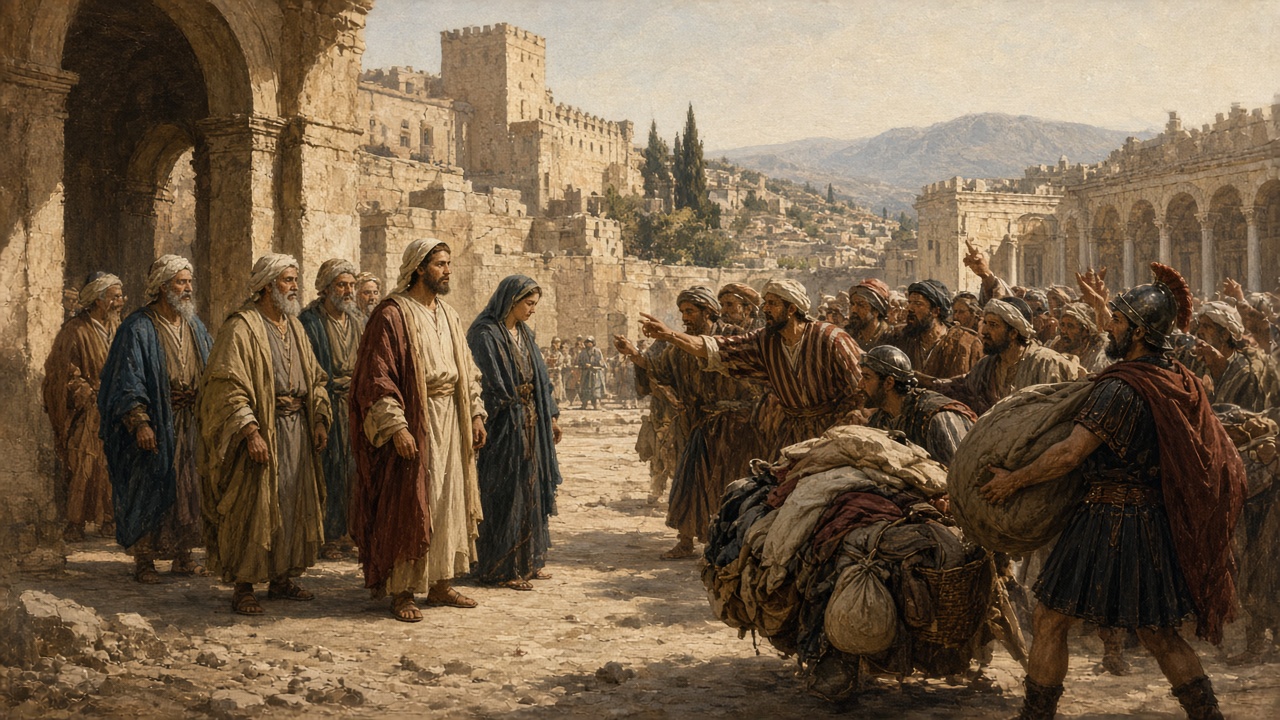
- Rejecting the law of Moses, the chapter says, brought death without mercy on the testimony of two or three witnesses. It then recalls an earlier time when the readers endured public ridicule and persecution, stood with those so treated, sympathized with people in prison, and joyfully accepted the confiscation of their property.Sources: the Bible text itself
Notes written with AI assistance from open sources (Theographic Bible Metadata, CC BY-SA 4.0; Easton’s Bible Dictionary, public domain) and reviewed before publishing.
Places in this chapter
Only places identified with high confidence are shown (90% or more according to the scholarly sources compiled by OpenBible). Period map: DARE (Digital Atlas of the Roman Empire), CC BY 4.0; modern map: © OpenStreetMap contributors; places: OpenBible.info (CC BY 4.0).
Credits and license for this translation
Aadi keyri: linjiila iisaa almasiihu
New Testament in Fulfulde, Maasina
copyright © 2005 Wycliffe Bible Translators, Inc.
Language: Maasina Fulfulde (Fulfulde, Maasina)
Translation by: Wycliffe Bible Translators
Contributor: Wycliffe Bible Translators, Inc.
Copyright Information
© 2005,Wycliffe Bible Translators, Inc. All rights reserved.
This translation text is made available to you under the terms of the Creative Commons
License: Attribution-Noncommercial-No Derivative Works. ( http://creativecommons.org/licenses/by-nc-nd/3.0/ ) In addition, you have permission to
port the text to different file formats, as long as you do not change any of the text or
punctuation of the Bible.
You may share, copy, distribute, transmit, and extract portions or quotations from this work,
provided that you include the above copyright information:
You must give Attribution to the work.
You do not sell this work for a profit.
You do not make any derivative works that change any of the actual words or punctuation of
the Scriptures.
Permissions beyond the scope of this license may be available if you contact us with your
request.
The New Testament
in Fulfulde, Maasina
© 2005, Wycliffe Bible Translators, Inc. All rights
reserved.
This translation is made available to you under the terms of the
Creative Commons Attribution-Noncommercial-No Derivatives license 4.0.
You may share and redistribute this Bible translation or extracts from it in any format, provided that:
You include the above copyright and source information.
You do not sell this work for a profit.
You do not change any of the words or punctuation of the Scriptures.
Pictures included with Scriptures and other documents on this site are licensed just for use with those Scriptures and documents.
For other uses, please contact the respective copyright owners.
2015-03-17
Source: http://ebible.org/ffm/ · eBible.org