Job 31
Biblica® Se aɖeke mebla Biblia zazã o Agbenya La™ · Tap a verse to see its cross-references.
1“Mebla nu kple nye ŋku be
megakpɔ ɖetugbi aɖeke ahiãdzetɔe o.
2Elabena nu kae nye amegbetɔ tɔ gome tso
Mawu si le dziƒo la gbɔ
kple eƒe domenyinu tso
Ŋusẽkatãtɔ si le dziƒo ʋĩi la gbɔ?
3Ɖe menye gbegblẽ wònye na ame vɔ̃ɖiwo
kple dzɔgbevɔ̃e na nu tovo wɔlawo oa?
4Ɖe mekpɔ nye mɔwo
eye wòxlẽ nye afɔɖeɖe ɖe sia ɖe oa?
5“Nenye be mezɔ le aʋatsokaka me
alo nye afɔ ɖe abla ɖe amebeble ŋuti la,
6ekema Mawu nedam le nudanu nyuitɔ dzi
eye wòanya be nyemeɖi fɔ o.
7Nenye be nye afɔ tra le mɔ la dzi,
nenye be nye dzi kplɔ nu si nye ŋkuwo kpɔ la ɖo
alo nye asiwo ƒo ɖi la,
8ekema ame bubuwo neɖu nu siwo meƒã
eye woneho nye nukuwo le bo dzi.
9“Ne nyɔnu aɖe flu nye dzi
alo mede xa ɖe nye aƒelika ƒe ʋɔtru nu la,
10ekema srɔ̃nye netu bli na ŋutsu bubu
eye ŋutsu bubuwo nedɔ kplii.
11Elabena esia anye ŋukpenanu
kple nu vɔ̃ si dze na ʋɔnudɔdrɔ̃.
12Enye dzo si bina hena gbegblẽ,
eye wòaho nye nukuwo akɔ ɖi.
13“Ne nyemetso afia nyui na nye dɔlaŋutsuwo
kple dɔlanyɔnuwo ne wotsɔ nya ɖe ŋunye o la,
14nu ka mawɔ ne Mawu bia gbem?
Ŋuɖoɖo ka mana ne eyɔm be mana akɔnta?
15Ɖe menye ame si wɔm ɖe vidzidɔ me lae wɔ woawo hã oa?
Ɖe menye eya koe wɔ mí ame evea katã
ɖe mía dadawo ƒe dɔ me oa?
16“Nenye be mete hiãtɔwo woƒe didiwo
alo mena nu te ahosiwo ƒe ŋkuwo ŋu,
17nenye be nye ɖeɖe meɖu nye abolo heku ŋɔ tsyɔ̃evi la,
eya ko woagblɔ nya aɖe,
18evɔ la tso nye ɖekakpuime ke,
menyi tyɔẽviwo abe fofo ene
eye tso nye ɖevime ke,
mefia mɔ ahosiwo.
19Ne mekpɔ ame aɖe wòle tsɔtsrɔ̃m le avɔmanɔamesi ta
alo hiãtɔ si mekpɔ awu ne wòado o
20eye eƒe dzi meyram be metsɔ avɔ si wowɔ
kple nye alẽwo ƒe fu nɛ be wòade dzo lãme nɛ o,
21ne mekɔ nye asi dzi ɖe tsyɔ̃evi ŋu, evɔa menya be
woxɔa nye nya le ʋɔnu la,
22ekema na be nye abɔ nage le abɔgba ŋu
eye wòaŋe le ekpeƒe.
23Elabena gbegblẽ si tso Mawu gbɔ la le ŋɔ dzim nam,
eye vɔvɔ̃ na eƒe atsyɔ̃ mana mawɔ nu mawo o.
24“Nenye ɖe meɖo dzi ɖe sika ŋu
alo megblɔ na sika nyuitɔ be,
‘Wòe nye nye sitsoƒe,’
25nenye ɖe mekpɔ dzidzɔ le nye kesinɔnu gbogboawo ta,
nu siwo nye alɔ wɔ dɔ kpɔ,
26nenye ɖe mede bubu ɣe ŋuti le ale si wòle keklẽm
alo ɣleti le ale si wòle yiyim kple atsyɔ̃,
27ale be woflu nye dzi le adzame
eye metsɔ nye asi wɔ dzesi na wo be melɔ̃ wo,
de bubu wo ŋu la,
28ekema esiawo hã anye nu vɔ̃
siwo wòle be woahe ayi ʋɔnu,
elabena adze ċa be
nyemeto nyateƒe na Mawu le dziƒo o.
29“Nenye ɖe mekpɔ dzidzɔ le
nye futɔ ƒe dzɔgbevɔ̃e me dzedze ŋu
alo dzɔ dzi le hiã siwo tui ta la,
eya ko magblɔ nya aɖe.
30Gake nyemeɖe mɔ na nye nu be
wòawɔ nu vɔ̃ to ɖiŋudodo na eƒe agbe me o.
31Nenye ɖe ame siwo le aƒenye me la se megblɔ kpɔ be,
‘Ame kae meɖu Hiob ƒe abolo ɖi ƒo kpɔ o?’ la,
anye ne enye nya bubu
32elabena mele na amedzro aɖeke be
wòatsi mɔto adɔ o
elabena nye ʋɔtru le ʋuʋu ɖi
ɣe sia ɣi na mɔzɔlawo.
33Nenye ɖe meɣla nye nu vɔ̃
abe ale si amewo wɔna ene,
be meɣla nye dzidada ɖe nye dzi me,
34elabena mevɔ̃ na ameha la ŋutɔ
eye mevɔ̃ na dukɔ la ƒe vlododo ale gbegbe be,
mezi ɖoɖoe hegbe gododo ɖe gota la,
anye ne enye nya bubu kura.
35“O, ɖe ame aɖe le asinye aɖo tom ɖe!
Kpɔ ɖa mede asi ɖokuinyetaʋlinyawo te,
azɔ la, Ŋusẽkatãtɔ la neɖo eŋu nam,
ame si le nunye tsom la hã neŋlɔ
nunyetsonyawo ɖe agbalẽ dzi.
36Vavã malée ɖe nye abɔta
eye maɖɔe ɖe ta abe fiakuku ene.
37Mana nutsotsoe tso nye afɔɖeɖe ɖe sia ɖe ŋuti
eye mate ɖe eŋu abe fiavi ene.
38“Nenye ɖe nye anyigba fa avi ɖe ŋutinye
eye eƒe boliƒowo yɔ kple aɖatsi,
39nenye be meɖu eƒe kutsetsewo femaxee
alo mena dɔwɔla siwo le agblea dzi la
ƒe gbɔgbɔ gbã gudugudugudu la,
40ekema aŋɔkawo nemie nam ɖe lu teƒe
eye gbe wuwluiwo nemie ɖe ƒo teƒe.”
Esiae nye Hiob ƒe nyawo ƒe nuwuwu.
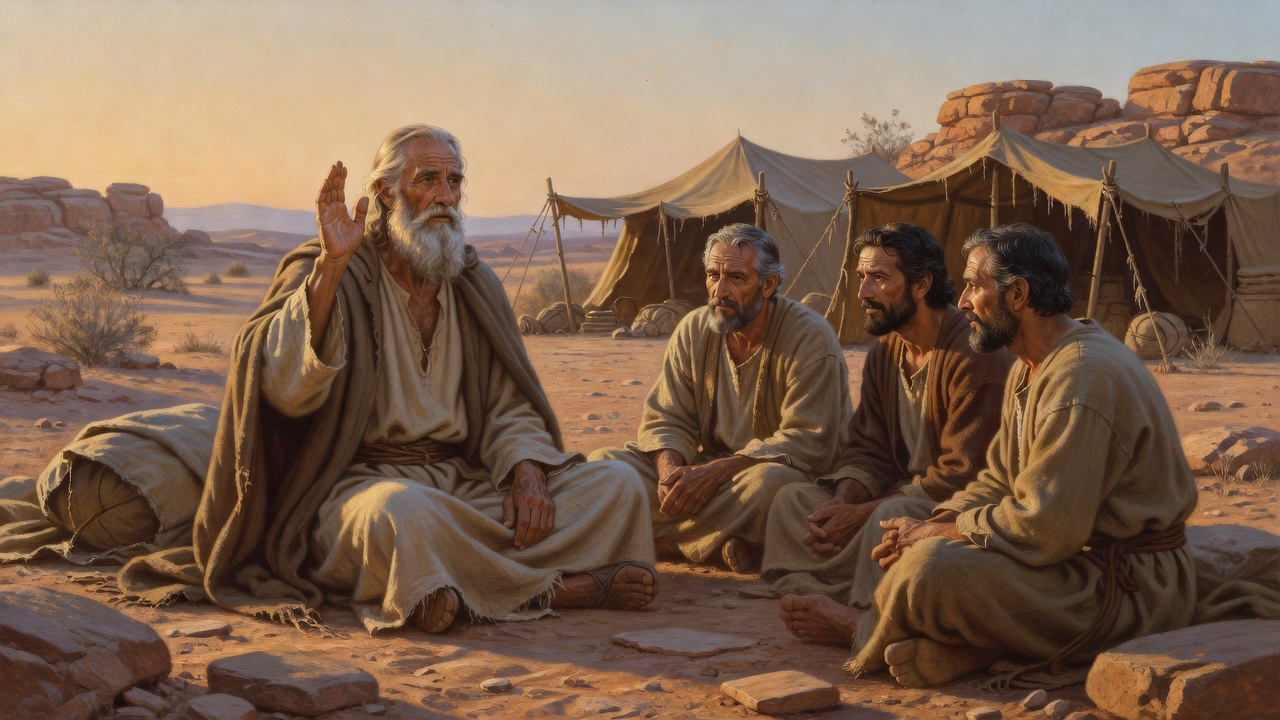
Did you know?
Job's Final Oath of Innocence
- Job frames his defense using a series of conditional self-curses, swearing that if he has committed specific moral or social sins, severe punishments should fall upon him. His ethical code extends beyond external deeds to internal motives, demanding fairness even for his servants because both master and slave were formed by the same God in the womb.Sources: the Bible text itself
- Job disavows the ancient practice of throwing a kiss with his hand toward the radiant sun or the moon in splendor. In the ancient Near East, kissing one's hand toward celestial bodies was a widespread form of astral worship, which Job regards as an offense that denies God on high.Sources: the Bible text itself
- The chapter marks the conclusion of Job's speeches with a formal legal appeal. He presents his written mark or signature, asking the Almighty to answer him and declaring that he would proudly carry any formal indictment on his shoulder like a crown, approaching God with the dignity of a prince.Sources: the Bible text itself · Job
Notes written with AI assistance from open sources (Theographic Bible Metadata, CC BY-SA 4.0; Easton’s Bible Dictionary, public domain) and reviewed before publishing.
Credits and license for this translation
Biblica® Se aɖeke mebla Biblia zazã o Agbenya La™ Éwé: Biblica® Se aɖeke mebla Biblia zazã o Agbenya La™ (Bible) of Ghana copyright © 1988, 2006, 2020 Biblica, Inc. Language: eʋegbe Contributor: Biblica, Inc. Dɔwɔƒe si na wò asi ka agbalẽ sia lae nye Creative Commons Attribution-ShareAlike 4.0 International License (CC BY-SA). Ne èdi be yeakpɔ laisensi alo mɔɖegbalẽ sia la, yi ɖe http://creativecommons.org/licenses/by-sa/4.0 alo ŋlɔ agbalẽ na Creative Commons Dɔwɔƒea to adrɛsi sia dzi: Creative Commons, PO Box 1866, Mountain View, CA 94042, USA. Biblica, Inc. na wode Biblica® kple eƒe dzesidenu agbalẽ me, eye woaŋlɔ agbalẽ axɔ mɔɖeɖe tso Biblica, Inc. gbɔ hafi woawɔ Biblica® ƒe dzesidenu la ŋu dɔ. Le CC BY-SA ƒe mɔɖeɖe ƒe sewo nu la, àte ŋu azã agbalẽ sia me nyawo le dɔ bubuwo wɔwɔ me gake ele be nàde dzesi Biblica ƒe dzesidenu la abe ale si wòle ene. Ne ètrɔ asi le agbalẽ sia ŋu alo zãe le mɔ bubu nu la, ele be nàɖe Biblica® ƒe dzesidenu la ɖa. Ele be nàde dzesi tɔtrɔ siwo nèwɔ la ɖe agbalẽ la me eye nàde dzesii be: “Àte ŋu akpɔ Biblica, Inc. ƒe dɔ gbãtɔ le www.biblica.com kple open.bible femaxee.” Ele be nutɔnyenye ƒe dzeside nadze le agbalẽ la ƒe axa si tanya alo nutɔnyenye ƒe dzesi nɔna la ale: Biblica® Se aɖeke mebla Biblia zazã o Agbenya La™ Nutɔnyenye © 1988, 2006, 2020 Biblica, Inc. Biblica® Open Ewe Contemporary Scriptures™ Copyright © 1988, 2006, 2020 by Biblica, Inc. Biblica, Inc. na Dɔwɔƒe si Kpɔa Nutɔnyenye kple Adzɔdodo ƒe Nyawo dzi le Amerika la de “Biblica” kple eƒe dzesidenu agbalẽ me. Woaxɔ mɔɖeɖe na ezazã. “Biblica” is a trademark registered in the United States Patent and Trademark Office by Biblica, Inc. Used with permission. Ele be nàna míaƒe asi naka wò agbalẽ la le laisensi alo mɔɖeɖe ƒe se (CC BY-SA) sia nu. Ne èdi be yeana nyanya Biblica, Inc. tso agbalẽ sia zazã ŋu la, anyo be nàdo ta ɖe mía gbɔ le https://open.bible/contact-us. This work is made available under the Creative Commons Attribution-ShareAlike 4.0 International License (CC BY-SA). To view a copy of this license, visit http://creativecommons.org/licenses/by-sa/4.0 or send a letter to Creative Commons, PO Box 1866, Mountain View, CA 94042, USA. Biblica® is a trademark registered by Biblica, Inc., and use of the Biblica® trademark requires the written permission of Biblica, Inc. Under the terms of the CC BY-SA license, you may copy and redistribute this unmodified work as long as you keep the Biblica® trademark intact. If you modify a copy or translate this work, thereby creating a derivative work, you must remove the Biblica® trademark. On the derivative work, you must indicate what changes you have made and attribute the work as follows: “The original work by Biblica, Inc. is available for free at www.biblica.com and open.bible.” Notice of copyright must appear on the title or copyright page of the work as follows: Biblica® Se aɖeke mebla Biblia zazã o Agbenya La™ Nutɔnyenye © 1988, 2006, 2020 Biblica, Inc. Biblica® Open Ewe Contemporary Scriptures™ Copyright © 1988, 2006, 2020 by Biblica, Inc. Biblica, Inc. na Dɔwɔƒe si Kpɔa Nutɔnyenye kple Adzɔdodo ƒe Nyawo dzi le Amerika la de “Biblica” kple eƒe dzesidenu agbalẽ me. Woaxɔ mɔɖeɖe na ezazã. “Biblica” is a trademark registered in the United States Patent and Trademark Office by Biblica, Inc. Used with permission. You must also make your derivative work available under the same license (CC BY-SA). If you would like to notify Biblica, Inc. regarding your translation of this work, please contact us at https://open.bible/contact-us. This translation is made available to you under the terms of the Creative Commons Attribution Share-Alike license 4.0. You have permission to share and redistribute this Bible translation in any format and to make reasonable revisions and adaptations of this translation, provided that: You include the above copyright and source information. If you make any changes to the text, you must indicate that you did so in a way that makes it clear that the original licensor is not necessarily endorsing your changes. If you redistribute this text, you must distribute your contributions under the same license as the original. Pictures included with Scriptures and other documents on this site are licensed just for use with those Scriptures and documents. For other uses, please contact the respective copyright owners. Note that in addition to the rules above, revising and adapting God's Word involves a great responsibility to be true to God's Word. See Revelation 22:18-19. 2025-05-01
Source: http://ebible.org/ewe/ · eBible.org