Isaiah 51
Biblica® Se aɖeke mebla Biblia zazã o Agbenya La™ · Tap a verse to see its cross-references.
Ɖeɖe mavɔ na Zion
1“Miɖo tom, mi ame siwo tia dzɔdzɔenyenye yome,
eye miedia Yehowa.
Mikpɔ agakpe si me woɖe mi tsoe
kple fukpekpe si me woɖe mi le la dzi.
2Mikpɔ mia fofo Abraham kple Sara,
ame siwo dzi mi la dzi.
Esi meyɔe la, eya ɖeka koe,
gake meyrae, eye mewɔe wòzu ame geɖe.
3Yehowa afa akɔ na Zion godoo, eye anye kɔ akpɔ
eƒe gli gbagbãwo kple dɔmetɔtrɔ.
Atrɔ eƒe gbegbe wòazu Edenbɔ,
eƒe kuɖinyigbawo abe Yehowa ƒe abɔ ene.
Dzidzɔ kple vivisese anɔ afi ma
eye akpedada kple hadzidzi hã anɔ afi ma.
4“Nye amehawo, miɖo tom,
nye dukɔ, miaƒe to nenɔ ŋunye:
Nufiame atso gbɔnye,
eye nye ʋɔnu dzɔdzɔe dɔdrɔ̃
anye kekeli na dukɔwo.
5Nye dzɔdzɔenyenye gbɔna kple du,
nye ɖeɖe le mɔ dzi gbɔna,
eye nye abɔ ahe afia nyui
tsotso vɛ na dukɔwo.
Ƒukpowo akpɔ mɔ nam, eye woalala
kple mɔkpɔkpɔ anɔ nye alɔ sinu kpɔm.
6Mifɔ mo dzi ne miakpɔ dziƒo,
mide mo to ne miakpɔ anyigba.
Dziƒowo nu ava yi abe dzudzɔ ene.
Anyigba anyunyɔ abe avɔ ene,
eye edzinɔlawo aku abe tagbatsutsu ene,
ke nye xɔname anɔ anyi ɖikaa,
eye nye dzɔdzɔenyenye nu matsi gbeɖe o.
7“Miɖo tom, mi ame siwo nya nu si le dzɔdzɔe.
Mi ame siwo ƒe dziwo me nye se la le,
migavɔ̃ amewo ƒe mokaname o,
eye woƒe dzu megado ŋɔdzi na mi o,
8elabena gbagblaʋui aɖu wo abe avɔ ene,
eye ŋɔ aɖu wo abe ɖetifu ene.
Ke nye dzɔdzɔenyenye la anɔ anyi tegbee,
eye nye xɔname anɔ anyi tso dzidzime yi dzidzime.”
9Nyɔ, nyɔ! O! Yehowa ƒe alɔ, ne nàtsɔ ŋusẽ ado.
Nyɔ abe le tsã ƒe ɣeyiɣiwo kple blemaŋɔliwo ene.
Ɖe menye wòe fli Rahab kakɛkakɛ,
eye nètsɔ nu ƒo ɖe lã dziŋɔ la oa?
10Ɖe menye wòe na atsiaƒu,
tɔ goglo la me tsiwo mie,
eye nèta mɔ ɖe atsiaƒu me be
ame siwo woɖe la nato edzi ayi oa?
11Yehowa ƒe ame siwo woɖe la atrɔ agbɔ.
Woage ɖe Zion kple aseyetsotso,
eye dzidzɔkpɔkpɔ anye fiakuku anɔ woƒe tawo dzi.
Vivisese kple dzidzɔkpɔkpɔ asu wo si,
eye nuxaxa kple hũɖeɖe abu ɖe wo.
12“Nye, nye koe faa akɔ na mi.
Ame kae nènye be nèle vɔvɔ̃m na amegbetɔ
siwo le abe gbe ko ene?
13Nu ka ta nèŋlɔ Yehowa,
wò Wɔla, si keke dziƒowo me,
eye wòɖo anyigba ƒe agunu anyi la be?
Nu ka ta ŋɔdzi léa wò gbe sia gbe
le ameteɖeanyila ƒe dɔmedzoe ta,
ame si ɖoe kplikpaa be yeagblẽ nu?
Afi ka ameteɖeanyila ƒe dɔmedzoe la le azɔ?
14Woaɖe ga gamenɔla siwo le vɔvɔ̃m la kpuie.
Womaku ɖe gaxɔ me loo
alo abolo nahiã wo o,
15elabena nyee nye Yehowa, wò Mawu,
ame si de adã atsiaƒu me be ƒutsotsoewo dze agbo.
Yehowa, Dziƒoʋakɔwo ƒe Aƒetɔe nye eŋkɔ.
16Metsɔ nye nyawo de nuwò,
eye meɣla wò ɖe nye asi ƒe vɔvɔli te.
Nye ame si tsɔ dziƒowo ɖo
wo teƒe heɖo anyigba gɔme anyi,
eye megblɔ na Zion be, ‘Nye dukɔ nènye.’ ”
Yehowa ƒe dɔmedzoekplu
17Nyɔ, nyɔ! O! Yerusalem, fɔ,
wò ame si ƒe dɔmedzoekplu le Yehowa ƒe asi me.
Wò ame si no nu muame la wòvɔ ƒioƒioƒio,
kplu si nana amewo zɔna sɔgɔsɔgɔ.
18Viŋutsu siwo katã wòdzi la ɖeke meli afia mɔe o.
Viŋutsu siwo katã wònyi la, ɖeke meli alé eƒe alɔnu o.
19Dzɔgbevɔ̃e evee dzɔ ɖe dziwò,
ame kae ate ŋu afa akɔ na wò?
Gbegblẽ kple tsɔtsrɔ̃,
dɔwuame kple yi ƒo go wò,
ame ka ate ŋu afa akɔ na wò.
20Nu te viwò ŋutsuwo ŋu.
Womlɔ mɔtata ɖe sia ɖe ƒe dzogoewo dzi
abe avugbɔ̃e si ɖo mɔ me la ene.
Yehowa ƒe dɔmedzoe kple wò Mawu la
ƒe mokaname ɖi ƒo na wo,
21eya ta ɖo to afii,
wò ame si kpe hiã, eye nèmu aha,
evɔ mèno wain hã o.
22Ale wò Aƒetɔ, Yehowa gblɔe nye esi,
wò Mawu si ʋli eƒe dukɔ ta la be,
“Kpɔ ɖa, mexɔ kplu si na nèle mumum sɔgɔsɔgɔ la le asiwò.
Màgano nye dɔmedzoe ƒe nu muame la
le kplu sia me azɔ gbeɖe o.
23Matsɔe ade asi na wò fuwɔamela
siwo gblɔna na wò be,
‘Mlɔ anyi ne míazɔ dziwò ayi’,
eye nèwɔ wò dzime abe anyigba
kple mɔdodo ene be woato edzi ayi.”
Did you know?
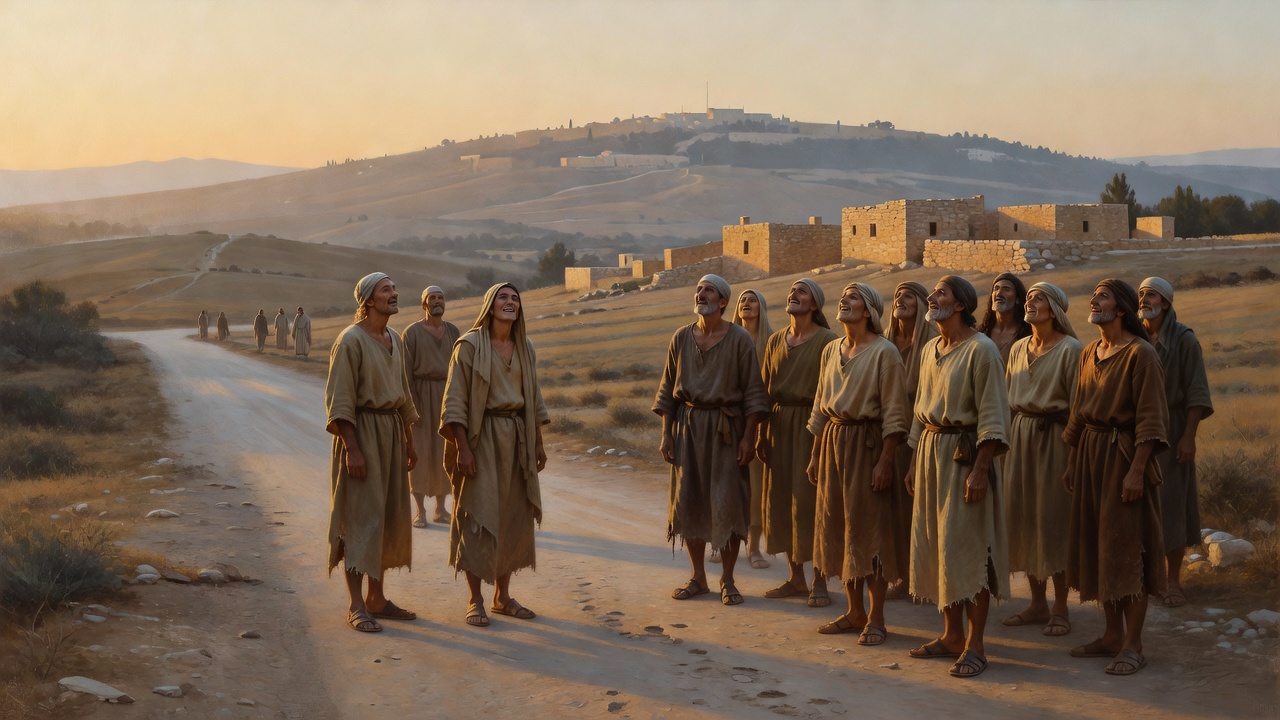
Comfort for Zion and the Memory of Origins
- Isaiah 51 urges listeners who seek the Lord to look back to their ancestral roots in Abraham and Sarah. The text recalls how Abraham was called as a single individual before God blessed and multiplied his descendants.Sources: the Bible text itself · Abraham · Sarah
- In verse 9, the name Rahab is a poetic designation applied to Egypt, signifying pride or insolence. The passage evokes God striking this symbolic monster and drying the sea waters during the exodus as a sign of power to redeem captives.Sources: the Bible text itself · Rahab
- The prophecy compares the future renewal of ruined Zion to the lush wilderness of Eden, the garden of the Lord. The text assures Jerusalem that the cup of suffering will be taken from her hands and placed into the hands of her oppressors.Sources: the Bible text itself · Zion · Eden · Jerusalem
Notes written with AI assistance from open sources (Theographic Bible Metadata, CC BY-SA 4.0; Easton’s Bible Dictionary, public domain) and reviewed before publishing.
Places in this chapter
- Zion · Today: Jerusalem · 31.777, 35.234 · verses 3, 11, 16
- Egypt · 30.129, 31.308 · verse 9
- Nile · Today: Nile River · 31.465, 30.367 · verse 9
- Jerusalem · 31.777, 35.234 · verse 17
Only places identified with high confidence are shown (90% or more according to the scholarly sources compiled by OpenBible). Period map: DARE (Digital Atlas of the Roman Empire), CC BY 4.0; modern map: © OpenStreetMap contributors; places: OpenBible.info (CC BY 4.0).
Credits and license for this translation
Biblica® Se aɖeke mebla Biblia zazã o Agbenya La™ Éwé: Biblica® Se aɖeke mebla Biblia zazã o Agbenya La™ (Bible) of Ghana copyright © 1988, 2006, 2020 Biblica, Inc. Language: eʋegbe Contributor: Biblica, Inc. Dɔwɔƒe si na wò asi ka agbalẽ sia lae nye Creative Commons Attribution-ShareAlike 4.0 International License (CC BY-SA). Ne èdi be yeakpɔ laisensi alo mɔɖegbalẽ sia la, yi ɖe http://creativecommons.org/licenses/by-sa/4.0 alo ŋlɔ agbalẽ na Creative Commons Dɔwɔƒea to adrɛsi sia dzi: Creative Commons, PO Box 1866, Mountain View, CA 94042, USA. Biblica, Inc. na wode Biblica® kple eƒe dzesidenu agbalẽ me, eye woaŋlɔ agbalẽ axɔ mɔɖeɖe tso Biblica, Inc. gbɔ hafi woawɔ Biblica® ƒe dzesidenu la ŋu dɔ. Le CC BY-SA ƒe mɔɖeɖe ƒe sewo nu la, àte ŋu azã agbalẽ sia me nyawo le dɔ bubuwo wɔwɔ me gake ele be nàde dzesi Biblica ƒe dzesidenu la abe ale si wòle ene. Ne ètrɔ asi le agbalẽ sia ŋu alo zãe le mɔ bubu nu la, ele be nàɖe Biblica® ƒe dzesidenu la ɖa. Ele be nàde dzesi tɔtrɔ siwo nèwɔ la ɖe agbalẽ la me eye nàde dzesii be: “Àte ŋu akpɔ Biblica, Inc. ƒe dɔ gbãtɔ le www.biblica.com kple open.bible femaxee.” Ele be nutɔnyenye ƒe dzeside nadze le agbalẽ la ƒe axa si tanya alo nutɔnyenye ƒe dzesi nɔna la ale: Biblica® Se aɖeke mebla Biblia zazã o Agbenya La™ Nutɔnyenye © 1988, 2006, 2020 Biblica, Inc. Biblica® Open Ewe Contemporary Scriptures™ Copyright © 1988, 2006, 2020 by Biblica, Inc. Biblica, Inc. na Dɔwɔƒe si Kpɔa Nutɔnyenye kple Adzɔdodo ƒe Nyawo dzi le Amerika la de “Biblica” kple eƒe dzesidenu agbalẽ me. Woaxɔ mɔɖeɖe na ezazã. “Biblica” is a trademark registered in the United States Patent and Trademark Office by Biblica, Inc. Used with permission. Ele be nàna míaƒe asi naka wò agbalẽ la le laisensi alo mɔɖeɖe ƒe se (CC BY-SA) sia nu. Ne èdi be yeana nyanya Biblica, Inc. tso agbalẽ sia zazã ŋu la, anyo be nàdo ta ɖe mía gbɔ le https://open.bible/contact-us. This work is made available under the Creative Commons Attribution-ShareAlike 4.0 International License (CC BY-SA). To view a copy of this license, visit http://creativecommons.org/licenses/by-sa/4.0 or send a letter to Creative Commons, PO Box 1866, Mountain View, CA 94042, USA. Biblica® is a trademark registered by Biblica, Inc., and use of the Biblica® trademark requires the written permission of Biblica, Inc. Under the terms of the CC BY-SA license, you may copy and redistribute this unmodified work as long as you keep the Biblica® trademark intact. If you modify a copy or translate this work, thereby creating a derivative work, you must remove the Biblica® trademark. On the derivative work, you must indicate what changes you have made and attribute the work as follows: “The original work by Biblica, Inc. is available for free at www.biblica.com and open.bible.” Notice of copyright must appear on the title or copyright page of the work as follows: Biblica® Se aɖeke mebla Biblia zazã o Agbenya La™ Nutɔnyenye © 1988, 2006, 2020 Biblica, Inc. Biblica® Open Ewe Contemporary Scriptures™ Copyright © 1988, 2006, 2020 by Biblica, Inc. Biblica, Inc. na Dɔwɔƒe si Kpɔa Nutɔnyenye kple Adzɔdodo ƒe Nyawo dzi le Amerika la de “Biblica” kple eƒe dzesidenu agbalẽ me. Woaxɔ mɔɖeɖe na ezazã. “Biblica” is a trademark registered in the United States Patent and Trademark Office by Biblica, Inc. Used with permission. You must also make your derivative work available under the same license (CC BY-SA). If you would like to notify Biblica, Inc. regarding your translation of this work, please contact us at https://open.bible/contact-us. This translation is made available to you under the terms of the Creative Commons Attribution Share-Alike license 4.0. You have permission to share and redistribute this Bible translation in any format and to make reasonable revisions and adaptations of this translation, provided that: You include the above copyright and source information. If you make any changes to the text, you must indicate that you did so in a way that makes it clear that the original licensor is not necessarily endorsing your changes. If you redistribute this text, you must distribute your contributions under the same license as the original. Pictures included with Scriptures and other documents on this site are licensed just for use with those Scriptures and documents. For other uses, please contact the respective copyright owners. Note that in addition to the rules above, revising and adapting God's Word involves a great responsibility to be true to God's Word. See Revelation 22:18-19. 2025-05-01
Source: http://ebible.org/ewe/ · eBible.org