Haggai 2
Biblica® Se aɖeke mebla Biblia zazã o Agbenya La™ · Tap a verse to see its cross-references.
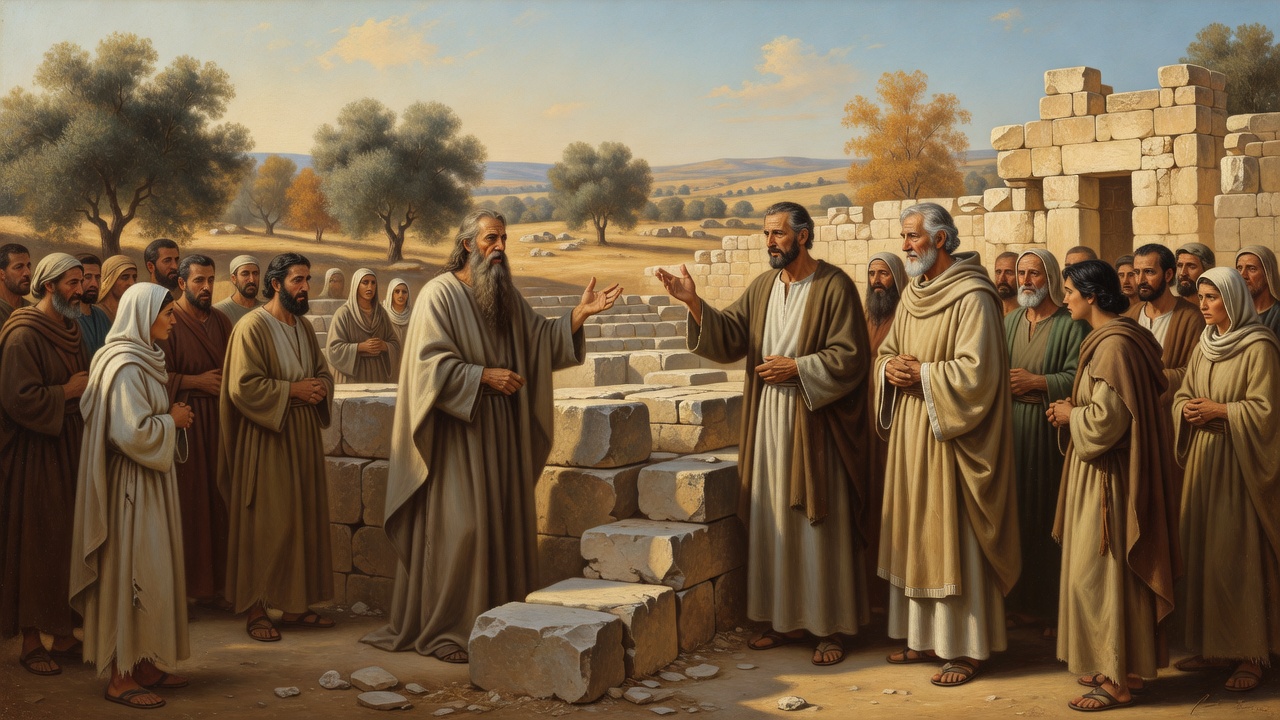
1Le ɣleti adrelia ƒe ŋkeke blaeve-vɔ-ɖekɛlia gbe la, Yehowa ƒe gbe va to Nyagblɔɖila Hagai dzi be, 2“Gblɔ na Zerubabel, Sealtiel ƒe vi, ame si nye Yudatɔwo ƒe anyigbadziɖulagã kple nunɔlaga Yosua, Yehozadak ƒe vi kple Yudatɔwo ƒe ame mamlɛawo eye nàbia wo be, 3‘Mia dometɔ kae ate ŋu aɖo ŋku ale si gbedoxɔ la ƒe atsyɔ̃ nɔ tsã la dzi? Aleke miele esia kpɔm fifiae? Ɖe wòɖi nane le mia ŋkumea? 4Ke azɔ la, Oo Zerubabel, lé dzi ɖe ƒo eye nàdo ŋusẽ nu’ Yehowae gblɔe. ‘Sẽ ŋu, Oo Yosua, Yehozadak ƒe avi, nunɔlagã, sẽ ŋu, mi anyigbadzitɔwo katã eye miawɔ dɔ.’ Yehowae gblɔe. ‘Elabena nye la meli kpli mi.’ Yehowa, Dziƒoʋakɔwo ƒe Aƒetɔ lae gblɔe. 5‘Esiae nye nu si mebla kpli mi esi miedo go tso Egipte be, nye Gbɔgbɔ la anɔ mia me. Migavɔ̃ o.’
6“Esiae nye nya si Yehowa, Dziƒoʋakɔwo ƒe Aƒetɔ la, gblɔ, ‘Madidi o la, maʋuʋu dziƒo kple anyigba, atsiaƒu kple ƒuƒuiƒe siaa. 7Maʋuʋu dukɔwo katã, woatsɔ woƒe kesinɔnuwo ava afii eye gbedoxɔ la ayɔ kple ŋutikɔkɔe.’ Yehowa, Dziƒoʋakɔwo ƒe Aƒetɔ lae gblɔe. 8‘Klosalo la tɔnyee, eye sika hã tɔnyee.’ Yehowa, Dziƒoʋakɔwo ƒe Aƒetɔ lae gblɔe. 9‘Gbedoxɔ yeye la ƒe atsyɔ̃ gbɔ gbedoxɔ xoxoa ƒe atsyɔ̃ ŋu sãa.’ Yehowa, Dziƒoʋakɔwo ƒe Aƒetɔ lae gblɔe. ‘Eye le teƒe sia makɔ nye ŋutifafa ɖo.’ Yehowa, Dziƒoʋakɔwo ƒe Aƒetɔ lae gblɔe.”
Yayrawo na ame siwo ŋuti mekɔ o
10Le ɣleti asiekɛlia ƒe ŋkeke blaeve-vɔ-enelia dzi le Fia Darius ƒe ƒe evelia me la, Yehowa ƒe gbe va na Nyagblɔɖila Hagai be, 11“Ale Yehowa, Dziƒoʋakɔwo ƒe Aƒetɔ la gblɔe nye esi: ‘Mibia nu si se la gblɔ la nunɔlawo, 12ne mia dometɔ aɖe tsɔ lã kɔkɔe aɖe xatsa ɖe eƒe awu me, eye wògblɔ be lã kɔkɔe sia ka abolo alo detsi, wain, ami alo nuɖuɖu bubu aɖe ŋuti la, ɖe wòwɔ nu siawo kɔkɔea?’ ”
Nunɔlaawo ɖo eŋu be, “Ao.”
13Hagai gabia be, “Ekema ne ame aɖe ka asi ame kuku ŋuti, eye wòzu ame makɔmakɔ, hafi wòka asi nuɖuɖu siawo ƒe ɖe ŋuti la, ɖe nu siawo hã zu nu makɔmakɔa?”
Nunɔlaawo ɖo eŋu be, “Ɛ̃, wozu nu makɔmakɔwo.”
14Azɔ Hagai gblɔ na wo be, “Yehowa be nenema ame siawo kple dukɔ sia le le nye ŋkume. Nu sia nu si miewɔ kple nu sia nu si mietsɔ sa vɔe la ŋuti mekɔ o.” Yehowae gblɔe.
15“ ‘Eya ta, mibu ta me le nu siawo ŋu nyuie tso fifia yina, mibu ale si nuwo nɔ hafi woɖo kpe ɖe kpe dzi hena Yehowa ƒe gbedoxɔ la tutu ŋu. 16Tsã la, ne miedzidze bli dzidzenu blaeve da ɖi eye emegbe ne mietrɔ yi ɖadzidzee la dzidzenu ewo ko wòtsina. Nenema ke, le wainfiaƒe, ne miedzidze wain ahago blaatɔ̃ da ɖi la, ahago blaeve ko wòtsina ne miegayi ɖadzidzee. 17Meda tohehe ɖe miaƒe asinudɔwɔwɔwo katã dzi kple ŋɔviwo, ale miaƒe bli gblẽ le agble dzi eye tsikpe dza ɖe miaƒe nukuwo dzi gake miegbe tɔtrɔ ɖe ŋunye.’ Yehowae gblɔe.
18“ ‘Ke tso egbe, ɣleti asiekɛlia ƒe ŋkeke blaeve-vɔ-enelia dzi, gbe si gbe woɖo Yehowa ƒe gbedoxɔ gɔme anyi la, milé ŋku ɖe eŋu nyuie. Mibu eŋu kpɔ: 19Ɖe nuku siwo woƒãna la ƒe ɖewo ganɔ ava mea? Va se ɖe fifia la, wainka, gboti, yevuboɖati kple amiti metse ku haɖe o.
“ ‘Gake tso egbeŋkeke sia dzi la, mayra mi.’ ”
Zerubabel, Yehowa ƒe ŋkɔsigɛ
20Yehowa ƒe gbe va na Hagai zi evelia le ɣletia ƒe ŋkeke blaeve-vɔ-enelia dzi be, 21“Gblɔ na Zerubabel, Yudatɔwo ƒe anyigbadziɖulagã la be, maʋuʋu dziƒo kple anyigba. 22Mamu fiaɖuƒewo ƒe fiazikpuiwo aƒu anyi eye makaka dzronyigbadzifiaɖuƒewo. Mamu tasiaɖamwo kple wo me nɔlawo aƒu anyi eye sɔwo kple wo dolawo atsrɔ̃ eye ame sia ame atsi ehavi ƒe yi nu.”
23Ale Yehowa, Dziƒoʋakɔwo ƒe Aƒetɔ la gblɔe nye esi, “ ‘Le ŋkeke ma dzi la, matsɔ wò, nye dɔla Zerubabel, Sealtiel ƒe vi, Yehowae gblɔe eye mawɔ wò nye ŋkɔsigɛe elabena metia wò.’ Yehowa, Dziƒoʋakɔwo ƒe Aƒetɔ lae gblɔe.”
Did you know?
The Promise of Future Glory
- When the foundation of the second temple was laid after the return from Babylon, older members of the community could still remember the magnificence of the original temple destroyed by Nebuchadnezzar. In response to their discouragement at the modest new structure, Haggai declared that the future glory of this house would surpass its former splendor.Sources: the Bible text itself · Zerubbabel · Haggai
- Haggai consulted the priests on questions of ritual law to illustrate a moral point. According to their rulings, holiness was not easily transmitted through indirect contact, whereas ceremonial defilement—such as from touching a corpse—spread immediately, mirroring how their past neglect had affected their offerings and harvests.Sources: the Bible text itself
- The restoration of the community was led by two key figures: Zerubbabel son of Shealtiel, who served as the civil governor, and Joshua son of Jehozadak, the high priest. At the end of the chapter, Haggai addresses Zerubbabel with the royal imagery of a signet ring, symbolizing divine authority and choice.Sources: the Bible text itself · Zerubbabel · Joshua
Notes written with AI assistance from open sources (Theographic Bible Metadata, CC BY-SA 4.0; Easton’s Bible Dictionary, public domain) and reviewed before publishing.
Places in this chapter
- Egypt · 30.129, 31.308 · verse 5
Only places identified with high confidence are shown (90% or more according to the scholarly sources compiled by OpenBible). Period map: DARE (Digital Atlas of the Roman Empire), CC BY 4.0; modern map: © OpenStreetMap contributors; places: OpenBible.info (CC BY 4.0).
Credits and license for this translation
Biblica® Se aɖeke mebla Biblia zazã o Agbenya La™ Éwé: Biblica® Se aɖeke mebla Biblia zazã o Agbenya La™ (Bible) of Ghana copyright © 1988, 2006, 2020 Biblica, Inc. Language: eʋegbe Contributor: Biblica, Inc. Dɔwɔƒe si na wò asi ka agbalẽ sia lae nye Creative Commons Attribution-ShareAlike 4.0 International License (CC BY-SA). Ne èdi be yeakpɔ laisensi alo mɔɖegbalẽ sia la, yi ɖe http://creativecommons.org/licenses/by-sa/4.0 alo ŋlɔ agbalẽ na Creative Commons Dɔwɔƒea to adrɛsi sia dzi: Creative Commons, PO Box 1866, Mountain View, CA 94042, USA. Biblica, Inc. na wode Biblica® kple eƒe dzesidenu agbalẽ me, eye woaŋlɔ agbalẽ axɔ mɔɖeɖe tso Biblica, Inc. gbɔ hafi woawɔ Biblica® ƒe dzesidenu la ŋu dɔ. Le CC BY-SA ƒe mɔɖeɖe ƒe sewo nu la, àte ŋu azã agbalẽ sia me nyawo le dɔ bubuwo wɔwɔ me gake ele be nàde dzesi Biblica ƒe dzesidenu la abe ale si wòle ene. Ne ètrɔ asi le agbalẽ sia ŋu alo zãe le mɔ bubu nu la, ele be nàɖe Biblica® ƒe dzesidenu la ɖa. Ele be nàde dzesi tɔtrɔ siwo nèwɔ la ɖe agbalẽ la me eye nàde dzesii be: “Àte ŋu akpɔ Biblica, Inc. ƒe dɔ gbãtɔ le www.biblica.com kple open.bible femaxee.” Ele be nutɔnyenye ƒe dzeside nadze le agbalẽ la ƒe axa si tanya alo nutɔnyenye ƒe dzesi nɔna la ale: Biblica® Se aɖeke mebla Biblia zazã o Agbenya La™ Nutɔnyenye © 1988, 2006, 2020 Biblica, Inc. Biblica® Open Ewe Contemporary Scriptures™ Copyright © 1988, 2006, 2020 by Biblica, Inc. Biblica, Inc. na Dɔwɔƒe si Kpɔa Nutɔnyenye kple Adzɔdodo ƒe Nyawo dzi le Amerika la de “Biblica” kple eƒe dzesidenu agbalẽ me. Woaxɔ mɔɖeɖe na ezazã. “Biblica” is a trademark registered in the United States Patent and Trademark Office by Biblica, Inc. Used with permission. Ele be nàna míaƒe asi naka wò agbalẽ la le laisensi alo mɔɖeɖe ƒe se (CC BY-SA) sia nu. Ne èdi be yeana nyanya Biblica, Inc. tso agbalẽ sia zazã ŋu la, anyo be nàdo ta ɖe mía gbɔ le https://open.bible/contact-us. This work is made available under the Creative Commons Attribution-ShareAlike 4.0 International License (CC BY-SA). To view a copy of this license, visit http://creativecommons.org/licenses/by-sa/4.0 or send a letter to Creative Commons, PO Box 1866, Mountain View, CA 94042, USA. Biblica® is a trademark registered by Biblica, Inc., and use of the Biblica® trademark requires the written permission of Biblica, Inc. Under the terms of the CC BY-SA license, you may copy and redistribute this unmodified work as long as you keep the Biblica® trademark intact. If you modify a copy or translate this work, thereby creating a derivative work, you must remove the Biblica® trademark. On the derivative work, you must indicate what changes you have made and attribute the work as follows: “The original work by Biblica, Inc. is available for free at www.biblica.com and open.bible.” Notice of copyright must appear on the title or copyright page of the work as follows: Biblica® Se aɖeke mebla Biblia zazã o Agbenya La™ Nutɔnyenye © 1988, 2006, 2020 Biblica, Inc. Biblica® Open Ewe Contemporary Scriptures™ Copyright © 1988, 2006, 2020 by Biblica, Inc. Biblica, Inc. na Dɔwɔƒe si Kpɔa Nutɔnyenye kple Adzɔdodo ƒe Nyawo dzi le Amerika la de “Biblica” kple eƒe dzesidenu agbalẽ me. Woaxɔ mɔɖeɖe na ezazã. “Biblica” is a trademark registered in the United States Patent and Trademark Office by Biblica, Inc. Used with permission. You must also make your derivative work available under the same license (CC BY-SA). If you would like to notify Biblica, Inc. regarding your translation of this work, please contact us at https://open.bible/contact-us. This translation is made available to you under the terms of the Creative Commons Attribution Share-Alike license 4.0. You have permission to share and redistribute this Bible translation in any format and to make reasonable revisions and adaptations of this translation, provided that: You include the above copyright and source information. If you make any changes to the text, you must indicate that you did so in a way that makes it clear that the original licensor is not necessarily endorsing your changes. If you redistribute this text, you must distribute your contributions under the same license as the original. Pictures included with Scriptures and other documents on this site are licensed just for use with those Scriptures and documents. For other uses, please contact the respective copyright owners. Note that in addition to the rules above, revising and adapting God's Word involves a great responsibility to be true to God's Word. See Revelation 22:18-19. 2025-05-01
Source: http://ebible.org/ewe/ · eBible.org