Deuteronomy 33
Biblica® Se aɖeke mebla Biblia zazã o Agbenya La™ · Tap a verse to see its cross-references.
Mose yra Israel ƒe toawo
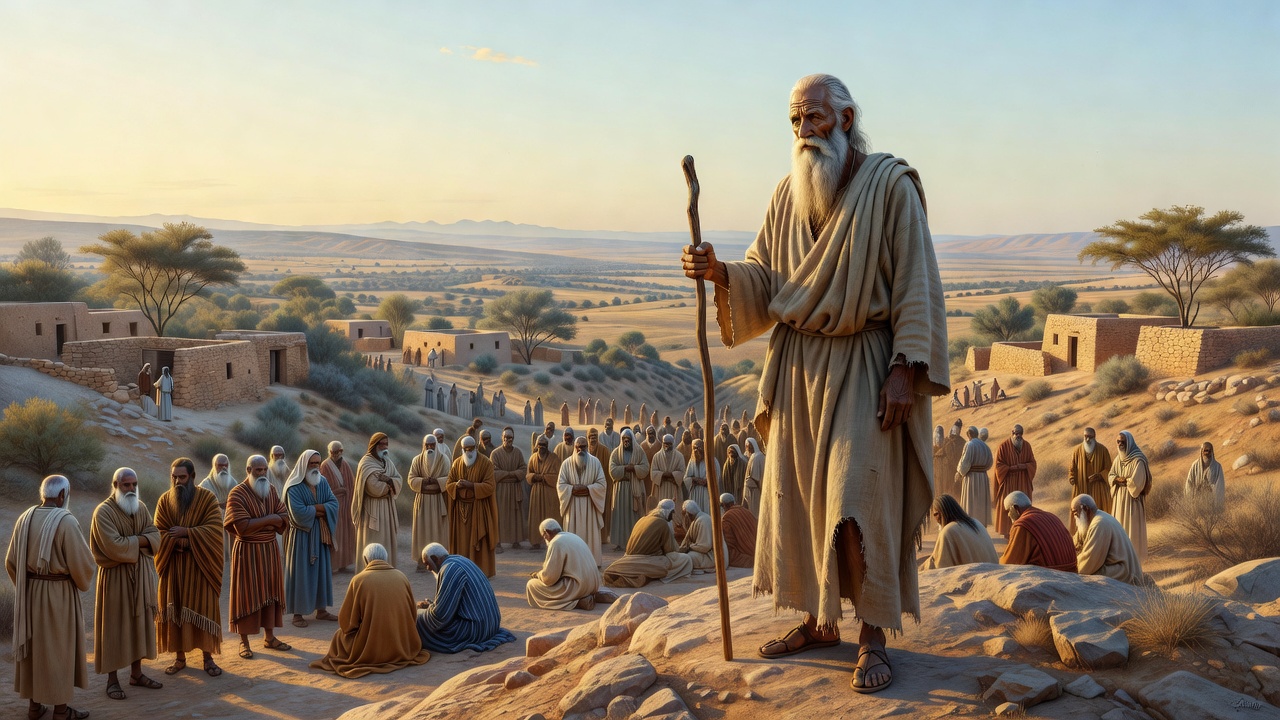
1Esiawoe nye nya siwo Mose, Mawu ƒe ame la tsɔ yra Israelviwo hafi ku:
2“Yehowa va mía gbɔ
le Sinai to la gbɔ;
eɖiɖi ɖe mía dzi
tso Seir to la dzi.
Eklẽ tso Paran to la dzi
ame kɔkɔe akpe nanewo ƒo xlãe,
dzo bibi nɔ eƒe nuɖusime.
3Elɔ̃ eƒe amewo ŋutɔ
eƒe ame kɔkɔewo le eƒe asi me
wole wò afɔtoƒe tom
woxɔ woƒe ɖoɖowo tso gbɔwò.
4Wò se siwo mede na wo la,
esiwo nye Yakob ha la ƒe domenyinu.
5Yehowa zu fia le Yesurun
esime Israel ƒe towo kpe ta.
6“Ruben anɔ agbe tegbee
eƒe dzidzimeviwo asɔ gbɔ!”
7Eye Mose gblɔ tso Yuda ŋu be:
“O! Yehowa, se Yuda ƒe kokoƒoƒo,
na wòawɔ ɖeka kple Israel
wɔ aʋa kple eƒe futɔwo nɛ.”
8Mose gblɔ tso Levi ƒe viwo ŋu be:
“Tsɔ wò Urim kple Tumim
na wò ame kɔkɔe Levi.
Èdo Levi kpɔ le Masa;
nèwɔ dzre kplii le Meriba tsia gbɔ.
9Ewɔ wò ɖoɖowo dzi,
ewu nu vɔ̃ wɔla geɖewo,
eya ŋutɔ ƒe viwo, nɔviŋutsuwo,
fofowo kple dadawo gɔ̃ hã.
10Levitɔwo afia Mose ƒe seawo Israel
woasubɔ wò le dzudzɔdovɔsamlekpui
kple numevɔsamlekpui la dzi.
11O! Yehowa, yra Levitɔwo
kpɔ ŋudzedze le woƒe dɔ
siwo wowɔna na wò la ŋu.
Fiti woƒe futɔwo gbidigbidi
na womagafɔ gbeɖe o.”
12Mose gblɔ tso Benyamin ŋu be,
“Yehowa ƒe lɔlɔ̃tɔe wònye
ele dedie le egbɔ
Yehowa tsɔ ametakpɔkpɔ ƒo xlãe,
ɖenɛ tso dzɔgbevɔ̃e ɖe sia ɖe me.”
13Mose gblɔ tso Yosef ƒe to la ŋu be,
“Yehowa nayra eƒe anyigba
kple nunana nyuitɔwo tso dziƒo
kple esiwo tso anyigba ƒe tume.
14Yehowa nayrae kple nuku nyuitɔwo
tso esiwo ɣe nana wotsina la dome
wòana nuwoe fũu ɣleti sia ɣleti
15nuku siwo wɔna nyuie le towo dzi
kple esiwo wɔna nyuie le togbɛwo dzi,
16Yehowa nayrae kple nunana nyuitɔwo
kple anyigbadzinu geɖewo,
kpakple Mawu, ame si ɖe eɖokui fia
le ŋuve ƒe bibi me la ƒe amenuveve.
Yayra siawo katã nava Yosef dzi.
Ame si nye fiavi le nɔviawo dome.
17Ele abe nyitsuvi ene
Le ŋusẽ kple ɖekadzedze me.
Eto dzo abe to ƒe dzowo ene;
Wòawo wòatsɔ tu dukɔwo aƒu anyi le afi sia afi.
Esiae nye nye yayra na Efraim ƒe ame akpe nanewo
kple Manase tɔ akpe akpewo.”
18Mose gblɔ tso Zebulon ŋu be,
“O! Zebulon, tso aseye
le wò gododo ŋuti,
eye Isaka, kpɔ dzidzɔ
wò ame si lɔ̃a agbadɔmenɔnɔ.
19Woawoe akpe amewo
be woaɖu yewoƒe vɔsanuwo kple yewo.
Kpɔ ɖa, woaɖu atsiaƒumenu nyuiwo
kple nu nyuitɔwo tso anyigba me.”
20Mose gblɔ tso Gad ŋu be,
“Woayra Gad ƒe kpeɖeŋutɔwo,
Gad tsyɔ akɔ anyi abe dzata ene
be yeavuvu abɔ kple ta.
21Wotsɔ anyigba ƒe nyuiƒewo
na wo ɖokuiwo;
wotsɔ kplɔla ƒe ɖuƒewo na wo.
Wowɔ Yehowa ƒe sewo kple ɖoɖowo dzi.”
22Mose gblɔ tso Dan ŋu be,
“Dan le abe dzatavi
si le kpo tim tso Basan ene.”
23Egblɔ tso Naftali ŋu be:
“O! Naftali, Yehowa yra wò ŋutɔ.
Wò anyigba ɖo anyigbeme
tso Galilea ƒu la nu.”
24Mose gblɔ tso Asar ŋu be:
“Woayra Aser wu to bubuawo katã;
wokpɔ ŋudzedze le eŋu wu nɔviawo,
amiti geɖewo amie na wò.
25Woatsɔ gayibɔ kple akɔbli atu wò du ƒe agbowoe
àkpɔ ŋusẽ le wò ŋkekewo katã me!
26Ame aɖeke mede Yehowa,
Yesurun ƒe Mawu la nu o.
Eɖiɖina tso dziƒo
Le fianyenye kple ŋutikɔkɔe me
be yeaxɔ na wò.
27Mawu mavɔ lae nye wò sitsoƒe,
eƒe abɔ mavɔ la le anyigba te.
Enyaa wò futɔwo ɖa le ŋgɔwò
eyae gblɔ na mi be,
‘Mitsrɔ̃ wo!’
28Ale Israel nɔa anyi dedie;
le anyigba si dzi bli kple wain bɔ ɖo,
eye tsi dzana tso dziƒo ɖo.
29Woayra wò, Israel, ŋutɔŋutɔ!
Ame bubu kae gakpɔ ɖeɖe
tso Yehowa gbɔ?
Wò akpoxɔnu kple kpeɖeŋutɔe!
Eyae nye wò yi ɖaɖɛ la.
Wò futɔwo ade ta agu le ŋgɔwò
eye nànya avuzi le wo dzi!”
Did you know?
Moses’ Final Blessing on the Tribes
- The poem opens with a vivid description of God appearing from the southern wilderness, explicitly naming Sinai, Seir, and Mount Paran to portray the Lord dawning like the sun over his gathered people.Sources: the Bible text itself · Sinai · Seir · Mount Paran
- The blessing for the tribe of Levi emphasizes their sacred duties: consulting the Urim and Thummim, offering incense and burnt offerings at the altar, and teaching God’s ordinances and laws to the assembly of Israel.Sources: the Bible text itself · Massah · Meribah (of Horeb)
- Joseph’s blessing anticipates great fertility and military strength, specifically mentioning both Ephraim and Manasseh, the two tribal lineages descended from Joseph’s sons born in Egypt.Sources: the Bible text itself · Joseph (son of Jacob) · Ephraim · Manasseh (son of Joseph)
Notes written with AI assistance from open sources (Theographic Bible Metadata, CC BY-SA 4.0; Easton’s Bible Dictionary, public domain) and reviewed before publishing.
Places in this chapter
- Meribah · Today: Ain el Qudeirat · 30.648, 34.422 · verse 2
- Meribah · Today: within 500 m of Wadi Rufaiyil · 28.623, 33.880 · verse 8
- Bashan · 32.781, 35.935 · verse 22
Only places identified with high confidence are shown (90% or more according to the scholarly sources compiled by OpenBible). Period map: DARE (Digital Atlas of the Roman Empire), CC BY 4.0; modern map: © OpenStreetMap contributors; places: OpenBible.info (CC BY 4.0).
Credits and license for this translation
Biblica® Se aɖeke mebla Biblia zazã o Agbenya La™ Éwé: Biblica® Se aɖeke mebla Biblia zazã o Agbenya La™ (Bible) of Ghana copyright © 1988, 2006, 2020 Biblica, Inc. Language: eʋegbe Contributor: Biblica, Inc. Dɔwɔƒe si na wò asi ka agbalẽ sia lae nye Creative Commons Attribution-ShareAlike 4.0 International License (CC BY-SA). Ne èdi be yeakpɔ laisensi alo mɔɖegbalẽ sia la, yi ɖe http://creativecommons.org/licenses/by-sa/4.0 alo ŋlɔ agbalẽ na Creative Commons Dɔwɔƒea to adrɛsi sia dzi: Creative Commons, PO Box 1866, Mountain View, CA 94042, USA. Biblica, Inc. na wode Biblica® kple eƒe dzesidenu agbalẽ me, eye woaŋlɔ agbalẽ axɔ mɔɖeɖe tso Biblica, Inc. gbɔ hafi woawɔ Biblica® ƒe dzesidenu la ŋu dɔ. Le CC BY-SA ƒe mɔɖeɖe ƒe sewo nu la, àte ŋu azã agbalẽ sia me nyawo le dɔ bubuwo wɔwɔ me gake ele be nàde dzesi Biblica ƒe dzesidenu la abe ale si wòle ene. Ne ètrɔ asi le agbalẽ sia ŋu alo zãe le mɔ bubu nu la, ele be nàɖe Biblica® ƒe dzesidenu la ɖa. Ele be nàde dzesi tɔtrɔ siwo nèwɔ la ɖe agbalẽ la me eye nàde dzesii be: “Àte ŋu akpɔ Biblica, Inc. ƒe dɔ gbãtɔ le www.biblica.com kple open.bible femaxee.” Ele be nutɔnyenye ƒe dzeside nadze le agbalẽ la ƒe axa si tanya alo nutɔnyenye ƒe dzesi nɔna la ale: Biblica® Se aɖeke mebla Biblia zazã o Agbenya La™ Nutɔnyenye © 1988, 2006, 2020 Biblica, Inc. Biblica® Open Ewe Contemporary Scriptures™ Copyright © 1988, 2006, 2020 by Biblica, Inc. Biblica, Inc. na Dɔwɔƒe si Kpɔa Nutɔnyenye kple Adzɔdodo ƒe Nyawo dzi le Amerika la de “Biblica” kple eƒe dzesidenu agbalẽ me. Woaxɔ mɔɖeɖe na ezazã. “Biblica” is a trademark registered in the United States Patent and Trademark Office by Biblica, Inc. Used with permission. Ele be nàna míaƒe asi naka wò agbalẽ la le laisensi alo mɔɖeɖe ƒe se (CC BY-SA) sia nu. Ne èdi be yeana nyanya Biblica, Inc. tso agbalẽ sia zazã ŋu la, anyo be nàdo ta ɖe mía gbɔ le https://open.bible/contact-us. This work is made available under the Creative Commons Attribution-ShareAlike 4.0 International License (CC BY-SA). To view a copy of this license, visit http://creativecommons.org/licenses/by-sa/4.0 or send a letter to Creative Commons, PO Box 1866, Mountain View, CA 94042, USA. Biblica® is a trademark registered by Biblica, Inc., and use of the Biblica® trademark requires the written permission of Biblica, Inc. Under the terms of the CC BY-SA license, you may copy and redistribute this unmodified work as long as you keep the Biblica® trademark intact. If you modify a copy or translate this work, thereby creating a derivative work, you must remove the Biblica® trademark. On the derivative work, you must indicate what changes you have made and attribute the work as follows: “The original work by Biblica, Inc. is available for free at www.biblica.com and open.bible.” Notice of copyright must appear on the title or copyright page of the work as follows: Biblica® Se aɖeke mebla Biblia zazã o Agbenya La™ Nutɔnyenye © 1988, 2006, 2020 Biblica, Inc. Biblica® Open Ewe Contemporary Scriptures™ Copyright © 1988, 2006, 2020 by Biblica, Inc. Biblica, Inc. na Dɔwɔƒe si Kpɔa Nutɔnyenye kple Adzɔdodo ƒe Nyawo dzi le Amerika la de “Biblica” kple eƒe dzesidenu agbalẽ me. Woaxɔ mɔɖeɖe na ezazã. “Biblica” is a trademark registered in the United States Patent and Trademark Office by Biblica, Inc. Used with permission. You must also make your derivative work available under the same license (CC BY-SA). If you would like to notify Biblica, Inc. regarding your translation of this work, please contact us at https://open.bible/contact-us. This translation is made available to you under the terms of the Creative Commons Attribution Share-Alike license 4.0. You have permission to share and redistribute this Bible translation in any format and to make reasonable revisions and adaptations of this translation, provided that: You include the above copyright and source information. If you make any changes to the text, you must indicate that you did so in a way that makes it clear that the original licensor is not necessarily endorsing your changes. If you redistribute this text, you must distribute your contributions under the same license as the original. Pictures included with Scriptures and other documents on this site are licensed just for use with those Scriptures and documents. For other uses, please contact the respective copyright owners. Note that in addition to the rules above, revising and adapting God's Word involves a great responsibility to be true to God's Word. See Revelation 22:18-19. 2025-05-01
Source: http://ebible.org/ewe/ · eBible.org