Revelation 7
Eyacuiñajjija Esohui · Tap a verse to see its cross-references.
Jesosaja epeejji bahua tehue canaje Jodio cuanaja ojjañaja ebajji
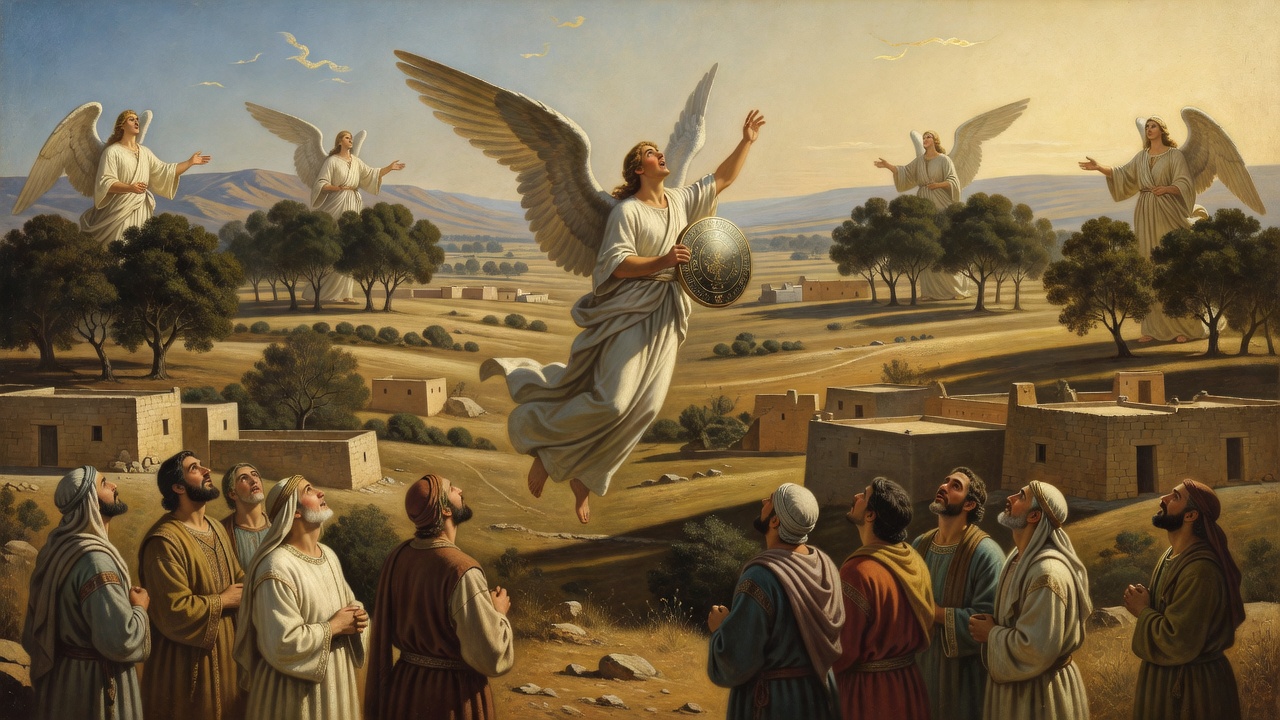
1Majoya eyaya banaje ebeca pee peaꞌai esohuidojojji cuana. Eyacuiñajji onijje miminaje beni cuana ehuoojeajji pojjeamajo. Beni quea quemo dejja cuana napajji meshi cuana huasijje, bae ai cuana huasijje, acui cuana huasijje epoqui poaje jjejojoya iña cani esohuidojojji cuaa. 2Majoya eyaya pea esohuidojojji banaje; eshequi poeje mijijje poeyanaje. Ohuaya aquiana etehuejji ye canaje Eyacuiñajjija epeejji cuana bahua tehuejji ojjañaja ebajji. Ma esohuidojojji ebeca pee peaꞌai cuana huasijje taaanaje meshi cuana, bae cuana peaꞌai enapa ca poaje jjejojo. Jama poanaje baꞌa: 3—¡Ishoa socue! ¡Meshi, bae ai, acui cuana peaꞌai aꞌa jinapajji soꞌo! ¡Eyaya Eyacuiñajjija epeejji Jodio cuana Eyacuiñajjija bajjani ojjañaja ebajji cabahua tehuesahua! —ma esohuidojojji poanaje.
4¿Ache huiso tehue canaje ebahuajje Eyacuiñajjija bajjani ojjañaja ebajji? Eyaya shajjaꞌajjanaje jama baꞌa: —Jodio cuana Eyacuiñajjija bajjani quea huiso nee nee tehue canaje ebahuajje, 144.000 huisome. Jodio etiiquianaja Isaenija bacua ejja 12 cuana poa. Ojaya osecua cuana tehue canaje. 5Jama tehueme acanaje baꞌa:
Jodaja osecua cuana 12.000 huisome;
Shobenija osecua cuana 12.000 huisome;
Janeja oya jayojjaya 12.000 huisome;
6Aseneja oya jayojjaya 12.000 huisome;
Netanija jamaya peaꞌai 12.000 huisome;
Manaseja osecua cuana 12.000 huisome;
7Simeonija osecua cuana 12.000 huisome;
Nemija osecua cuana 12.000 huisome;
Isacanija osecua cuana 12.000 huisome;
8Sabononija oya jayojjaya 12.000 huisome;
Joseja oya jayojjaya 12.000 huisome;
Bejamija jamaya peaꞌai 12.000 huisome.
Mahuisoya Eyacuiñajjija bajjani tehue mee canaje Jodio cuanaja ebahuajje.
Quea huiso nee nee ojee nequi daqui oshe huoshoꞌyo epo
9Majoya eyaya banaje quea huiso nee nee pea cuana, Jodio pojjeama ojee echichaꞌyo nequi, daqui oshe nee nee huoshoꞌyo epo. Quea huiso nee nee poanijojo esicojji pojjeama. Oya cuana ojjaña meshijo baꞌe, ojjaña cuiñajjijo baꞌe peaꞌai poeyani. Dejja tehue cuana, Ese Ejja cuana, dejja nei cuana, ojjaña de, poeyani. Ojjaña pea esohuijo mimiani cuana poeyani peaꞌai. Ojjaña oya cuana Eyacuiñajji cojja nei nequi. Cuanaya Jesosa ñajjajja equecuaꞌyo jayojja cojja nei nequi yasijje poeyani ojjaña. Onajaya daqui ao quea oshe nee nee. Onaaya jjememe iña jeasohua cani Jesosa bihuiajji. 10Ojjaña cuana taaanaje jama baꞌa:
“Eyacuiñajji, miyaya ojjaña huoojeaña. Jesosa, miya manoꞌyonaje ñajjajja equecuaꞌyo jayojja. Eꞌe, miyaya ecuanaya baꞌe tiitii meeaña”.
Jamaya acanaje cuaa.
11Majoya ojjaña esohuidojojji eyajo cuana Jesosaja epeejji etii pejjejo nequi, ebeca pee peaꞌai aquiana eshe cuana pejjejo nequi peaꞌai, Eyacuiñajji ma ojjaña yiyesama neijje ani yasijje jjanequichipiquinaje. Eyacuiñajji ojjaña huoojeaꞌyojji poani bihuia canaje esohuidojojji cuanaa ecuiꞌoshajjajo nequiya. Jama poanaje baꞌa:
“¡Jamaya capoꞌyahua, Eyacuiñajji! Miya quea pame nee nee. Ojjaña miquea eba. Miya shajjaꞌajjaña tii tii ecuanaaya. Miya ojjaña huoojeajji enequi tii tii. Ojjañaa ecuanaaya miya bihuia tiitii aña. 12Miya quea caꞌa nee neejo ojjaña miyaya aña tii tii. ¡Eꞌe, jamaya capoꞌyahua tii tii!”
Ojjaña esohuidojojji jamaya sohuicuayanaje.
13Majoya Jesosaja epeejji etiiya eya huohuiꞌajja canaje jama baꞌa: —Huani, ojjaña jiquio echichaꞌyo nequi daqui oshe nei huoshoꞌyo epo ¿aꞌa miquea eba? ¿Achejje shai oya cuana poeyani soꞌo?
14Jamajjeya eyaya oya jama anaje baꞌa: —Chojja, ecuea ba jjima. Miyaya ca ya ca oe baña, de. ¡Che iña oe huohuicue!
Ohuaya eya sajaꞌa canaje jama baꞌa: —Onaya baꞌeꞌyonaje meshijo. Jesosa nijje jjapeequianijo, dejja mimishi cuaa oya cuana napa huichaꞌahuichaꞌa canaje. Jiquio ecua dejjaa daqui oshe tajja cajje quea boejea nee nee poani jayojja jama Jesosaa ojjañaja mimishi cuijea caꞌyajje quea boejea nee nee poani. Eꞌe, Jesosa ñajjajja shoꞌi equecuaꞌyo jayojja poanaje. Ojaya enaꞌ cuayaqui majje ojjañaja mimishi cuijeaꞌyojji poanaje. 15Jamajjeya oya cuana nequi mee caꞌyani Eyacuiñajji cojja neijo eyajo. Jomajo onaaya Eyacuiñajji nijje chaco tiitii cani quea bihui nee nee. Eyacuiñajji ojjaña huoojeaꞌyojji poani. Ohuaya ojaya epeejji cuana jaahuana tiitii cani. 16Ojaya epeejji cuana quea shoe pojjeama poajeꞌyo. Quea nabataja po ajja peaꞌai. Eshequijo quiyoꞌyo ajja, quea mano poꞌyo ajja peaꞌai. 17Eꞌe, Jesosa ñajjajja equecuaꞌyo jayojja Eyacuiñajji pejjejo nequi. Jiquio ecua ñajjajja cuiñajjiya ñajjajja cuana jaahuana cani, ena eteo ishi mee cani jama jayojja Jesosaa ojaya epeejji cuana jaahuana cani. Ojaya eꞌishijji ishi mee majje baꞌe tiitii mee cajeꞌyo onijje peaꞌai eyajo. Eyacuiñajjiya jaahuana canijo, oya cuana quea yeno po ajja. Paꞌyo ajja poajeꞌyo —jamaya Eyacuiñajjija epeejji etii poanaje.
Did you know?
The sealed tribes and the great multitude
- Revelation 7 numbers the sealed as 144,000, twelve thousand from each of the tribes of Israel named in the chapter. Israel was another name for Jacob, the second-born of the twin sons of Isaac and Rebekah; Easton's Bible Dictionary (1897) explains Jacob's name as someone who follows on another's heels, or a supplanter.Sources: the Bible text itself · Jacob (Israel)
- Although Reuben was the eldest son of Jacob and Leah, the list of the sealed begins with Judah and then names Reuben. The list also includes both Joseph and Manasseh; Manasseh was Joseph's elder son, and Jacob adopted him and his brother Ephraim as his own sons.Sources: the Bible text itself · Reuben · Manasseh (son of Joseph)
- After the sealing, the vision shows a multitude too large to count, from every nation, tribe, people, and tongue, standing before the throne and the Lamb, wearing white robes and holding palm branches. One of the elders says they have come out of the great tribulation and have washed their robes and made them white in the blood of the Lamb.Sources: the Bible text itself
Notes written with AI assistance from open sources (Theographic Bible Metadata, CC BY-SA 4.0; Easton’s Bible Dictionary, public domain) and reviewed before publishing.
Credits and license for this translation
Eyacuiñajjija Esohui
New Testament in Ese Ejja (BL:ese:Ese Ejja)
copyright © 2012 Wycliffe Bible Translators, Inc.
Language: Ese Ejja
Translation by: Wycliffe Bible Translators, Inc.
Ese Ejja [ese], Bolivia
Copyright Information
© 2012, Wycliffe Bible Translators, Inc. All rights reserved.
This translation text is made available to you under the
terms of the Creative Commons License: Attribution-Noncommercial-No Derivative Works.
( http://creativecommons.org/licenses/by-nc-nd/3.0/ )
In addition, you have permission to port the text to different file formats, as long as you
do not change any of the text or punctuation of the Bible.
You may share, copy, distribute, transmit, and extract portions
or quotations from this work, provided that you include the above copyright
information:
You must give Attribution to the work.
You do not sell this work for a profit.
You do not make any derivative works that change any of the actual words or punctuation of the Scriptures.
Permissions beyond the scope of this license may be
available if you contact
us with your request.
The New Testament
in Ese Ejja
© 2012, Wycliffe Bible Translators, Inc. All rights reserved.
This translation is made available to you under the terms of the
Creative Commons Attribution-Noncommercial-No Derivatives license 4.0.
You may share and redistribute this Bible translation or extracts from it in any format, provided that:
You include the above copyright and source information.
You do not sell this work for a profit.
You do not change any of the words or punctuation of the Scriptures.
Pictures included with Scriptures and other documents on this site are licensed just for use with those Scriptures and documents.
For other uses, please contact the respective copyright owners.
2014-04-23
Source: http://ebible.org/eseNT/ · eBible.org