Psalms 39
Londona Biblio · Tap a verse to see its cross-references.
Al la ĥorestro Jedutun. Psalmo de David.
Mi diris: Mi gardos min sur miaj vojoj, ke mi ne peku per mia lango;
Mi bridos mian buŝon, kiam malpiulo staras kontraŭ mi.
2Mi estis muta kaj silenta, mi silentis eĉ pri bono;
Kaj mia sufero estis mordanta.
3Ekbrulis mia koro en mia interno,
En miaj pensoj ekflamis fajro,
Mi ekparolis per mia lango:
4Sciigu al mi, ho Eternulo, mian finon,
Kaj kia estos la daŭro de miaj tagoj,
Por ke mi sciu, kiel neniiĝa mi estas.
5Jen Vi donis al mi tagojn larĝajn kiel manplato,
Kaj la daŭro de mia vivo estas antaŭ Vi kiel nenio;
Absoluta vantaĵo estas ĉiu homo, kiel ajn forte li starus. Sela.
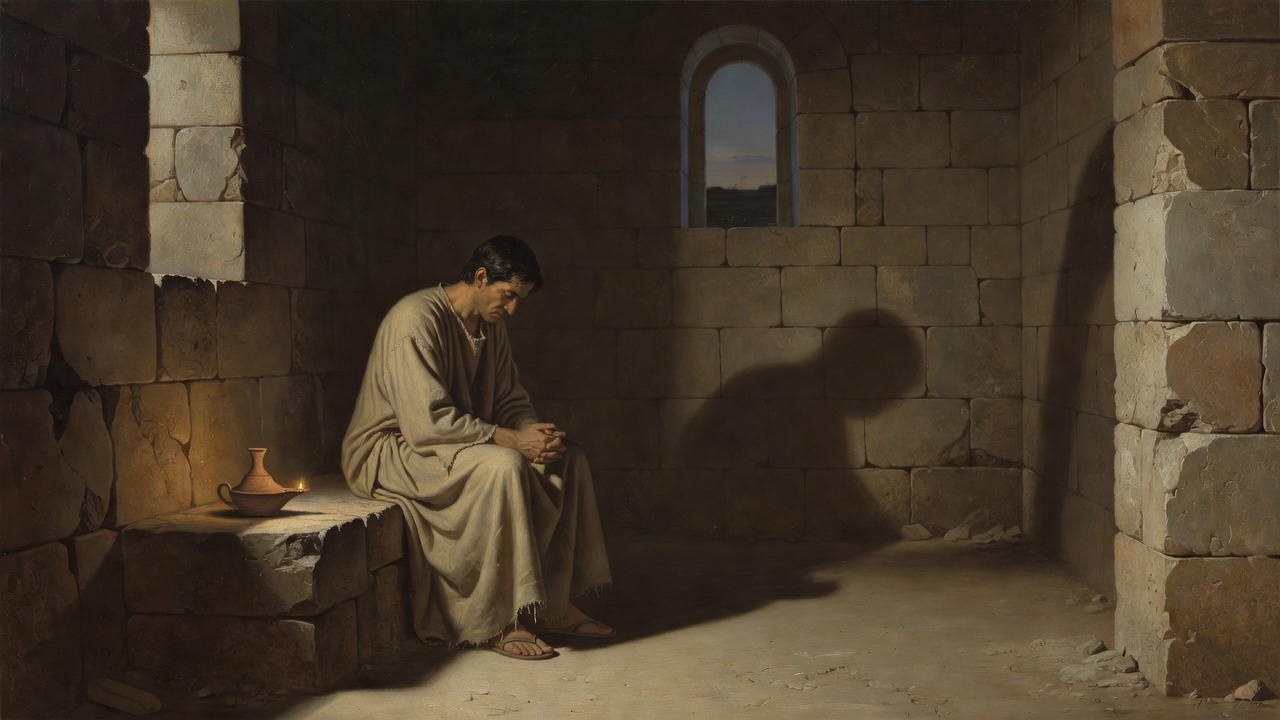
6Nur kiel fantomo iras la homo, nur vante li klopodas;
Li kolektas, kaj ne scias, kiu ĝin ricevos.
7Kaj nun kion mi devas esperi, mia Sinjoro?
Mia espero estas al Vi.
8De ĉiuj miaj pekoj liberigu min,
Ne lasu min fariĝi mokindaĵo por sensaĝulo.
9Mi mutiĝis, mi ne malfermos mian buŝon,
Ĉar Vi tion faris.
10Deturnu de mi Vian frapon;
De Via batanta mano mi pereas.
11Se Vi punas homon pro lia krimo,
Tiam lia beleco konsumiĝas kiel de tineoj.
Nur vantaĵo estas ĉiu homo. Sela.
12Aŭskultu mian preĝon, ho Eternulo, kaj atentu mian krion;
Al miaj larmoj ne silentu;
Ĉar migranto mi estas ĉe Vi,
Enmigrinto, kiel ĉiuj miaj patroj.
13Lasu min, ke mi vigliĝu,
Antaŭ ol mi foriros kaj ĉesos ekzisti.
Did you know?
The Frailty and Fleeting Nature of Human Life
- The superscription dedicates this composition to the choirmaster and to Jeduthun, attributing the prayer to David.Sources: the Bible text itself · David
- The psalm illustrates the brevity of human existence by describing human life as merely a handbreadth—an ancient unit of measurement based on the width of the palm—and as a passing breath or shadow.Sources: the Bible text itself
- The speaker identifies as a foreigner and a temporary guest dwelling with God, reflecting an attitude of complete dependence on divine mercy and hospitality.Sources: the Bible text itself
Notes written with AI assistance from open sources (Theographic Bible Metadata, CC BY-SA 4.0; Easton’s Bible Dictionary, public domain) and reviewed before publishing.
Credits and license for this translation
Londona Biblio
The Holy Bible in Esperanto (1910)
Public Domain
Language: Esperanto
2020-02-13
Source: http://ebible.org/epo/ · eBible.org