Psalms 32
Londona Biblio · Tap a verse to see its cross-references.
Instruo de David.
Feliĉa estas tiu, kies krimo estas pardonita, kies peko estas kovrita.
2Feliĉa estas la homo, al kiu la Eternulo ne kalkulas lian kulpon
Kaj en kies spirito estas nenia malvero.
3Kiam mi silentis, miaj ostoj senfortiĝis
De mia ĉiutaga ploregado.
4Ĉar tage kaj nokte pezis sur mi Via mano;
La freŝecon de mia sukoj anstataŭis sekeco de somero. Sela.
5Mian pekon mi konfesis al Vi, kaj mian kulpon mi ne kaŝis;
Mi diris: Mi konfesos miajn krimojn al la Eternulo;
Kaj Vi deprenis la kulpon de mia peko. Sela.
6Pro tio preĝu antaŭ Vi ĉiu piulo en favora tempo,
Por ke ĉe la disverŝiĝo de grandaj akvoj ili lin ne atingu.
7Vi estas mia ŝirmo;
Kontraŭ sufero Vi min gardos,
Per kantoj de savo Vi min ĉirkaŭos. Sela.
8Mi prudentigos vin, kaj montros al vi la vojon, kiun vi devas iri;
Kun konsiloj Mi direktos sur vin Mian okulon.
9Ne estu kiel ĉevalo, kiel senprudenta mulo,
Al kiuj oni devas kateni la buŝon per brido kaj buŝpeco,
Alie ili ne venos al vi.
10Multajn frapojn havas la malpiulo;
Sed kiu fidas la Eternulon, tiun ĉirkaŭas favoro.
11Ĝoju pro la Eternulo, kaj gaju, ho justuloj;
Kaj triumfu ĉiuj, kiuj havas pian koron!
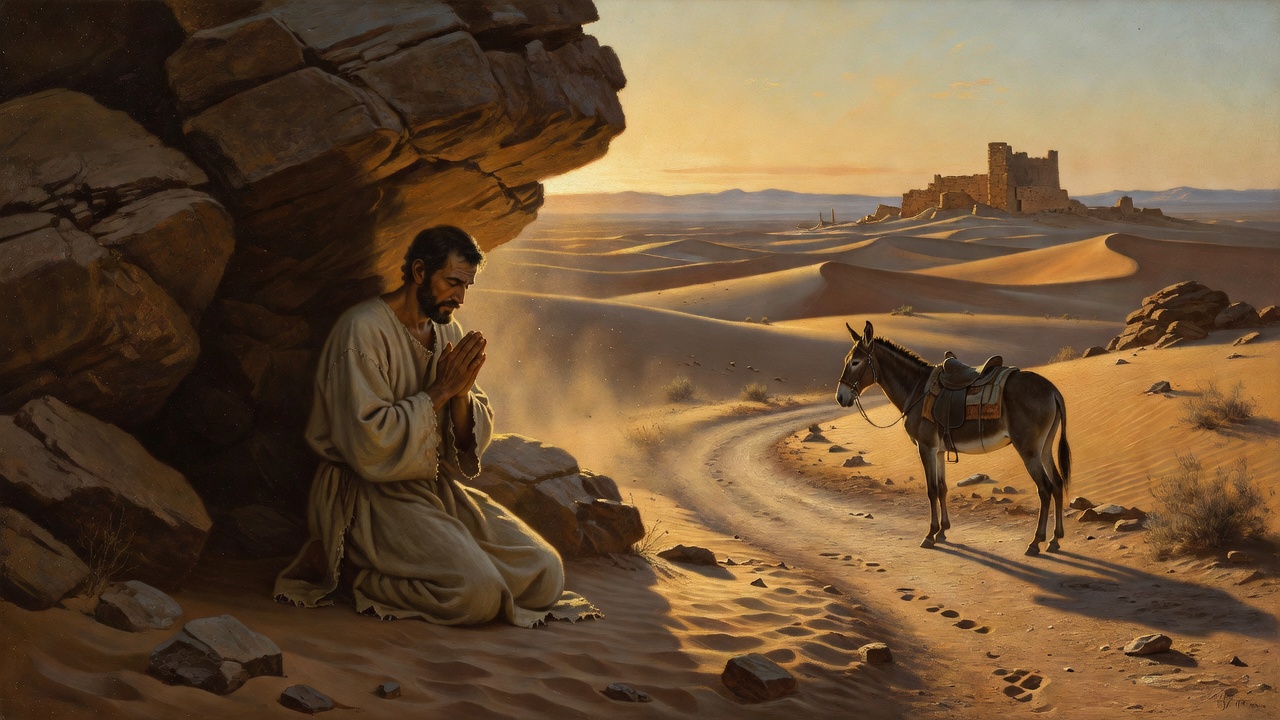
Did you know?
The Joy of Forgiveness and Guidance
- The psalm opens with the title designating it as a Maskil of David, a term traditionally associated with an instructional or contemplative song, reflecting on the contrast between the distress of hidden sin and the blessing of forgiveness.Sources: the Bible text itself
- The Hebrew term Selah appears three times in this psalm (verses 4, 5, and 7), commonly interpreted as a musical pause or a moment for reflection during the recitation of the text.Sources: the Bible text itself
- The psalm uses the imagery of working animals, contrasting the willing follower of divine counsel with stubborn horses and mules that require a bit and bridle to be guided.Sources: the Bible text itself
Notes written with AI assistance from open sources (Theographic Bible Metadata, CC BY-SA 4.0; Easton’s Bible Dictionary, public domain) and reviewed before publishing.
Credits and license for this translation
Londona Biblio
The Holy Bible in Esperanto (1910)
Public Domain
Language: Esperanto
2020-02-13
Source: http://ebible.org/epo/ · eBible.org