Ecclesiastes 6
Londona Biblio · Tap a verse to see its cross-references.
1Ekzistas malbono, kiun mi vidis sub la suno, kaj granda ĝi estas por la homo: 2se al iu homo Dio donas riĉecon kaj havon kaj honoron, kaj al lia animo mankas nenio, kion ajn li dezirus, sed Dio ne donas al li la povon konsumi ĝin, nur fremda homo ĝin konsumas — ĉi tio estas vantaĵo kaj malfacila doloro. 3Se iu homo naskigus cent infanojn kaj vivus multajn jarojn kaj atingus profundan aĝon, sed lia animo ne ĝuus sate la havon, kaj eĉ bonan enterigon li ne havus — tiam mi dirus: Pli feliĉa ol li estas abortito. 4Ĉar ĉi tiu vante venis kaj en mallumon foriris, kaj en mallumo kaŝiĝos lia nomo. 5Eĉ la sunon li ne vidis kaj ne konis — al li estas pli trankvile ol al tiu. 6Kaj se tiu homo vivus du mil jarojn kaj la bonon ne ĝuus, ĉu ne al unu loko ĉiuj iros? 7Ĉiuj laboroj de homo estas por lia buŝo, kaj tamen lia animo ne estas satigebla. 8Kaj kian superecon havas la saĝulo antaŭ malsaĝulo, la inteligenta malriĉulo antaŭ aliaj vivaj estaĵoj? 9Pli bone estas vidi per la okuloj, ol imagi en la animo; ankaŭ ĉi tio estas vantaĵo kaj ventaĵo.
10Kio ajn ekzistas, tio de longe havas nomon; kaj estas sciate, kia estas la homo, kaj ke li ne povas juĝe batali kun Tiu, kiu estas pli forta ol li. 11Ĉar ekzistas multe da aferoj, kiuj plimultigas la vantaĵon; kian do superecon havas la homo? 12Ĉar kiu scias, kio estas bona por la homo dum la tagoj de lia vanta vivo, kiun li pasigas kiel ombro? kaj kiu diros al la homo, kio estos post li sub la suno?
Did you know?
The Vanity of Unsatisfied Wealth
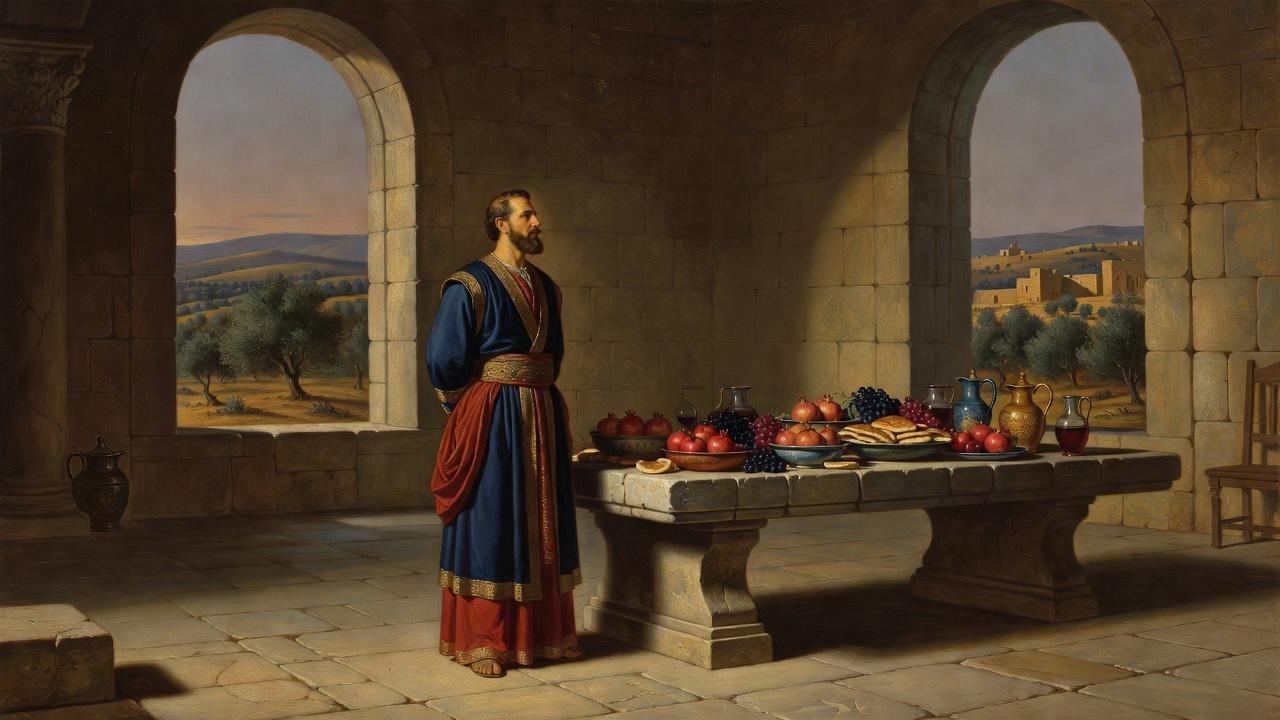
- In ancient thought, having a long life and fathering many children were considered the highest signs of blessing. Ecclesiastes observes, however, that even living two thousand years and fathering a hundred children is hollow if a person cannot enjoy their prosperity or receive a proper burial.Sources: the Bible text itself
- The author points out that although human labor is spent satisfying basic physical needs such as food, human appetite and desire remain continually unfulfilled. He contrasts enjoying what is directly present before the eyes with the ceaseless wandering of unsatisfied cravings.Sources: the Bible text itself
- The chapter emphasizes human limitations, noting that mortals cannot dispute with what has been established by one stronger than they are. Because life is fleeting like a shadow, humans cannot fully know what is truly good for them or foresee what will happen after they are gone.Sources: the Bible text itself
Notes written with AI assistance from open sources (Theographic Bible Metadata, CC BY-SA 4.0; Easton’s Bible Dictionary, public domain) and reviewed before publishing.
Credits and license for this translation
Londona Biblio
The Holy Bible in Esperanto (1910)
Public Domain
Language: Esperanto
2020-02-13
Source: http://ebible.org/epo/ · eBible.org