Ecclesiastes 4
Noah Webster Bible · Tap a verse to see its cross-references.
The Evil of Oppression
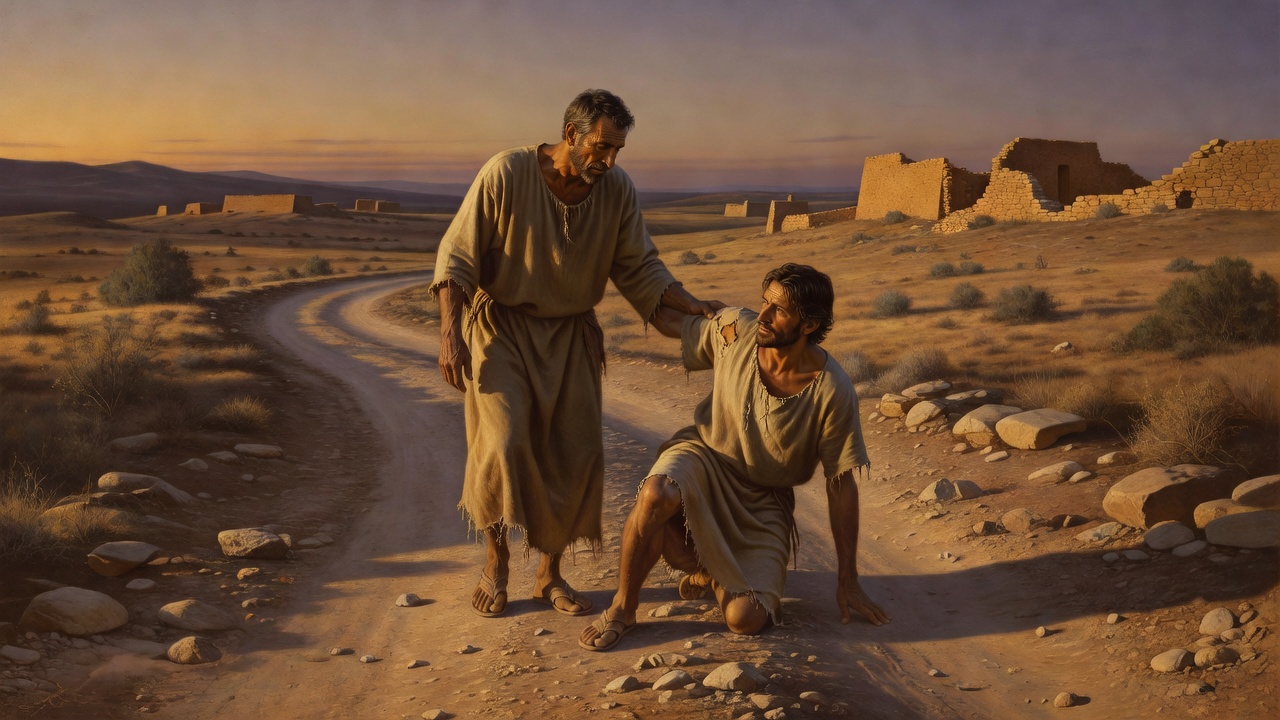
1So I returned, and considered all the oppressions that are done under the sun: and behold the tears of such as were oppressed, and they had no comforter; and on the side of their oppressors there was power; but they had no comforter. 2Wherefore I praised the dead who are already dead more than the living who are yet alive. 3Yes, better is he than both they, who hath not yet been, who hath not seen the evil work that is done under the sun. 4Again, I considered all labor, and every right work, that for this a man is envied by his neighbor. This is also vanity and vexation of spirit. 5The fool foldeth his hands together, and eateth his own flesh. 6Better is a handful with quietness, than both the hands full with toil and vexation of spirit. 7Then I returned, and I saw vanity under the sun. 8There is one alone , and there is not a second; yes, he hath neither child nor brother: yet is there no end of all his labor; neither is his eye satisfied with riches; neither saith he , For whom do I labor, and bereave my soul of good? This is also vanity, yes, it is a grievous labor. 9Two are better than one; because they have a good reward for their labor. 10For if they fall, the one will lift up his fellow: but woe to him that is alone when he falleth; for he hath not another to help him to rise. 11Again, if two lie together, then they have heat: but how can one be warm alone ? 12And if one prevaileth against him, two shall withstand him; and a three-fold cord is not quickly broken.
The Futility of Power
13Better is a poor and a wise child, than an old and foolish king, who will no more be admonished. 14For out of prison he cometh to reign; whereas also he that is born in his kingdom becometh poor. 15I considered all the living who walk under the sun, with the second child that shall stand up in his stead. 16There is no end of all the people, even of all that have been before them: they also that come after shall not rejoice in him. Surely this also is vanity and vexation of spirit.
Did you know?
Oppression, Companionship, and Fleeting Acclaim
- Ecclesiastes highlights the practical value of companionship in daily life, explaining that two workers achieve a better return on their labor, can help each other up after a fall, provide shared warmth when lying down, and resist attackers together.Sources: the Bible text itself
- The passage contrasts the misery of solitary toil with the peacefulness of moderation, noting that some hoard wealth endlessly despite having no companion, son, or brother with whom to share it.Sources: the Bible text itself
- The text illustrates the fleeting nature of political fame through the figure of a poor, wise youth who rises from prison to replace an unteachable king, gaining massive popularity that is later forgotten by future generations.Sources: the Bible text itself
Notes written with AI assistance from open sources (Theographic Bible Metadata, CC BY-SA 4.0; Easton’s Bible Dictionary, public domain) and reviewed before publishing.
Credits and license for this translation
Noah Webster Bible
The Holy Bible, Containing the Old and New Testaments, in the Common Version, with Amendments of the language by Noah Webster, LL.D.
Public Domain
Language: English
Dialect: archaic American
Translation by: Noah Webster
2024-08-01
Section headings adapted from the Berean Standard Bible (public domain); they are not part of this translation’s text.
Source: http://ebible.org/engwebster/ · eBible.org