Numbers 30
Targum Onkelos Etheridge · Tap a verse to see its cross-references.
Laws about Vows
1And Mosheh spake to the sons of Israel according to all that the Lord commanded Mosheh.
2And Mosheh spake with the heads of the tribes of the Beni Israel, saying: This is the word which the Lord hath commanded: 3When a man shall make a vow before the Lord, or swear an oath to bind a bond upon his soul, he shall not make void his word; according to all that hath come out of his mouth he shall perform. 4And if a woman make a vow before the Lord, and bind (herself) with a bond in her father’s house, (being) in her youth, 5And her father shall hear her vow, and the obligation she hath bound upon her soul, and her father be silent to her, then all her vows shall stand, and every bond that she hath bound upon her soul shall be confirmed. 6But if her father prohibit (or undo) them on the day that he heareth, all the vows and the bonds that she hath bound upon her soul shall not stand, and she shall be forgiven before the Lord, because her father undid them. 7And if she hath a husband, and taketh a vow upon her, or if her lips pronounce that which becometh binding upon her soul, 8and her husband heard and was silent to her on the day that he heard, her vows shall stand, and the obligation she hath bound upon her soul be confirmed: 9But if her husband on the day that he heareth shall prohibit them, the vows which are on her and the utterance of her lips which became binding on her soul shall be void, and be forgiven her before the Lord. 10But every vow of the widow, or of one divorced, which she hath bound upon her soul, shall be confirmed upon her. 11And if (while in her husband’s house) she had vowed, or had bound aught upon her soul with an oath, 12And her husband heard and was silent to her, and did not prohibit them, all her vows shall be confirmed, every bond with which she hath bound her soul shall be confirmed. 13But if indeed her husband shall make them void in the day that he heard, that which her lips expressed in her vow and in the binding of her soul shall not be confirmed; her husband hath made them void, and she shall be absolved before the Lord. 14Every vow and every covenant (oath) to chastise the soul, her husband may confirm it, or her husband may make it void. 15But if her husband was entirely silent to her from day to day, then he hath confirmed all her vows, or whatever bonds (she taketh) upon her, he confirmeth them, because he was silent to her on the day that he heard. 16But if he shall indeed make them void after (the day that) he had heard, then he shall bear her sin.
17These are the statutes which the Lord commanded Mosheh between a man and his wife, (and) between a father and his daughter, in her youth in her father’s house.
Did you know?
Laws Concerning Vows and Pledges
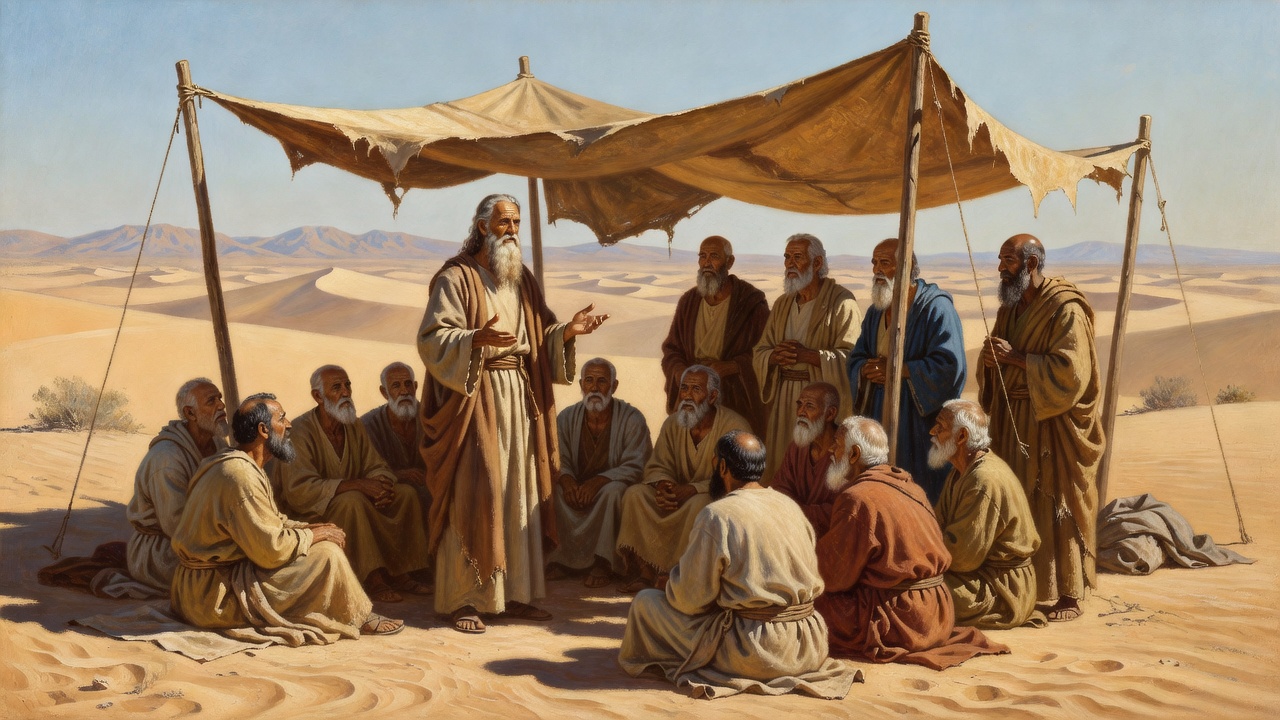
- Moses delivered these regulations specifically to the heads of the tribes of Israel. Under these statutes, an adult man was unconditionally bound to keep any vow, oath, or obligation he made to the Lord without breaking his word.Sources: the Bible text itself
- A father or husband had the legal right to confirm or nullify a vow made by an unmarried daughter in his household or by his wife. If the head of the household voiced no objection on the day he heard about the vow, it remained valid; if he prohibited it immediately, the woman was absolved.Sources: the Bible text itself
- The law treated widows and divorced women differently from dependents in a father's or husband's household. Any vow or pledge made by a widow or a divorced woman was entirely binding upon her, with no male authority able to void it.Sources: the Bible text itself
Notes written with AI assistance from open sources (Theographic Bible Metadata, CC BY-SA 4.0; Easton’s Bible Dictionary, public domain) and reviewed before publishing.
Credits and license for this translation
Targum Onkelos Etheridge
The Targums of Onkelos and Jonathan Ben Uzziel On the Pentateuch With The Fragments of the Jerusalem Targum From the Chaldee by J. W. Etheridge, M.A. First Published 1862-65.
Public Domain
Language: English
2020-12-20
Section headings adapted from the Berean Standard Bible (public domain); they are not part of this translation’s text.
Source: http://ebible.org/engoke/ · eBible.org