Psalms 138
George Noyes Bible · Tap a verse to see its cross-references.
A Thankful Heart
1“A psalm of David.” I will praise thee with my whole heart; Before the gods will I sing praise to thee; 2I will worship toward thy holy temple, And praise thy name for thy goodness and thy truth; For thy promise thou hast magnified above all thy name! 3In the day when I called, thou didst hear me; Thou didst strengthen me, and encourage my soul. 4All the kings of the earth shall praise thee, O LORD! When they hear the promises of thy mouth! 5Yea, they shall sing of the ways of the LORD; For great is the glory of the LORD. 6The LORD is high, yet he looketh upon the humble, And the proud doth he know from afar. 7Though I walk through the midst of trouble, thou wilt revive me; Thou wilt stretch forth thy hand against the wrath of my enemies; Thou wilt save me by thy right hand! 8The LORD will perform all things for me; Thy goodness, O LORD! endureth ever: Forsake not the works of thine hands!
Did you know?
A Song of Thanksgiving and Universal Praise
- The psalm opens with the singer offering praise with a whole heart in the presence of the gods, proclaiming God's faithfulness and loving devotion over against all other powers.Sources: the Bible text itself
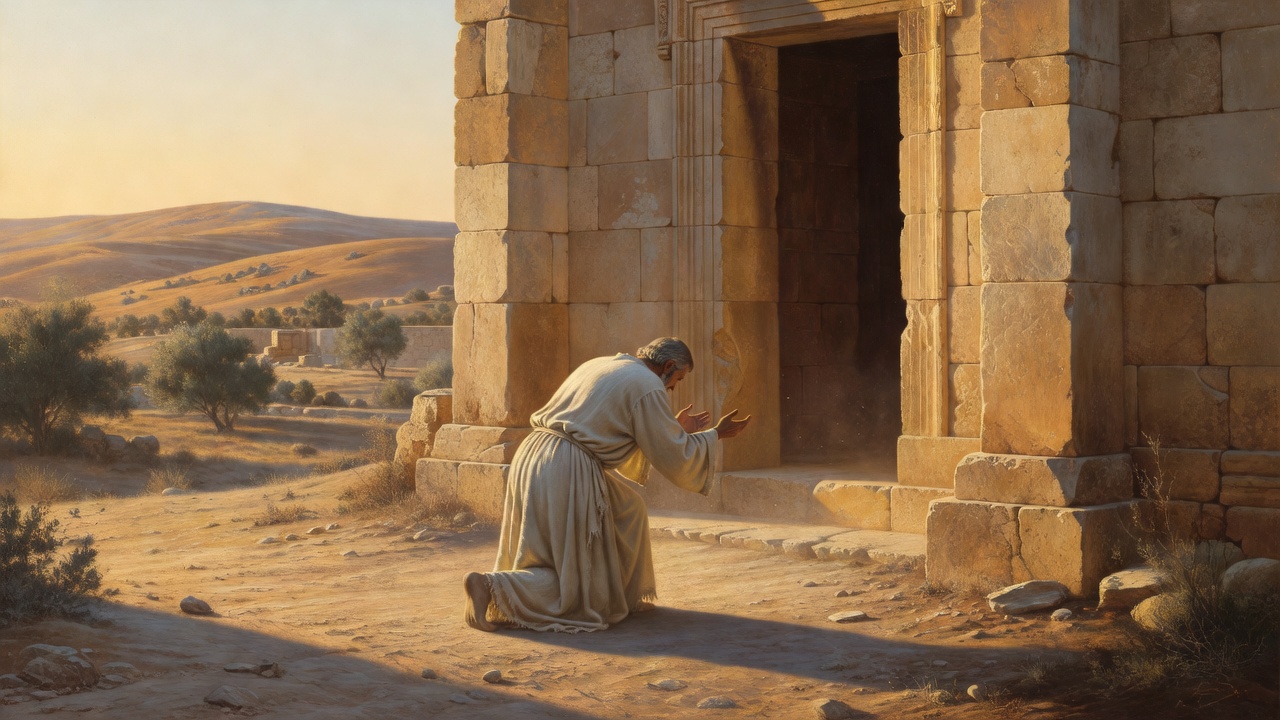
- The psalmist describes bowing toward God's holy temple to give thanks, linking personal deliverance in times of distress to the enduring nature of divine mercy.Sources: the Bible text itself
- The text looks beyond Israel to envision all the kings of the earth giving thanks and singing of the ways and glory of the Lord after hearing His words.Sources: the Bible text itself
Notes written with AI assistance from open sources (Theographic Bible Metadata, CC BY-SA 4.0; Easton’s Bible Dictionary, public domain) and reviewed before publishing.
Credits and license for this translation
George Noyes Bible
The Holy Bible, translated into English by George Noyes (1869)
Public Domain
Language: English
Dialect: archaic British
Translation by: George Noyes
2019-10-24
Section headings adapted from the Berean Standard Bible (public domain); they are not part of this translation’s text.
Source: http://ebible.org/engnoy/ · eBible.org