Psalms 130
George Noyes Bible · Tap a verse to see its cross-references.
Out of the Depths
1“A psalm of the steps, or the goings up.” Out of the depths do I cry to thee, O LORD! 2O Lord! listen to my voice, Let thine ears be attentive to my supplication! 3If thou, LORD, shouldst treasure up transgressions, Lord, who could stand? 4But with thee is forgiveness, That thou mayst be feared. 5I trust in the LORD; my soul doth trust, And in his promise do I confide. 6My soul waiteth for the LORD More than they who watch for the morning; Yea, more than they who watch for the morning! 7O Israel! trust in the LORD! For with the LORD is mercy, And with him is plenteous redemption. 8He will redeem Israel From all his iniquities.
Did you know?
A Cry from the Depths and Hope for Redemption
- Psalm 130 is identified in its opening heading as a song of ascents, beginning with a personal plea from the depths where the speaker acknowledges that no one could stand if the LORD kept track of iniquities.Sources: the Bible text itself
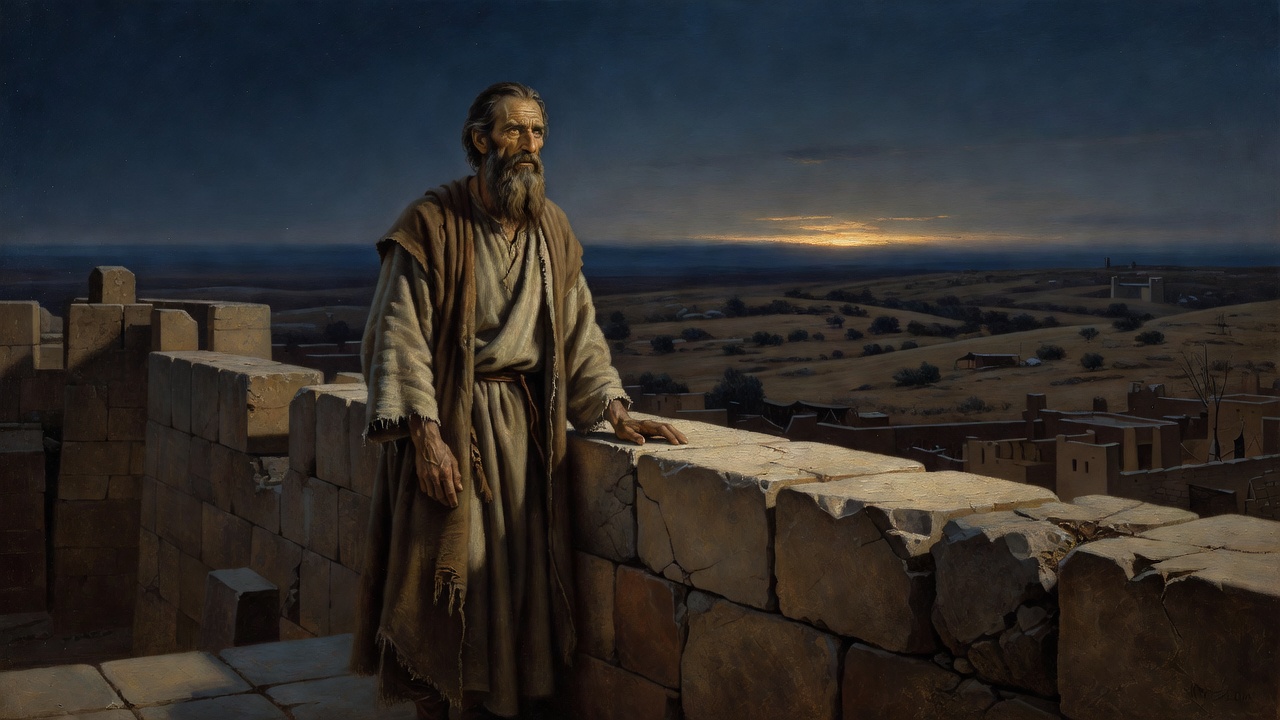
- The psalm uses the vivid image of night watchmen eagerly waiting for the morning light to describe deep longing and patience for the Lord, before expanding this hope to all of Israel for full redemption from iniquity.Sources: the Bible text itself
Notes written with AI assistance from open sources (Theographic Bible Metadata, CC BY-SA 4.0; Easton’s Bible Dictionary, public domain) and reviewed before publishing.
Places in this chapter
- Jerusalem · 31.777, 35.234 · verse 1
Only places identified with high confidence are shown (90% or more according to the scholarly sources compiled by OpenBible). Period map: DARE (Digital Atlas of the Roman Empire), CC BY 4.0; modern map: © OpenStreetMap contributors; places: OpenBible.info (CC BY 4.0).
Credits and license for this translation
George Noyes Bible
The Holy Bible, translated into English by George Noyes (1869)
Public Domain
Language: English
Dialect: archaic British
Translation by: George Noyes
2019-10-24
Section headings adapted from the Berean Standard Bible (public domain); they are not part of this translation’s text.
Source: http://ebible.org/engnoy/ · eBible.org