Psalms 127
George Noyes Bible · Tap a verse to see its cross-references.
Children Are a Heritage from the LORD
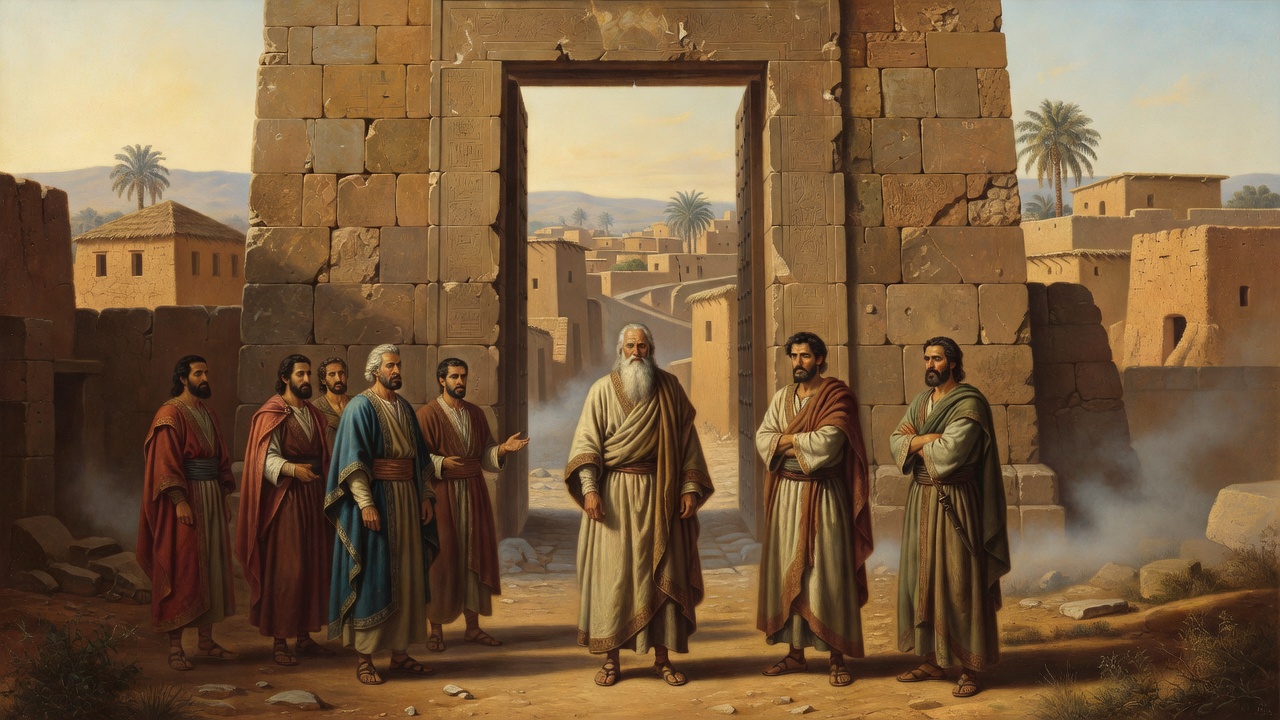
1“A psalm of the steps, or the goings up. By Solomon.” Except the LORD build the house, The builders labor in vain; Except the LORD guard the city, The watchman waketh in vain. 2In vain ye rise up early, and go to rest late, And eat the bread of care! The same giveth he his beloved one in sleep. 3Behold! sons are an inheritance from the LORD, And the fruit of the womb is his gift. 4As arrows in the hand of the warrior, So are the sons of young men: 5Happy the man that hath his quiver full of them! They shall not be put to shame, When they speak with adversaries in the gate.
Did you know?
Divine Blessing and Family
- The superscription identifies Psalm 127 as a Song of Ascents attributed to Solomon. The opening verses emphasize that human endeavors, such as building a house, guarding a city, or working long hours for food, are futile without the Lord's involvement and blessing.Sources: the Bible text itself
- The psalm compares children born in one's youth to arrows in the hands of a warrior, presenting them as a heritage and reward from the Lord. Having a household full of them provides support and honor when confronting adversaries at the city gate.Sources: the Bible text itself
Notes written with AI assistance from open sources (Theographic Bible Metadata, CC BY-SA 4.0; Easton’s Bible Dictionary, public domain) and reviewed before publishing.
Places in this chapter
- Jerusalem · 31.777, 35.234 · verse 1
Only places identified with high confidence are shown (90% or more according to the scholarly sources compiled by OpenBible). Period map: DARE (Digital Atlas of the Roman Empire), CC BY 4.0; modern map: © OpenStreetMap contributors; places: OpenBible.info (CC BY 4.0).
Credits and license for this translation
George Noyes Bible
The Holy Bible, translated into English by George Noyes (1869)
Public Domain
Language: English
Dialect: archaic British
Translation by: George Noyes
2019-10-24
Section headings adapted from the Berean Standard Bible (public domain); they are not part of this translation’s text.
Source: http://ebible.org/engnoy/ · eBible.org