Psalms 15
NET Bible · Tap a verse to see its cross-references.
A psalm of David.
Who May Dwell on Your Holy Mountain?
1Lord, who may be a guest in your home?
Who may live on your holy hill?
2Whoever lives a blameless life,
does what is right,
and speaks honestly.
3He does not slander,
or do harm to others,
or insult his neighbor.
4He despises a reprobate,
but honors the Lord’s loyal followers.
He makes firm commitments and does not renege on his promise.
5He does not charge interest when he lends his money.
He does not take bribes to testify against the innocent.
The one who lives like this will never be upended.
Did you know?
Dwelling in God's Presence
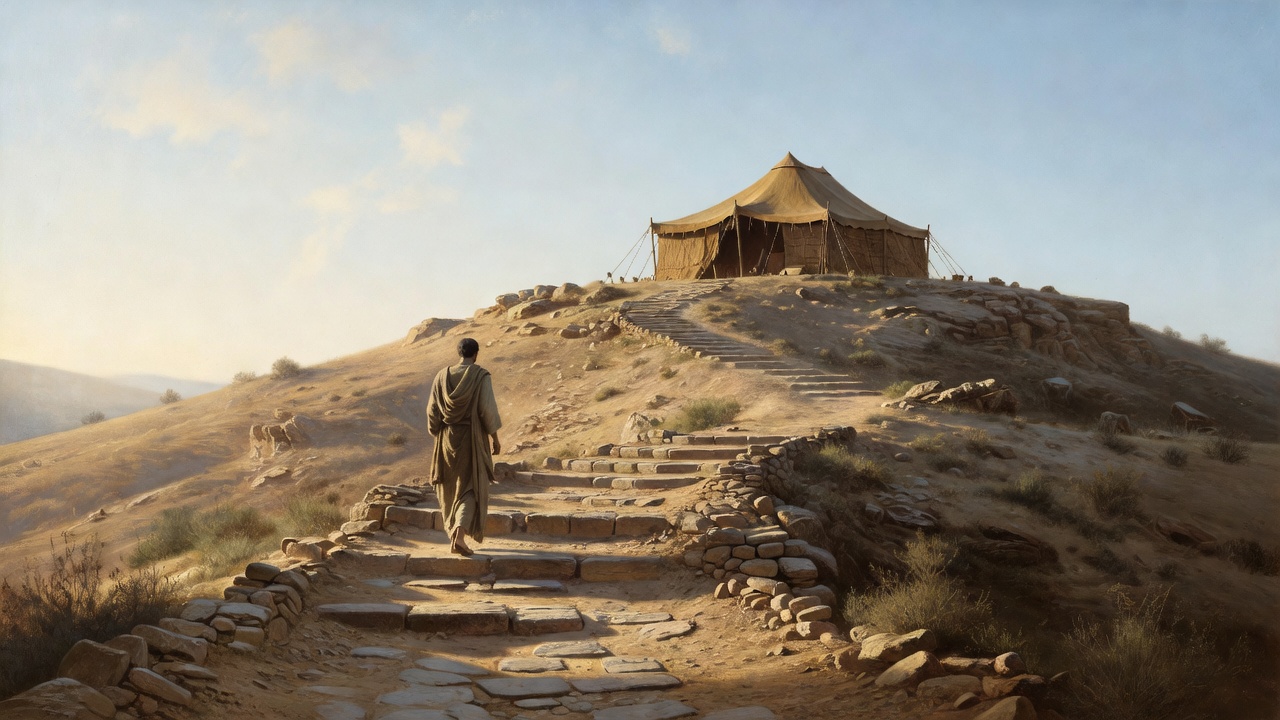
- Psalm 15 is framed around an opening question asking who is permitted to abide in the Lord's sacred tent and dwell on His holy mountain.Sources: the Bible text itself
- Rather than focusing on ritual offerings, the psalm outlines qualifications based on ethical integrity, truthful speech, keeping costly oaths, and financial justice such as rejecting bribes and lending without interest.Sources: the Bible text itself
Notes written with AI assistance from open sources (Theographic Bible Metadata, CC BY-SA 4.0; Easton’s Bible Dictionary, public domain) and reviewed before publishing.
Credits and license for this translation
NET Bible
NET Bible®, New English Translation (NET)
copyright © 1996-2016 Biblical Studies Press, L. L. C.
Please see https://netbible.com/copyright/ for full NET Bible copyright and permissions information. You can also read the NET Bible at http://NETBible.org .
Language: English
Dialect (if applicable): American
Language in English: English
Translation by:
Please see https://netbible.com/copyright/ for full NET Bible copyright and permissions information. You can also read the NET Bible at http://NETBible.org .
The NET Bible (New English Translation) is a completely new translation of the Bible with 58,506 translators’ notes ! It was completed by more than 25 scholars – experts in the original biblical languages – who worked directly from the best currently available Hebrew, Aramaic, and Greek texts. Turn the pages and see the breadth of the translators’ notes, documenting their decisions and choices as they worked.
The translators’ notes make the original languages far more accessible, allowing you to look over the translator’s shoulder at the very process of translation. This level of documentation is a first for a Bible translation, making transparent the textual basis and the rationale for key renderings (including major interpretive options and alternative translations).
This unparalleled level of detail helps connect people to the Bible in the original languages in a way never before possible without years of study of Hebrew, Aramaic, and Greek. It unlocks the riches of the Bible’s truth from entirely new perspectives.
A donation is appreciated. Donate at Bible.org/donations_form so we can continue to provide our material for free for our 16,000+ articles on Bible.org and our world class Bible Study tool at lumina.bible.org .
2026-10-02
Section headings adapted from the Berean Standard Bible (public domain); they are not part of this translation’s text.
Source: http://ebible.org/engnet/ · eBible.org