Psalms 16
Isaac Leeser Tanakh · Tap a verse to see its cross-references.
The Presence of the LORD
1“A Michtham of David.” Preserve me, O God; for I have placed my trust in thee. 2[O my soul], thou hast said unto the Lord, Thou art my Lord: my happiness is not without thee; 3[But] in the saints who are on the earth, and in the excellent—in them is all my delight. 4Multiplied shall be the sorrows of those who give presents to another god: I will not pour out their drink-offerings of blood, nor bear their names upon my lips. 5Thou, O Lord, art the portion of my inheritance, and my cup; thou hast drawn my lot. 6My possessions are fallen in agreeable places: yea, my heritage is pleasant to me. 7I will bless the Lord, who hath given me counsel: also in the night seasons my reins admonish me. 8I have always set the Lord before me, that, being at my right hand, I might not be moved. 9Therefore is rejoiced my heart, and my spirit is glad: also my flesh shall rest in safety. 10For thou wilt not abandon my soul to the grave: thou wilt not suffer thy pious [servant] to see corruption. 11Thou wilt let me know the path of life: fulness of joy is in thy presence; pleasures are at thy right hand for evermore.
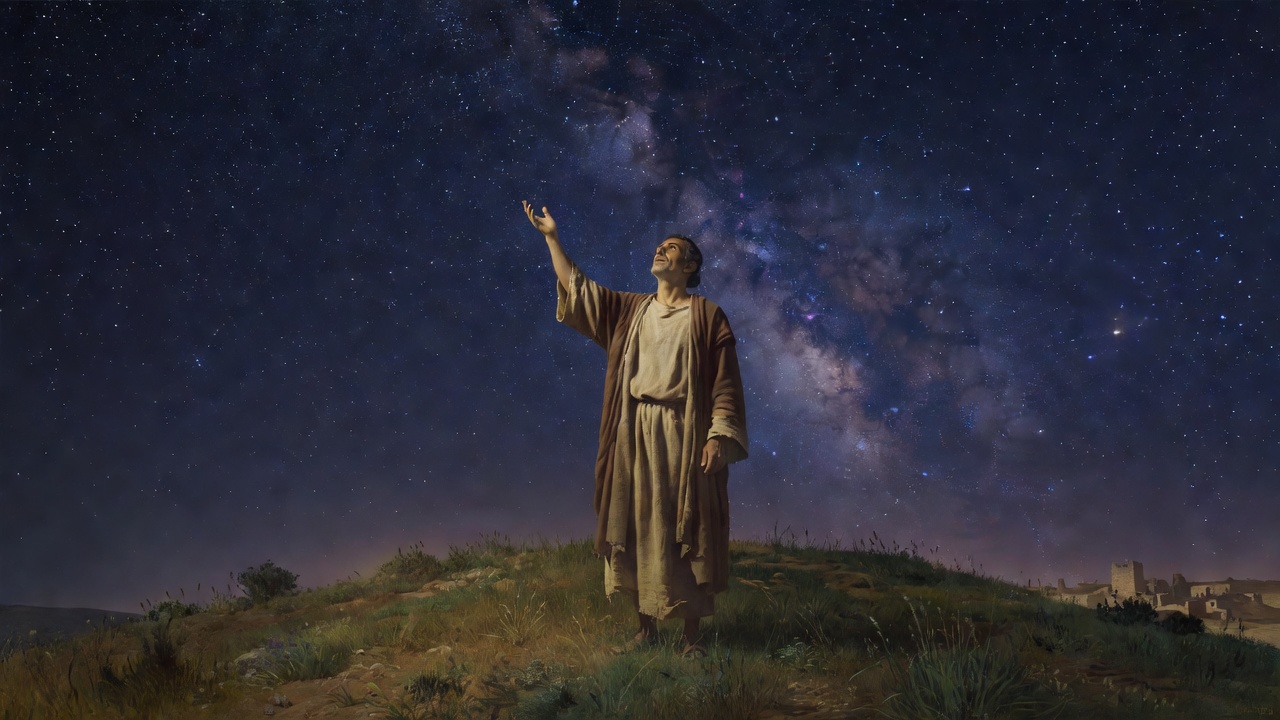
Did you know?
The Lord as Inheritance and Refuge
- The psalmist uses the imagery of measuring lines and land distribution to describe God as an inheritance. By stating that the boundary lines have fallen in pleasant places, the text portrays devotion to the Lord through the metaphor of a secure and delightful plot of land.Sources: the Bible text itself
- The text contrasts loyalty to God with the practices of those pursuing other deities. The speaker explicitly refuses to participate in foreign rituals involving libations of blood or even speak the names of those gods.Sources: the Bible text itself
- The psalm closes with confidence regarding mortality, affirming that God will not abandon the speaker's soul to Sheol or allow His devoted one to experience decay, but instead will show the path of life and joyful presence.Sources: the Bible text itself
Notes written with AI assistance from open sources (Theographic Bible Metadata, CC BY-SA 4.0; Easton’s Bible Dictionary, public domain) and reviewed before publishing.
Credits and license for this translation
Isaac Leeser Tanakh
The Isaac Leeser Tanakh (Jewish Bible)
Public Domain
Language: English
Dialect: archaic British
Translation by: Isaac Leeser
2020-10-14
Section headings adapted from the Berean Standard Bible (public domain); they are not part of this translation’s text.
Source: http://ebible.org/englee/ · eBible.org