Psalms 12
Isaac Leeser Tanakh · Tap a verse to see its cross-references.
The Godly Are No More
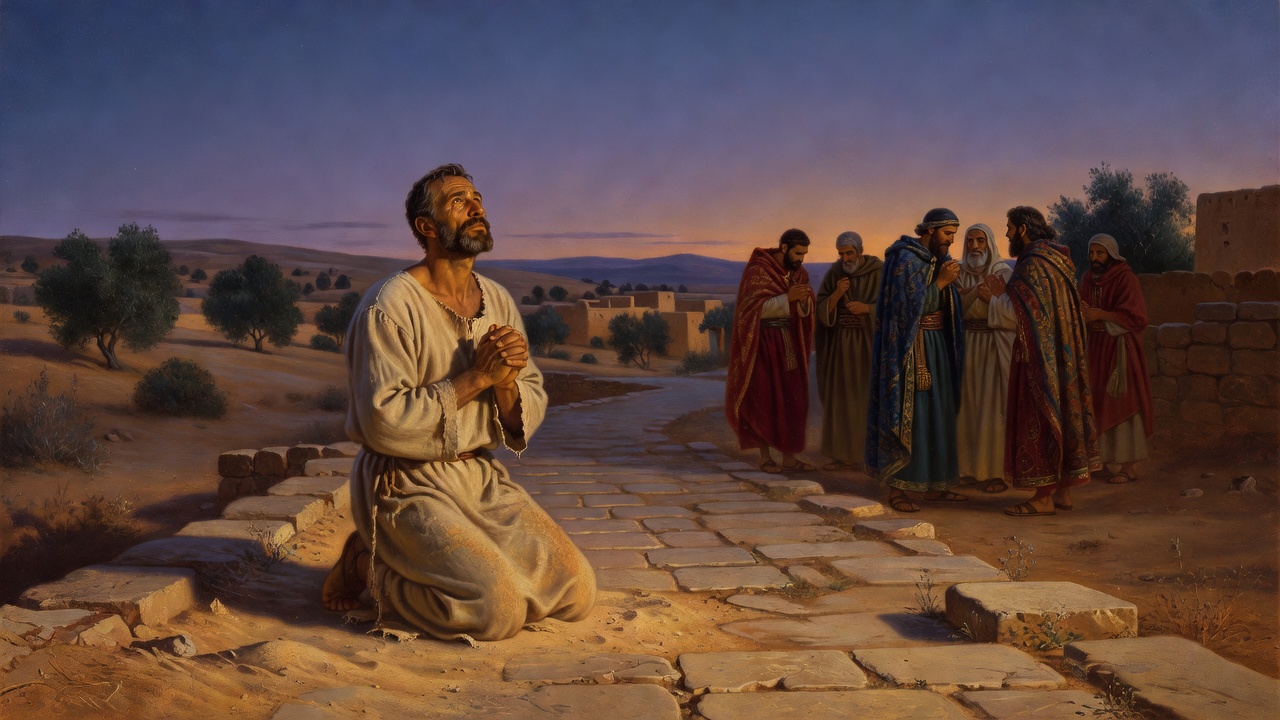
1“To the chief musician upon Sheminith, a psalm of David.” (12:2) Help, O Lord; for the pious have ceased to be; for the truthful have failed from among the children of men. 2(12:3) Deceptively do they speak every one with his neighbor, with flattering lips, with a double heart do they speak. 3(12:4) May the Lord cut off all flattering lips, the tongue that speaketh boastful things: 4(12:5) Who have said, With our tongue will we be mighty; our lips are with us; who is Lord over us! 5(12:6) Because of the oppression of the poor, because of the sighing of the needy, now will I arise, saith the Lord: I will grant safety to him for whom the other layeth a snare. 6(12:7) The words of the Lord are pure words, as silver refined in the crucible of earth, purified seven times. 7(12:8) Thou, O Lord, wilt preserve them; thou wilt guard them from this generation for ever. 8(12:9) On every side do the wicked walk about, when the vile are exalted over the sons of man.
Did you know?
Pure Words and Divine Protection
- Psalm 12 sharply contrasts deceitful human speech with the purity of God's word. While people speak with flattering lips, double hearts, and boastful claims, the words of the Lord are described as flawless, like silver refined sevenfold in a furnace.Sources: the Bible text itself
- The psalm presents the Lord's intervention as an answer to the oppression and groaning of the poor and needy. In response to their suffering and the pervasive wickedness of the generation, God promises to arise and grant safety.Sources: the Bible text itself
Notes written with AI assistance from open sources (Theographic Bible Metadata, CC BY-SA 4.0; Easton’s Bible Dictionary, public domain) and reviewed before publishing.
Credits and license for this translation
Isaac Leeser Tanakh
The Isaac Leeser Tanakh (Jewish Bible)
Public Domain
Language: English
Dialect: archaic British
Translation by: Isaac Leeser
2020-10-14
Section headings adapted from the Berean Standard Bible (public domain); they are not part of this translation’s text.
Source: http://ebible.org/englee/ · eBible.org