Proverbs 13
Isaac Leeser Tanakh · Tap a verse to see its cross-references.
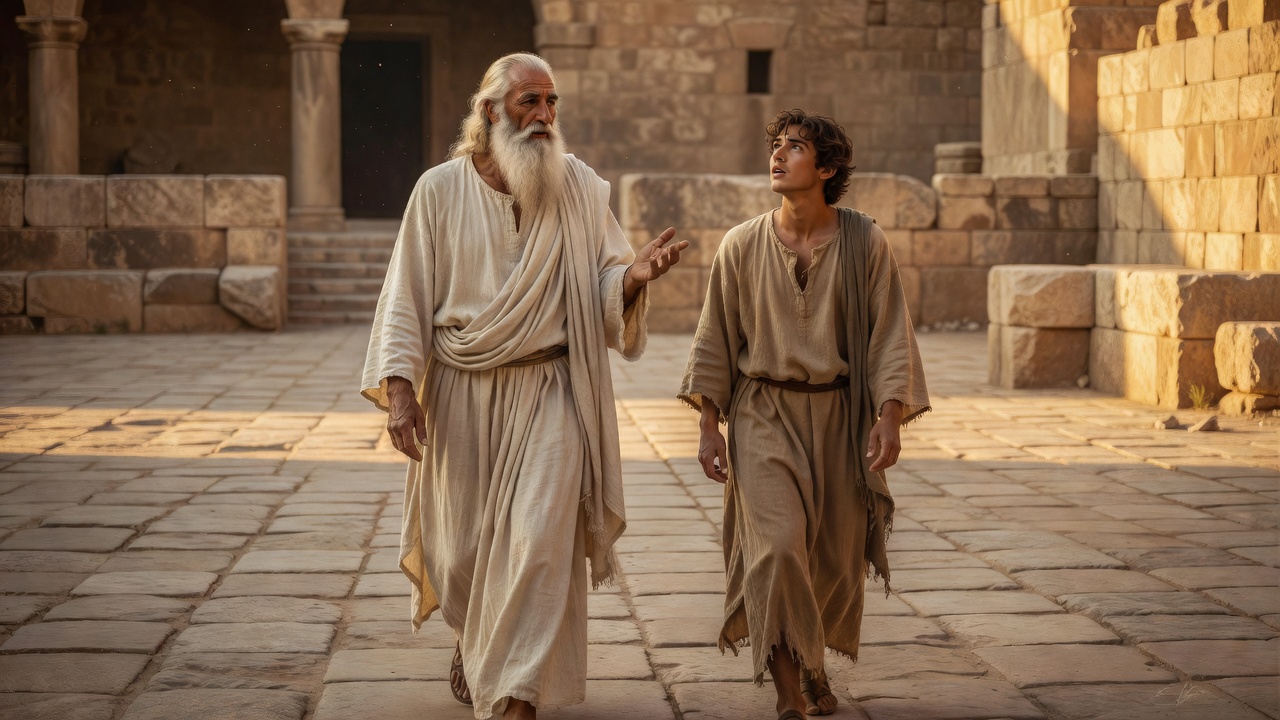
A Father’s Discipline
1A wise son [becometh so] by the correction of his father; but a scorner hearkeneth not to rebuke. 2From the fruit of a man's mouth doth he eat what is good; but the longing of the treacherous is for violence. 3He that watcheth his mouth guardeth his soul; but he that openeth wide his lips [prepareth] himself destruction. 4The sluggard longeth [in] his soul, and there [cometh] nothing; but the soul of the diligent will be abundantly gratified. 5The righteous hateth the word of falsehood; but the wicked bringeth shame and dishonor. 6Righteousness keepeth [him that is] upright on his way; but wickedness perverteth the [man of] sin. 7There is some one that pretendeth to be rich without having any thing; another that pretendeth to be poor while having abundant wealth. 8As the ransom of a man's life [hath he often to give] his riches; but the poor heareth no threat. 9The light of the righteous burneth joyfully; but the lamp of the wicked will be quenched. 10Only through presumptuous conduct doth man produce contention; but with the well-advised is wisdom. 11Wealth [gotten] by vain deeds will be diminished; but he that gathereth by close labor will increase it. 12Expectation long deferred maketh the heart sick; but a tree of life is a desire which is fulfilled. 13Whoso despiseth the word shall fall in debt to it; but he that feareth the commandment will be rewarded. 14The instruction of the wise is a source of life, [teaching] to avoid the snares of death. 15Good intelligence giveth grace; but the way of the treacherous is hard. 16Every prudent man acteth with knowledge; but a fool spreadeth abroad his folly. 17A wicked messenger falleth into unhappiness; but a faithful ambassador [bringeth] healing. 18Poverty and disgrace will overtake him that rejecteth correction; but he that observeth admonition will be honored. 19A desire accomplished is pleasant to the soul; but it is abomination to fools to depart from evil. 20He that walketh with wise men will become wise; but he that associateth with fools will be destroyed. 21Evil pursueth the sinners; but the righteous will [God] repay with happiness. 22A good man leaveth an inheritance to his children's children; but the wealth of the sinner is treasured up for the righteous. 23Much food bringeth the new-tilled ground of the poor; but there are many others that are taken away through injustice. 24He that withholdeth his rod hateth his son; but he that loveth him chastiseth him betimes. 25The righteous eateth to satisfy his desire [to eat]; but the belly of the wicked always suffereth want.
Did you know?
Wisdom in Wealth, Speech, and Companionship
- Proverbs 13 explores the illusions and social realities of wealth, observing that some pretend to be rich while having nothing, whereas others pretend to be poor yet possess great assets. It also notes that great riches can expose a person to threats and ransoms, whereas the poor are spared such dangers.Sources: the Bible text itself
- The chapter uses vivid organic imagery to portray the emotional and practical benefits of wisdom. A fulfilled longing is described as a tree of life, and the instruction of the wise is called a fountain of life that steers a person away from deadly snares.Sources: the Bible text itself
- A person's character and fate are shown to be shaped by association and speech. Walking alongside the wise produces wisdom while consorting with fools leads to ruin, just as carefully guarding one's words protects life while reckless talk invites destruction.Sources: the Bible text itself
Notes written with AI assistance from open sources (Theographic Bible Metadata, CC BY-SA 4.0; Easton’s Bible Dictionary, public domain) and reviewed before publishing.
Credits and license for this translation
Isaac Leeser Tanakh
The Isaac Leeser Tanakh (Jewish Bible)
Public Domain
Language: English
Dialect: archaic British
Translation by: Isaac Leeser
2020-10-14
Section headings adapted from the Berean Standard Bible (public domain); they are not part of this translation’s text.
Source: http://ebible.org/englee/ · eBible.org