Job 21
Isaac Leeser Tanakh · Tap a verse to see its cross-references.
Job: God Will Punish the Wicked
1Then answered Job, and said, 2Hear, O hear my speech, and let this be wherewith you give consolations. 3Bear with me that I may indeed speak: and after my speaking, then canst thou mock. 4As for me,—is against man my complaint? and if this be so, why should my spirit not be impatient? 5Turn yourselves unto me, and be astounded, and lay your hand upon your mouth. 6Yea, when I think of it, I am terrified, and shuddering seizeth hold of my flesh. 7Wherefore do the wicked live, become old, yea, grow strong in power? 8Their seed is firmly established in their presence with them. their offspring are before their eyes. 9Their houses are at peace without any dread, and no rod of God [cometh] over them. 10The bull of each one gendereth, and disappointeth not: the cow of each one calveth, and casteth not her young. 11They send forth their little ones like a flock, and their children skip about [with joy]. 12They sing to the timbrel and harp, and rejoice at the sound of the pipe. 13They wear out their days in happiness, and in a moment they go down to the nether world. 14And yet they say unto God, “Depart from us; and the knowledge of thy ways we desire not. 15What is the Almighty, that we should serve him? and what profit shall we have, if we entreat him urgently?” 16Lo, not in their hand doth their happiness rest! The counsel of the wicked be [still] far from me. 17How often is the lamp of the wicked quenched? and how often cometh over them their calamity? and doth [God] distribute their lot in his anger? 18Are they as straw before the wind, and as chaff which the stealeth away? 19Should God lay up for his children his wrong-doing? it were better that he reward him, that he might know it himself. 20His own eyes ought to see his downfall, and from the wrath of the Almighty ought he to drink. 21For what care hath he for his household after him, when the number of his months is all apportioned to him? 22Is this fitting God, who teacheth knowledge? him who judgeth those that are highest? 23That this one dieth in his full strength, being wholly at ease and quiet; 24His vessels being full of healthy fluid, and the marrow of his bones being well moistened: 25While this other dieth with an embittered soul, and hath never partaken of any happiness; 26[And yet] together they must lie down in the dust, and the worms will cover them? 27Behold, I know your thoughts, and the opinions which ye wrongfully devise against me. 28For ye say, Where is the house of the noble-minded? and where is the tent of the dwelling-places of the wicked? 29Have ye not asked the wayfarers? surely their token ye cannot disregard, 30That the bad man is reserved for the day of calamity, [that the wicked] are carried forward to the day of wrath. 31[But] who will tell him to his face of his way? and who will repay him what he hath done? 32Yea he will indeed be carried to the grave, and men will quickly think of his monument: 33Sweet are to him the clods of the valley; and after him succeedeth every man, as those that were before him are without number. 34How then will ye comfort me with vanity? and of your answers there remaineth only deception.
Did you know?
The Prosperity of the Wicked
- Job challenges his friends' belief that the wicked always suffer in this life. He points out that many ungodly people grow old, increase in power, see their children flourish to the sound of lyres and flutes, and die in peaceful ease.Sources: the Bible text itself
- Confronting the idea that God reserves punishment for a person's children, Job argues that true accountability requires wrongdoers to experience retribution personally and taste the wrath of the Almighty during their own lives.Sources: the Bible text itself
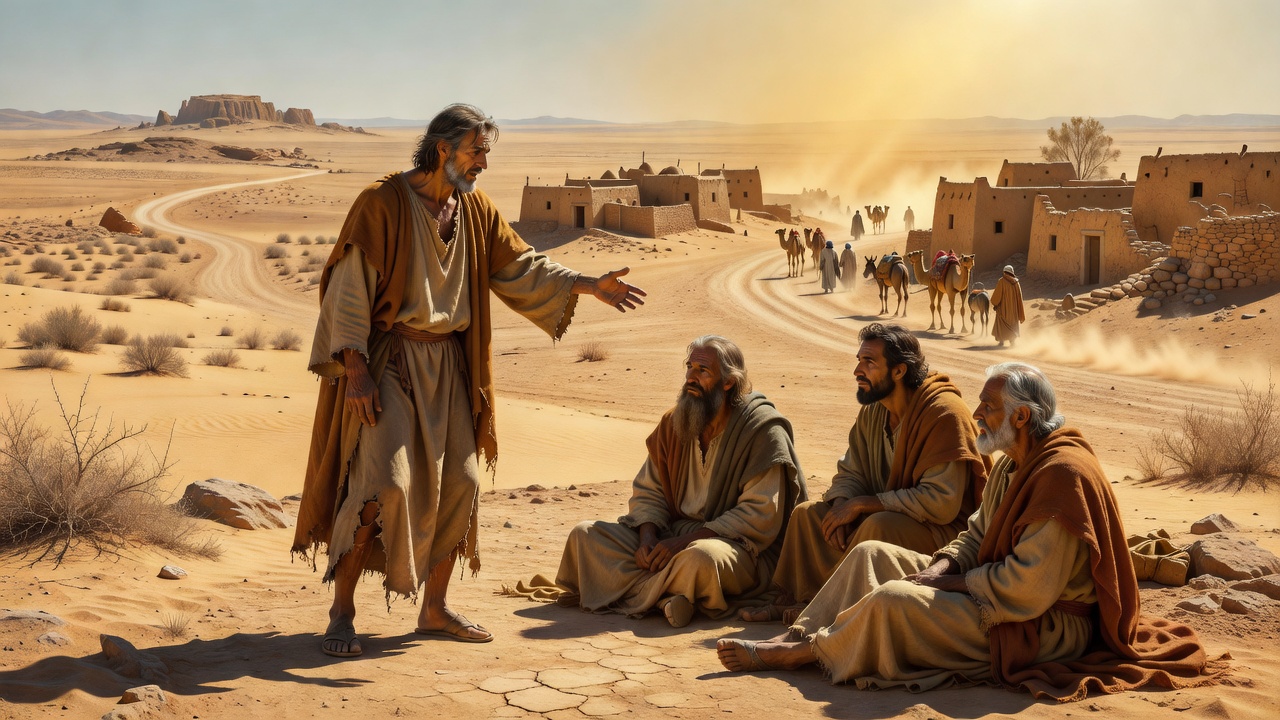
- Job urges his companions to ask road travelers about common observations. He notes that whether an individual lives in vigorous prosperity or dies in bitter poverty, both ultimately share the same earthly end when they lie down together in the dust.Sources: the Bible text itself
Notes written with AI assistance from open sources (Theographic Bible Metadata, CC BY-SA 4.0; Easton’s Bible Dictionary, public domain) and reviewed before publishing.
Credits and license for this translation
Isaac Leeser Tanakh
The Isaac Leeser Tanakh (Jewish Bible)
Public Domain
Language: English
Dialect: archaic British
Translation by: Isaac Leeser
2020-10-14
Section headings adapted from the Berean Standard Bible (public domain); they are not part of this translation’s text.
Source: http://ebible.org/englee/ · eBible.org