Proverbs 17
Geneva Bible 1599 · Tap a verse to see its cross-references.
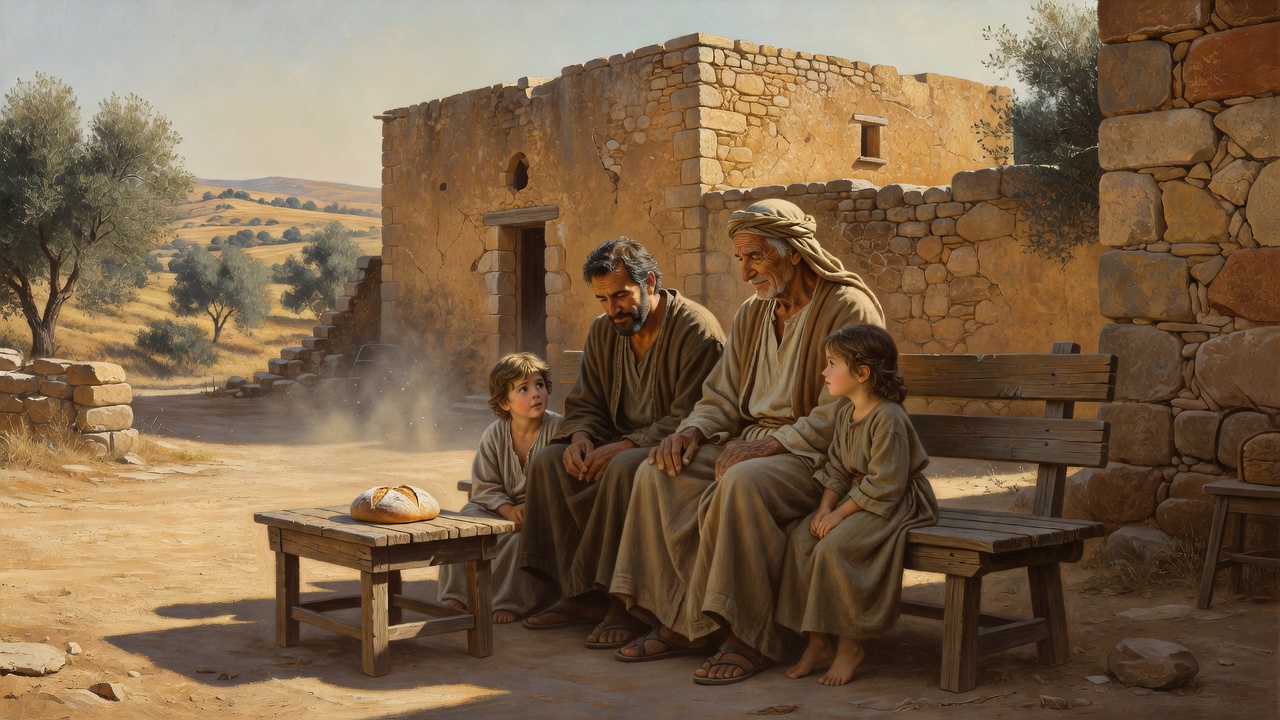
Better a Dry Morsel in Quietness
1Better is a dry morsell, if peace be with it, then an house full of sacrifices with strife. 2A discrete seruant shall haue rule ouer a lewde sonne, and hee shall deuide the heritage among the brethren. 3As is the fining pot for siluer, and the fornace for golde, so the Lord trieth the heartes. 4The wicked giueth heed to false lippes, and a lyer hearkeneth to the naughtie tongue. 5Hee that mocketh the poore, reprocheth him, that made him: and he that reioyceth at destruction, shall not be vnpunished. 6Childres children are the crowne of the elders: and the glory of ye children are their fathers. 7Hie talke becommeth not a foole, much lesse a lying talke a prince. 8A rewarde is as a stone pleasant in the eyes of them that haue it: it prospereth, whithersoeuer it turneth. 9Hee that couereth a transgression, seeketh loue: but hee that repeateth a matter, separateth the prince. 10A reproofe entereth more into him that hath vnderstanding, then an hundreth stripes into a foole. 11A sedicious person seeketh onely euill, and a cruel messenger shall be sent against him. 12It is better for a man to meete a beare robbed of her whelpes, then a foole in his follie. 13He that rewardeth euil for good, euil shall not depart from his house. 14The beginning of strife is as one that openeth the waters: therefore or the contention be medled with, leaue off. 15He that iustifieth the wicked, and he that condemneth the iust, euen they both are abomination to the Lord. 16Wherefore is there a price in the hand of the foole to get wisdome, and he hath none heart? 17A friende loueth at all times: and a brother is borne for aduersitie. 18A man destitute of vnderstanding, toucheth the hande, and becommeth suretie for his neighbour. 19He loueth transgression, that loueth strife: and he that exalteth his gate, seeketh destruction. 20The froward heart findeth no good: and he that hath a naughtie tongue, shall fall into euill. 21He that begetteth a foole, getteth himselfe sorow, and the father of a foole can haue no ioy. 22A ioyfull heart causeth good health: but a sorowfull minde dryeth the bones. 23A wicked man taketh a gift out of the bosome to wrest the wayes of iudgement. 24Wisdome is in the face of him that hath vnderstanding: but the eyes of a foole are in the corners of the world. 25A foolish sonne is a griefe vnto his father, and a heauines to her that bare him. 26Surely it is not good to condemne the iust, nor that ye princes should smite such for equitie. 27Hee that hath knowledge, spareth his wordes, and a man of vnderstanding is of an excellent spirit. 28Euen a foole (when he holdeth his peace) is counted wise, and hee that stoppeth his lips, prudent.
Did you know?
Wisdom for Relationships, Speech, and the Heart
- Ancient metallurgical techniques used clay crucibles for silver and high-heat furnaces for gold to separate precious metal from dross. The proverb draws on this refining process to illustrate how the Lord examines and tests the deepest motives of the human heart.Sources: the Bible text itself
- The imagery of starting a quarrel as releasing a flood reflects ancient water management and irrigation dykes. A small crack in an earthen dam quickly widens into an uncontrollable rush of water, illustrating why disputes should be stopped before they break out.Sources: the Bible text itself
- In biblical wisdom literature, restraint in speech and maintaining a calm spirit are primary marks of understanding. Proverbs notes that silence is so strongly associated with prudence that even a fool who holds his tongue can be considered discerning.Sources: the Bible text itself
Notes written with AI assistance from open sources (Theographic Bible Metadata, CC BY-SA 4.0; Easton’s Bible Dictionary, public domain) and reviewed before publishing.
Credits and license for this translation
Geneva Bible 1599
The Geneva Bible in Old English of 1599
Public Domain
Language: English
Dialect: Old
This digital copy is freely available world-wide, with no copyright restrictions, courtesy of eBible.org and many others. Note that the spelling used is the original spelling, which is not modern English.
2024-03-16
Section headings adapted from the Berean Standard Bible (public domain); they are not part of this translation’s text.
Source: http://ebible.org/enggnv/ · eBible.org