Proverbs 14
Geneva Bible 1599 · Tap a verse to see its cross-references.
The Wise Woman
1A wise woman buildeth her house: but the foolish destroyeth it with her owne handes. 2He that walketh in his righteousnes, feareth the Lord: but he that is lewde in his wayes, despiseth him. 3In the mouth of the foolish is the rod of pride: but the lippes of the wise preserue them. 4Where none oxen are, there the cribbe is emptie: but much increase cometh by the strength of the oxe. 5A faithfull witnes will not lye: but a false record will speake lyes. 6A scorner seeketh wisdome, and findeth it not: but knowledge is easie to him that will vnderstande. 7Depart from the foolish man, when thou perceiuest not in him the lippes of knowledge. 8The wisdome of ye prudent is to vnderstand his way: but the foolishnes of the fooles is deceite. 9The foole maketh a mocke of sinne: but among the righteous there is fauour. 10The heart knoweth the bitternes of his soule, and the stranger shall not medle with his ioy. 11The house of the wicked shalbe destroyed: but the tabernacle of the righteous shall florish. 12There is a way that seemeth right to a man: but the issues thereof are the wayes of death. 13Euen in laughing the heart is sorowful, and the ende of that mirth is heauinesse. 14The heart that declineth, shall be saciate with his owne wayes: but a good man shall depart from him. 15The foolish will beleeue euery thing: but the prudent will consider his steppes. 16A wise man feareth, and departeth from euill: but a foole rageth, and is carelesse. 17He that is hastie to anger, committeth follie, and a busie body is hated. 18The foolish do inherite follie: but the prudent are crowned with knowledge. 19The euill shall bowe before the good, and the wicked at the gates of the righteous. 20The poore is hated euen of his own neighbour: but the friendes of the rich are many. 21The sinner despiseth his neighbour: but he that hath mercie on the poore, is blessed. 22Doe not they erre that imagine euill? but to them that thinke on good things, shalbe mercie and trueth. 23In all labour there is abundance: but the talke of the lippes bringeth onely want. 24The crowne of the wise is their riches, and the follie of fooles is foolishnes. 25A faithfull witnes deliuereth soules: but a deceiuer speaketh lyes. 26In the feare of the Lord is an assured strength, and his children shall haue hope. 27The feare of the Lord is as a welspring of life, to auoyde the snares of death. 28In the multitude of the people is the honour of a King, and for the want of people commeth the destruction of the Prince. 29He that is slowe to wrath, is of great wisdome: but he that is of an hastie minde, exalteth follie. 30A sounde heart is the life of the flesh: but enuie is the rotting of the bones. 31He that oppresseth the poore, reprooueth him that made him: but hee honoureth him, that hath mercie on the poore. 32The wicked shall be cast away for his malice: but the righteous hath hope in his death. 33Wisedome resteth in the heart of him that hath vnderstanding, and is knowen in the mids of fooles. 34Iustice exalteth a nation, but sinne is a shame to the people. 35The pleasure of a King is in a wise seruant: but his wrath shalbe toward him that is lewde.
Did you know?
Wisdom, Labor, and Justice
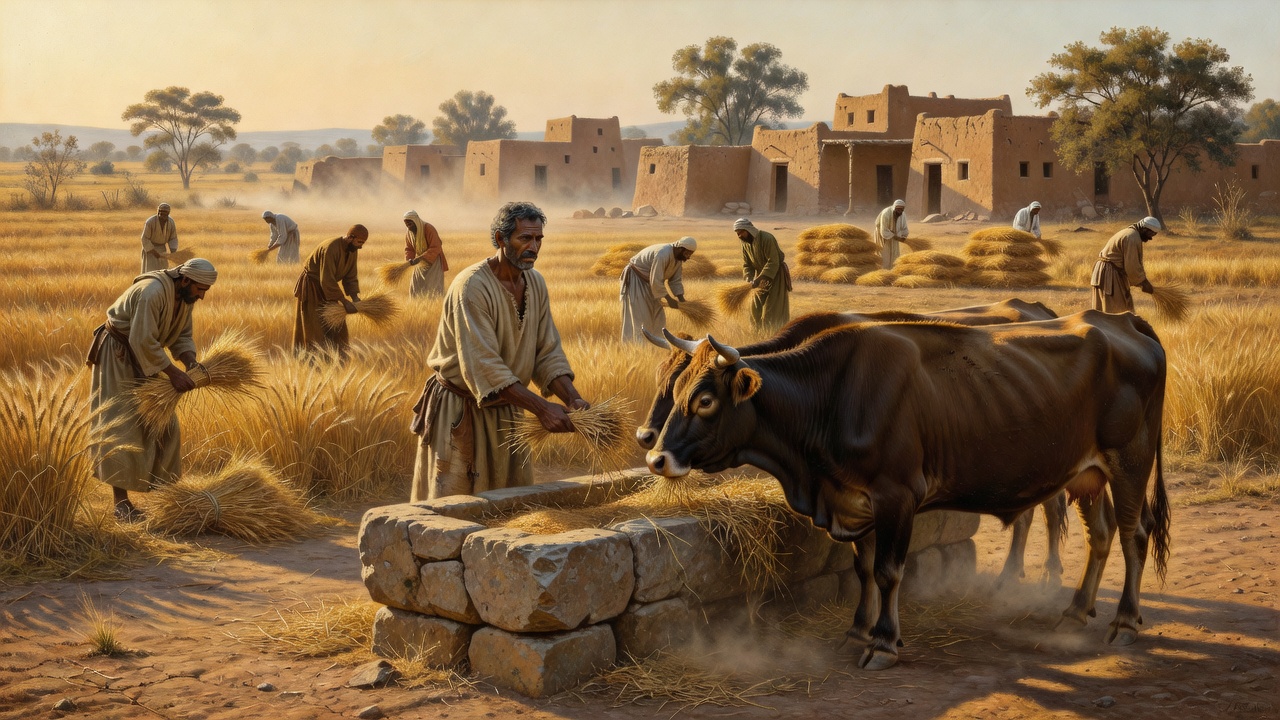
- Proverbs 14 uses practical agricultural life to illustrate that meaningful productivity requires labor and investment. While an empty manger stays clean without oxen, an abundant harvest depends directly on the strength and work of draft animals.Sources: the Bible text itself
- The chapter directly links social justice to reverence for God. Mistreating or despising the poor and needy is described as an insult to their Maker, whereas showing kindness and generosity to them honors God.Sources: the Bible text itself
- The proverbs extend moral guidance to governance and national health, stating that a king's glory depends on a thriving population and that moral righteousness exalts an entire nation, while sin brings collective disgrace.Sources: the Bible text itself
Notes written with AI assistance from open sources (Theographic Bible Metadata, CC BY-SA 4.0; Easton’s Bible Dictionary, public domain) and reviewed before publishing.
Credits and license for this translation
Geneva Bible 1599
The Geneva Bible in Old English of 1599
Public Domain
Language: English
Dialect: Old
This digital copy is freely available world-wide, with no copyright restrictions, courtesy of eBible.org and many others. Note that the spelling used is the original spelling, which is not modern English.
2024-03-16
Section headings adapted from the Berean Standard Bible (public domain); they are not part of this translation’s text.
Source: http://ebible.org/enggnv/ · eBible.org