Job 31
Free Bible Version · Tap a verse to see its cross-references.
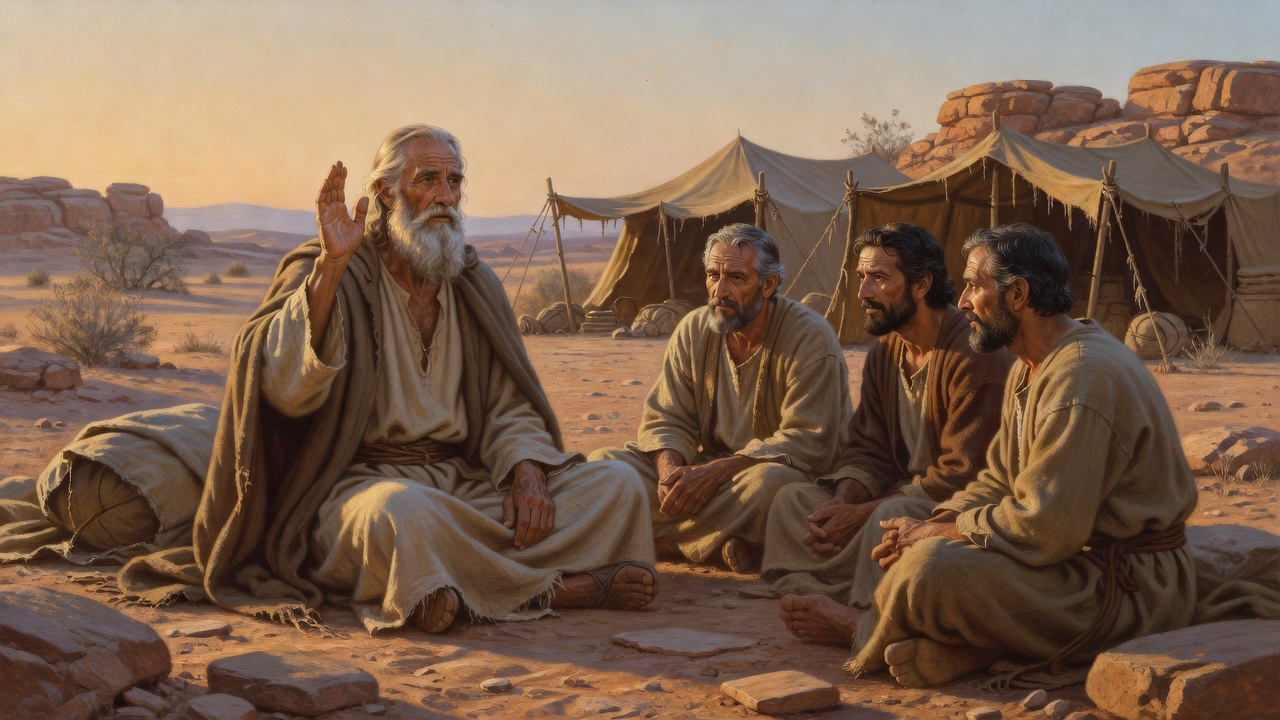
Job’s Final Appeal
1“I vowed to myself never to look with desire at young women. 2What should people expect to receive from God? What reward should the Almighty on high give them? 3Isn't it disaster for the wicked and destruction for those who do wrong? 4Doesn't God see everything I do—even count every step I take? 5Have I lived a deceitful life? Have I been eager to tell lies? 6No! Let God weigh me on the scales of his justice and let him discover my integrity.
7If I have wandered from God's way, if I have let what I see become my desires, if there's any stain of sin on my hands, 8then let someone else eat what I have sown, and all that I have grown be uprooted. 9If a woman has seduced me, or if I have looked for an opportunity to sleep with my neighbor's wife, 10then let my wife serve another, let other men sleep with her. 11For that would be wicked, a sin deserving punishment, 12for this sin is like a fire that leads to destruction, destroying everything I have.
13If I had refused to listen to my menservants or maidservants when they brought their complaints to me, 14what would I do when God came to judge me? How would I reply if he investigated me? 15Didn't the same God make all of us? 16Have I refused to give the poor what they needed, or caused widows to despair? 17Have I even eaten just a piece of bread by myself? Haven't I always shared my food with orphans? 18From when I was young I was a father to orphans and took care of widows. 19If ever I saw someone needing clothes, the poor without anything to wear, 20they always thanked me for the wool clothing that kept them warm.
21If I raised my hand to hit an orphan, confident that if it came to court the judges would be on my side, 22then let my shoulder be pulled from its joint, my arm wrenched out of its socket. 23Since I'm terrified of what punishment God may have in store for me, and because of his majesty, I could never do this.
24Have I put my trust in gold, calling fine gold, ‘My security’? 25Have I delighted in being rich, happy at all my wealth I had gained? 26Have I looked at the sun shining so brilliantly or the moon moving in majesty across the sky 27and been tempted to secretly worship them by kissing my hand to them in devotion? 28This too would be a sin deserving punishment for it would mean I had denied God above.
29Have I ever been happy when disaster destroyed those who hated me, or celebrated when evil took them down? 30I have never allowed my mouth to sin by putting a curse on someone's life. 31Haven't my family asked, ‘Is there anyone who has not eaten as much as they wanted of his food?’ 32I have never let strangers sleep in the street; I have opened my doors to travelers. 33Have I concealed my sins from others, hiding my wrongdoing deep inside me? 34Was I afraid of what everybody else would think, scared of the contempt families would show me, so that I kept quiet and didn't go outside?
35Why won't anyone listen to what I'm saying! I'm signing my name to endorse everything I've said. Let the Almighty answer me. Let my accuser write down what he is charging me with. 36I would hold them up high; I would wear them on my head like a crown. 37I would explain to him everything I'd done; I would hold my head high before him.
38If my land has cried out against me; if her furrows have wept over me; 39if I have taken its crops without payment or if I have caused harm to the farmers; 40then let thorns grow instead of wheat, and weeds instead of barley.” The words of Job are ended.
Did you know?
Job's Final Oath of Innocence
- Job frames his defense using a series of conditional self-curses, swearing that if he has committed specific moral or social sins, severe punishments should fall upon him. His ethical code extends beyond external deeds to internal motives, demanding fairness even for his servants because both master and slave were formed by the same God in the womb.Sources: the Bible text itself
- Job disavows the ancient practice of throwing a kiss with his hand toward the radiant sun or the moon in splendor. In the ancient Near East, kissing one's hand toward celestial bodies was a widespread form of astral worship, which Job regards as an offense that denies God on high.Sources: the Bible text itself
- The chapter marks the conclusion of Job's speeches with a formal legal appeal. He presents his written mark or signature, asking the Almighty to answer him and declaring that he would proudly carry any formal indictment on his shoulder like a crown, approaching God with the dignity of a prince.Sources: the Bible text itself · Job
Notes written with AI assistance from open sources (Theographic Bible Metadata, CC BY-SA 4.0; Easton’s Bible Dictionary, public domain) and reviewed before publishing.
Credits and license for this translation
Free Bible Version
The New Testament and Psalms in the Free Bible Version translation in American English
Copyright © 2018 Dr. Jonathan Gallagher
Language: English
Dialect: American
Translation by: Dr. Jonathan Gallagher
This translation is made available to you under the terms of the
Creative Commons Attribution Share-Alike license 4.0.
You have permission to share and redistribute this Bible translation in any format and to make reasonable revisions and adaptations of this translation, provided that:
You include the above copyright and source information.
If you make any changes to the text, you must indicate that you did so in a way that makes it clear that the original licensor is not necessarily endorsing your changes.
If you redistribute this text, you must distribute your contributions under the same license as the original.
Pictures included with Scriptures and other documents on this site are licensed just for use with those Scriptures and documents.
For other uses, please contact the respective copyright owners.
Note that in addition to the rules above, revising and adapting God's Word involves a great responsibility to be true to God's Word. See Revelation 22:18-19.
2026-10-02
Section headings adapted from the Berean Standard Bible (public domain); they are not part of this translation’s text.
Source: http://ebible.org/engfbv/ · eBible.org