Amos 1
Berean Standard Bible · Tap a verse to see its cross-references.
About this book
About Amos
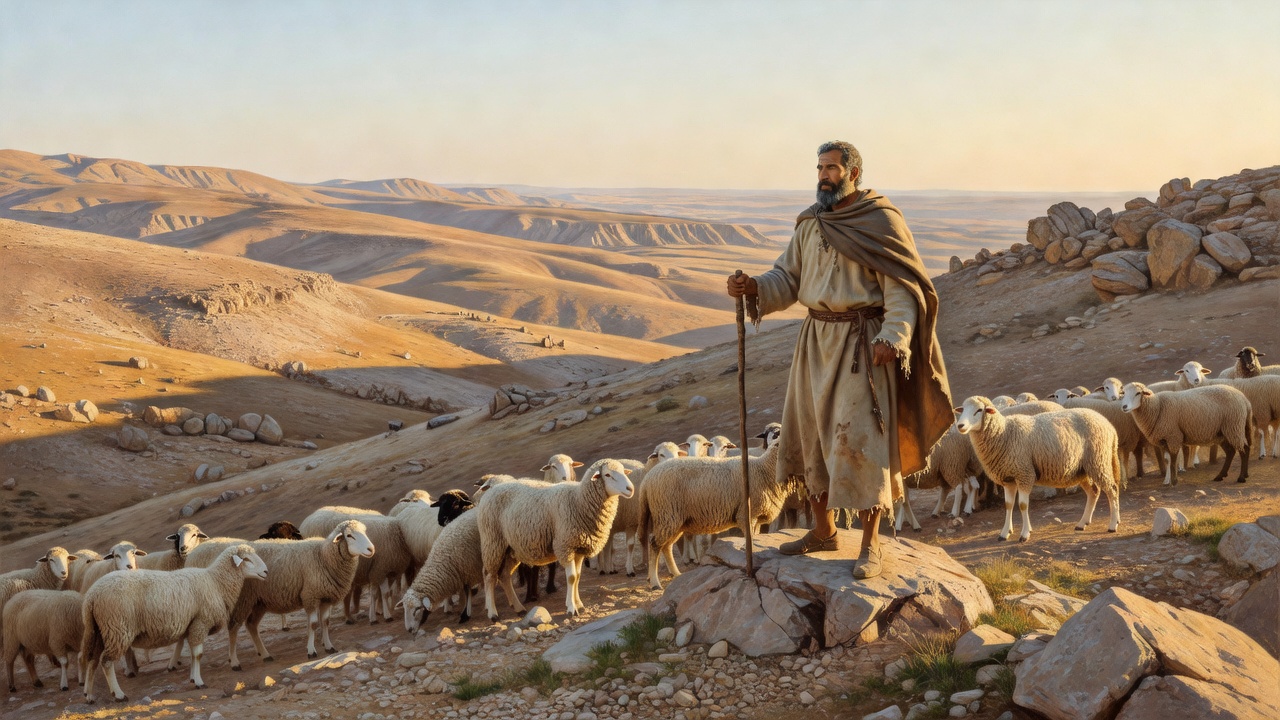
- Easton's Bible Dictionary (1897) presents Amos, whose name it explains as “borne” or “a burden,” as one of the twelve minor prophets. He was a man of humble birth from Tekoa, the modern Tekua, about twelve miles southeast of Bethlehem, and he described himself as neither a prophet nor a prophet’s son, but a herdsman and a dresser of sycomore trees.Sources: Easton: Amos · Amos
- Easton places Amos’s prophecy in the days of Uzziah, king of Judah, and treats him as a contemporary of Isaiah and Hosea, who outlived him by a few years. The same dictionary dates the reign of Jeroboam II, under whom Amos spoke, to 825–784 B.C.Sources: Easton: Amos · Jeroboam
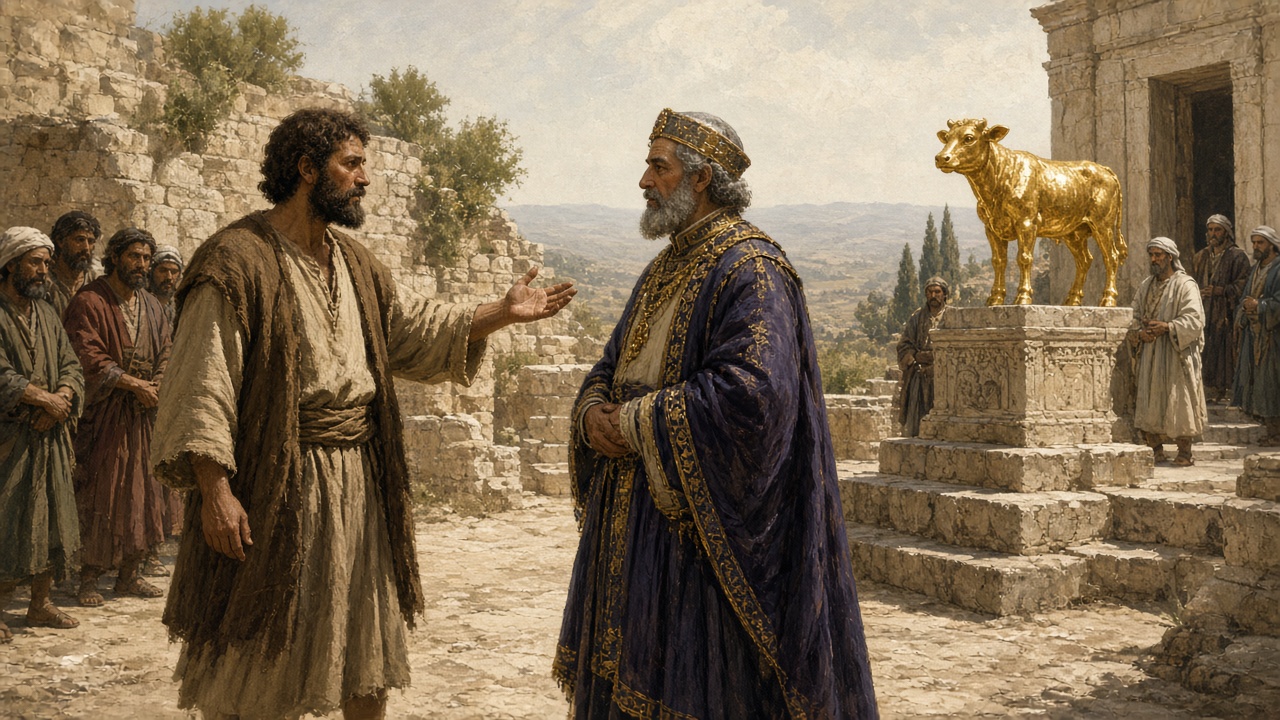
- Easton describes Jeroboam II’s reign as the most prosperous Israel had yet known: he defeated the Syrians and extended the kingdom from the entrance of Hamath to the sea of the plain, while keeping up the worship of the golden calves. With that prosperity, Easton says, came widespread luxury, vice, and idolatry, and Amos was called out of obscurity to speak of retributive justice and to summon the people to repentance.Sources: Easton: Amos · Jeroboam
- Easton divides the book into three parts: judgment on the surrounding nations (Amos 1:1–2:3), the spiritual condition of Judah and especially of Israel (2:4–6:14), and five visions (7:1–9:10). He includes a conversation at Bethel, about ten miles north of Jerusalem, between Amos and Amaziah, priest of the golden calves, and he reads the ending as Israel’s overthrow followed by a promise of restoration and of what he calls the kingdom’s final glory in the Messiah’s kingdom.Sources: Easton: Amos · Amaziah · Bethel (of Palestine)
- Easton notes that Amos’s style is marked by many allusions to natural objects and agricultural work, and that other phrases suggest he knew the law as well as country life. Expressions Easton treats as peculiar to him include “cleanness of teeth,” meaning want of bread, “the excellency of Jacob,” “the high places of Isaac,” “the house of Isaac,” and “he that createth the wind”; a passage from Amos is quoted in Acts 7:42.Sources: Easton: Amos
Notes written with AI assistance from open sources (Theographic Bible Metadata, CC BY-SA 4.0; Easton’s Bible Dictionary, public domain) and reviewed before publishing.
Judgment on Israel’s Neighbors
1These are the words of Amos, who was among the sheepherders of Tekoa—what he saw concerning Israel two years before the earthquake, in the days when Uzziah was king of Judah and Jeroboam son of Jehoash was king of Israel. 2He said:
“The LORD roars from Zion
and raises His voice from Jerusalem;
the pastures of the shepherds mourn,
and the summit of Carmel withers.”
3This is what the LORD says:
“For three transgressions of Damascus, even four,
I will not revoke My judgment,
because they threshed Gilead
with sledges of iron.
4So I will send fire upon the house of Hazael
to consume the citadels of Ben-hadad.
5I will break down the gates of Damascus;
I will cut off the ruler of the Valley of Aven
and the one who wields the scepter in Beth-eden.
The people of Aram will be exiled to Kir,”
says the LORD.
6This is what the LORD says:
“For three transgressions of Gaza, even four,
I will not revoke My judgment,
because they exiled a whole population,
delivering them up to Edom.
7So I will send fire upon the walls of Gaza,
to consume its citadels.
8I will cut off the ruler of Ashdod
and the one who wields the scepter in Ashkelon.
I will turn My hand against Ekron,
and the remnant of the Philistines will perish,”
says the Lord GOD.
9This is what the LORD says:
“For three transgressions of Tyre, even four,
I will not revoke My judgment,
because they delivered up a whole congregation of exiles to Edom
and broke a covenant of brotherhood.
10So I will send fire upon the walls of Tyre
to consume its citadels.”
11This is what the LORD says:
“For three transgressions of Edom, even four,
I will not revoke My judgment,
because he pursued his brother with the sword
and stifled all compassion;
his anger raged continually,
and his fury flamed incessantly.
12So I will send fire upon Teman
to consume the citadels of Bozrah.”
13This is what the LORD says:
“For three transgressions of the Ammonites, even four,
I will not revoke My judgment,
because they ripped open the pregnant women of Gilead
in order to enlarge their territory.
14So I will kindle a fire in the walls of Rabbah
to consume its citadels
amid war cries on the day of battle
and a violent wind on the day of tempest.
15Their king will go into exile —
he and his princes together,”
says the LORD.
Did you know?
Judgment on the Surrounding Nations
- Amos was a shepherd from the town of Tekoa in Judah, but his prophetic ministry addressed the northern kingdom of Israel during the reigns of King Uzziah of Judah and King Jeroboam II of Israel, two years before a notable earthquake.Sources: the Bible text itself · Amos · Uzziah · Jeroboam
- The opening oracle against Damascus targets the house of Hazael and the citadels of his son Ben-hadad, Syrian kings who had invaded and ravaged the region of Gilead east of the Jordan River.Sources: the Bible text itself · Hazael · Ben-hadad · Gilead
- The oracle against Edom condemns the nation for pursuing its brother with the sword, echoing the ancestral connection between Edom and Israel traced back to the twin brothers Esau and Jacob.Sources: the Bible text itself · Esau (Edom) · Edom
Notes written with AI assistance from open sources (Theographic Bible Metadata, CC BY-SA 4.0; Easton’s Bible Dictionary, public domain) and reviewed before publishing.
Places in this chapter
- Tekoa · Today: Khirbet Teku’a · 31.632, 35.210 · verse 1
- Jerusalem · 31.777, 35.234 · verse 2
- Mount Carmel · 32.672, 35.023 · verse 2
- Zion · Today: Jerusalem · 31.777, 35.234 · verse 2
- Damascus · 33.511, 36.306 · verses 3, 5
- Gilead · Today: Gilead 1 · 32.187, 35.692 · verses 3, 13
- Beth-eden · 36.701, 38.087 · verse 5
- Syria · Today: Aram · 33.511, 36.306 · verse 5
- Edom · 30.746, 35.604 · verses 6, 9, 11
- Gaza · Today: Tell Harube · 31.504, 34.464 · verses 6, 7
- Ashdod · Today: Tel Ashdod · 31.757, 34.658 · verse 8
- Ashkelon · Today: Tel Ashkelon · 31.664, 34.546 · verse 8
- Ekron · Today: Tel Miqne · 31.777, 34.852 · verse 8
- Tyre · 33.271, 35.196 · verses 9, 10
- Ammon · 31.955, 35.934 · verses 13, 15
- Rabbah · Today: Amman · 31.955, 35.934 · verse 14
Only places identified with high confidence are shown (90% or more according to the scholarly sources compiled by OpenBible). Period map: DARE (Digital Atlas of the Roman Empire), CC BY 4.0; modern map: © OpenStreetMap contributors; places: OpenBible.info (CC BY 4.0).
Credits and license for this translation
Berean Standard Bible
The Holy Bible in English: Berean Standard Bible
Public Domain
Language: English
Contributor: BSB Publishing, LLC
2026-10-02
Source: http://ebible.org/engbsb/ · eBible.org