Psalms 37
Brenton Septuagint Translation · Tap a verse to see its cross-references.
Delight Yourself in the LORD
1A Psalm of David for remembrance concerning the Sabbath-day.
2O Lord, rebuke me not in thy wrath, neither chasten me in thine anger. 3For thy weapons are fixed in me, and thou hast pressed thy hand heavily upon me.
4For there is no health in my flesh because of thine anger; there is no peace to my bones because of my sins. 5For my transgressions have gone over mine head: they have pressed heavily upon me like a weighty burden. 6My bruises have become noisome and corrupt, because of my foolishness. 7I have been wretched and bowed down continually: I went with a mourning countenance all the day. 8For my soul is filled with mockings; and there is no health in my flesh. 9I have been afflicted and brought down exceedingly: I have roared for the groaning of my heart.
10But all my desire is before thee; and my groaning is not hidden from thee. 11My heart is troubled, my strength has failed me; and the light of mine eyes is not with me. 12My friends and my neighbours drew near before me, and stood still; and my nearest of kin stood afar off. 13While they pressed hard upon me that sought my soul: and they that sought my hurt spoke vanities, and devised deceits all the day. 14But I, as a deaf man, heard not; and was as a dumb man not opening his mouth. 15And I was as a man that hears not, and who has no reproofs in his mouth.
16For I hoped in thee, O Lord: thou wilt hear, O Lord my God. 17For I said, Lest mine enemies rejoice against me: for when my feet were moved, they spoke boastingly against me. 18For I am ready for plagues, and my grief is continually before me. 19For I will declare mine iniquity, and be distressed for my sin. 20But mine enemies live, and are mightier than I: and they that hate me unjustly are multiplied. 21They that reward evil for good slandered me; because I followed righteousness. 22Forsake me not, O Lord my God: depart not from me. 23Draw nigh to my help, O Lord of my salvation.
Did you know?
Wisdom on the Fate of the Righteous and the Wicked
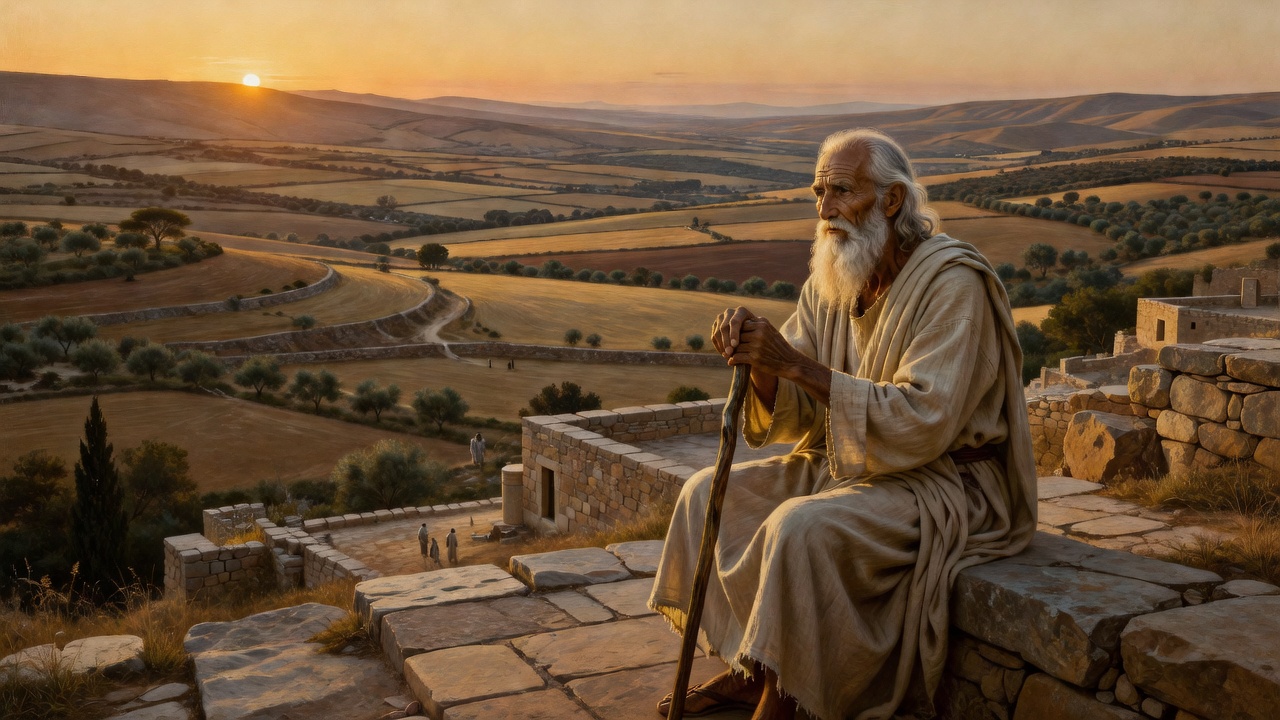
- The psalm is framed as reflection from a lifetime of observation, with the speaker noting that from youth to old age he has watched how the righteous and the wicked fare. Rather than a direct prayer or lament, it functions as wisdom poetry offering counsel to remain patient and avoid fretting over the temporary success of evil.Sources: the Bible text itself
- Throughout the poem, the promise of inheriting and dwelling securely in the land is repeated as the lasting outcome for the humble and righteous. By contrast, the transient prosperity of the wicked is illustrated through agricultural imagery, such as grass that withers quickly, vanishing smoke, and a flourishing tree that abruptly disappears.Sources: the Bible text itself
Notes written with AI assistance from open sources (Theographic Bible Metadata, CC BY-SA 4.0; Easton’s Bible Dictionary, public domain) and reviewed before publishing.
Places in this chapter
- Lebanon · 33.540, 35.584 · verse 35
Only places identified with high confidence are shown (90% or more according to the scholarly sources compiled by OpenBible). Period map: DARE (Digital Atlas of the Roman Empire), CC BY 4.0; modern map: © OpenStreetMap contributors; places: OpenBible.info (CC BY 4.0).
Credits and license for this translation
Translation of the Greek Septuagint into English by Sir Lancelot Charles Lee Brenton
Published in 1851, and now in the Public Domain.
If you find errors in the text, please report them so that we can correct them.
Section headings adapted from the Berean Standard Bible (public domain); they are not part of this translation’s text.
Source: http://ebible.org/eng-Brenton/ · eBible.org