Proverbs 13
Brenton Septuagint Translation · Tap a verse to see its cross-references.
A Father’s Discipline
1A wise son is obedient to his father: but a disobedient son will be destroyed. 2A good man shall eat of the fruits of righteousness: but the lives of transgressors shall perish before their time. 3He that keeps his own mouth keeps his own life: but he that is hasty with his lips shall bring terror upon himself. 4Every slothful man desires, but the hands of the active are diligent. 5A righteous man hates an unjust word: but an ungodly man is ashamed, and will have no confidence. 7There are some who, having nothing, enrich themselves: and there are some who bring themselves down in the midst of much wealth.
8A man's own wealth is the ransom of his life: but the poor endures not threatening. 9The righteous always have light: but the light of the ungodly is quenched. 9Crafty souls go astray in sins: but just men pity, and are merciful. 10A bad man does evil with insolence: but they that are judges of themselves are wise. 11Wealth gotten hastily with iniquity is diminished: but he that gathers for himself with godliness shall be increased. The righteous is merciful, and lends. 12Better is he that begins to help heartily, than he that promises and leads another to hope: for a good desire is a tree of life. 13He that slights a matter shall be slighted of it: but he that fears the commandment has health of soul. 13To a crafty son there shall be nothing good: but a wise servant shall have prosperous doings, and his way shall be directed aright.
14The law of the wise is a fountain of life: but the man void of understanding shall die by a snare. 15Sound discretion gives favour, and to know the law is the part of a sound understanding: but the ways of scorners tend to destruction.
16Every prudent man acts with knowledge: but the fool displays his own mischief. 17A rash king shall fall into mischief: but a wise messenger shall deliver him. 18Instruction removes poverty and disgrace: but he that attends to reproofs shall be honoured. 19The desires of the godly gladden the soul, but the works of the ungodly are far from knowledge. 20If thou walkest with wise men thou shalt be wise: but he that walks with fools shall be known. 21Evil shall pursue sinners; but good shall overtake the righteous. 22A good man shall inherit children's children; and the wealth of ungodly men is laid up for the just. 23The righteous shall spend many years in wealth: but the unrighteous shall perish suddenly.
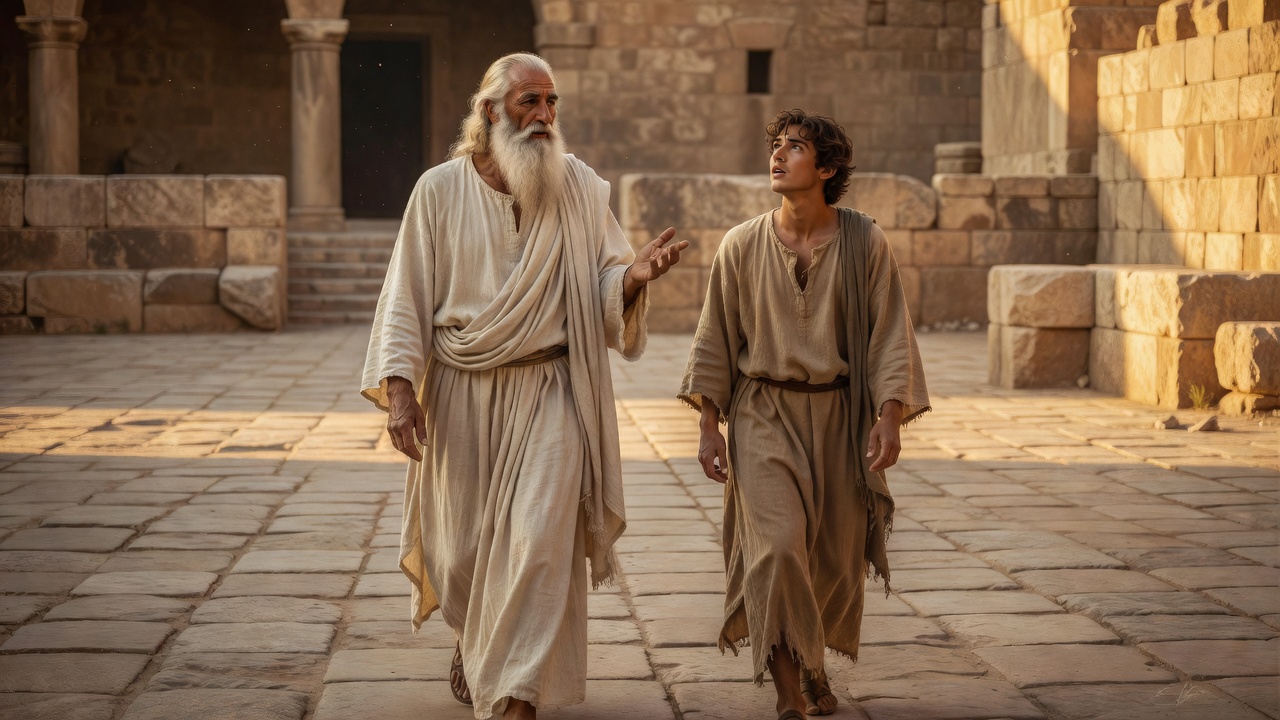
24He that spares the rod hates his son: but he that loves, carefully chastens him. 25A just man eats and satisfies his soul: but the souls of the ungodly are in want.
Did you know?
Wisdom in Wealth, Speech, and Companionship
- Proverbs 13 explores the illusions and social realities of wealth, observing that some pretend to be rich while having nothing, whereas others pretend to be poor yet possess great assets. It also notes that great riches can expose a person to threats and ransoms, whereas the poor are spared such dangers.Sources: the Bible text itself
- The chapter uses vivid organic imagery to portray the emotional and practical benefits of wisdom. A fulfilled longing is described as a tree of life, and the instruction of the wise is called a fountain of life that steers a person away from deadly snares.Sources: the Bible text itself
- A person's character and fate are shown to be shaped by association and speech. Walking alongside the wise produces wisdom while consorting with fools leads to ruin, just as carefully guarding one's words protects life while reckless talk invites destruction.Sources: the Bible text itself
Notes written with AI assistance from open sources (Theographic Bible Metadata, CC BY-SA 4.0; Easton’s Bible Dictionary, public domain) and reviewed before publishing.
Credits and license for this translation
Translation of the Greek Septuagint into English by Sir Lancelot Charles Lee Brenton
Published in 1851, and now in the Public Domain.
If you find errors in the text, please report them so that we can correct them.
Section headings adapted from the Berean Standard Bible (public domain); they are not part of this translation’s text.
Source: http://ebible.org/eng-Brenton/ · eBible.org