Genesis 8
Asɨ dɨ manasɨŋ · Tap a verse to see its cross-references.
Avɨli hekɨlɨ agaŋ magɨla mɨgu fɨhalami.
1Lɨci Asɨ agaŋ Noa ani ani hunɨga hekɨlɨ agadɨ muji hɨvɨ hɨniavɨmi agɨlasaŋ hɨji igahɨlami. Sɨhɨm sabaŋ akuaba akuaba hunɨga hekɨlɨ agadɨ muji hɨvɨ hɨniavɨmi agɨlasaŋ avi hɨji igahɨlami. Lavɨla abɨci huŋe agaŋ vedaci avɨli hekɨlɨ agaŋ hɨdɨlɨ maha magɨlami. 2Avɨli fɨli muji hɨnihɨni vubɨlɨm daŋ vubɨlɨm daŋ iahaiaha hɨnimi agaŋ heŋ valami. Avɨli iahua uaiaŋ susu hɨvɨ hɨnihɨni mɨgami agaŋ avi sɨkasɨkan valami. 3Lɨci avɨli agaŋ magɨla magɨla mɨgudaci uaiaŋ 148 umi. 4Lɨci Noa dɨ hualɨ lugɨlavɨci ua 600 agaŋ iahami. Lɨci hualɨ mu iaha hɨnidaci avaŋ human limu fɨhala human limu pabiŋ cɨjɨŋ umi. Lɨci avaŋ mu iaha hɨnidaci uaiaŋ human limu limu fɨhala hɨcɨ limu fɨhala hɨcɨ limu pabiŋ cɨjɨŋ umi. Lɨci amɨli me hɨvɨ hunɨga hekɨlɨ agaŋ Alalatɨ fɨli tɨbɨ halu daŋ halu daŋ heŋ fɨli avɨli muji hɨnimi agadɨ hɨvɨ mɨgahɨnimi. 5Mɨgahɨnidaci avɨli agaŋ simɨsimɨ magɨla magɨla mɨgudaci avaŋ agaŋ ahica tɨbɨ mɨgua iahɨci cɨhu mu mɨgua iahɨci uaiaŋ heŋ ala halu huva huva agɨlaŋ pam iahavɨmi.
6Iahavɨci uaiaŋ 38 uci Noa agaŋ hunɨga hekɨlɨ huŋe uu veve hɨbɨ nɨbu nukeŋ vimi agadɨ lavɨlami. 7Lavɨlavɨla havaŋ mu hegumiŋ me agadɨ valɨci vuhavɨla umi. Uavɨla cɨhu ma vemi. Vuhavuha hɨdɨdaci avɨli hekɨlɨ agaŋ sɨkasɨkan magɨla mɨgu fɨhalɨci fɨli agaŋ haiabɨla iahami. 8Havaŋ hegumiŋ me agaŋ vuha uavɨla hɨdɨdaci Noa agaŋ havaŋ mu ibɨlabi agadɨ valɨci vuhavɨla umi. Avɨli ci magɨla mɨgu fɨhali ua hɨma aba nusaŋ havaŋ agadɨ valɨci vuhavɨla umi. 9Lɨci ala hɨma. Avɨli agaŋ fɨli agadɨ hanɨbuŋ mɨŋamɨgua hɨnidaci havaŋ ibɨlabi agaŋ mɨgahɨnihɨni hɨsɨŋ fipɨ cɨki avi ma igami. Lavɨla cɨhu vemi. Veci Noa agaŋ human lamɨci ivouci havaŋ ibɨlabi agadɨ via ivavemi. 10La makamɨŋa hɨnidaci uaiaŋ human limu fɨhala uci cɨhu ala havaŋ ibɨlabi agadɨ valɨci umi. 11Ua hɨdahɨda hɨfɨlɨdaŋ sɨbaŋ kɨlɨ olivɨ asɨŋ muvɨ agadɨ iavahɨlavɨla Noa dɨ pɨŋ cɨhu ve iahami. Lɨci Noa agaŋ igavɨla abami. Avɨli hekɨlɨ agaŋ ci magɨla mɨguadi uami. 12Lavɨla makamɨŋa hɨnidaci uaiaŋ human limu fɨhala uci cɨhu havaŋ ibɨlabi agadɨ valɨci umi. Uavɨla cɨhu ma vemi. Sɨkasɨkan umi.
13Lɨci Noa dɨ hualɨ lugɨlavɨci ua 601 agaŋ iahami. Lɨci hualɨ mu iahɨci uaiaŋ heŋ ala avɨli hekɨlɨ agaŋ magɨla mɨgu fɨhalami. Lɨci Noa agaŋ hunɨga hekɨlɨ ulaŋ huva me agadɨ mɨŋavɨkɨlavɨla igoua igave igɨci fɨli agaŋ subɨlɨben aba lɨmi. 14Hualɨ heŋ ala avaŋ mu mɨgua iaha hɨdɨdaci uaiaŋ 26 uci amɨli me hɨvɨ fɨli agaŋ sɨkasɨkan subɨla fɨhalami.
15Lɨci Asɨ agaŋ Noa dɨ abami. 16Nama nadɨ abina hula hunɨga hekɨlɨ nagadɨ valavɨla fɨli mɨguhalaŋ uami. Nadɨ ninadina ahica pam agɨlaŋ nulɨdɨ abinadinɨlu agɨlaŋ hula hunɨga hekɨlɨ nagadɨ valavɨla fɨli mɨguavɨm uami. 17Sɨhɨm sabaŋ uleŋ hɨsɨŋ saua hɨsɨŋ lahu havaŋ akuaba akuaba agɨlaŋ avi mɨguavɨm uami. Mɨguavɨla sɨhɨm sabaŋ lahu havaŋ akuaba akuaba agɨlaŋ abeba abeba uavɨm uami. Uavɨla ninaŋ mɨgua habɨlavɨm uami. Mɨgua habɨla fɨli nagadɨ sɨkasɨkan fɨhalavɨm uami. 18Lɨci Noa tamaŋ nulɨdɨ ninadinɨlu ahica pam agɨlaŋ nulɨdɨ abinadinɨlu ahuata hameŋ mɨguavɨmi. 19Sɨhɨm sabaŋ uleŋ hɨsɨŋ saua hɨsɨŋ lahu havaŋ akuaba akuaba hɨdɨlɨ hɨtɨŋ hɨtɨŋ agɨlaŋ avi hunɨga hekɨlɨ agadɨ valavɨla fɨli mɨguavɨmi.
20Mɨguavɨla Noa agaŋ Asɨ Iaue saŋ sagalɨ hɨlahɨla hɨsɨŋ lɨba vadɨm ibilami. Ibila fɨhalavɨla sɨhɨm sabaŋ hɨdɨlɨ hɨtɨŋ hɨtɨŋ hɨbuŋ apalɨ apalɨ agɨladɨ pabiŋ lɨdɨŋ pabiŋ lɨdɨŋ likɨlami. Havaŋ avi hɨdɨlɨ hɨtɨŋ hɨtɨŋ hɨbuŋ apalɨ apalɨ agɨladɨ pabiŋ lɨdɨŋ pabiŋ lɨdɨŋ likɨlami. Likɨlavɨla ifɨhɨmuhɨmu uavɨla sagalɨ iguben aba lɨba vadɨm hɨvɨ mɨŋaiahua lama avɨŋ hɨvɨ hɨla fɨhalami. 21Hɨlɨdaci hɨsi huaci huaci agɨlaŋ iahuavɨdaci Asɨ Iaue agaŋ hɨsi iga iga hɨji nameŋ lamami. Hulaŋ iamɨgali mɨnibɨlɨ hɨnihɨni lusɨŋ sɨbɨlɨ vivi hɨji pam lamavɨlalɨ uami. Hameŋ agasaŋ ala viaŋ akuaba akuaba agɨladɨ sɨbɨlɨ igavɨla ifɨhɨma fɨhalacin uami. Agadɨ ala akuaba akuaba sɨbɨlɨ lamacin hameŋ cɨhu cɨhu ma sɨbɨlɨ lamɨben uami. 22Fɨli nagaŋ hɨnidaci sɨmɨŋ hulihuli hɨmiŋ hɨnibali uami. Uli mavamava hɨmiŋ hɨnibali uami. Vumɨli saŋ hɨmahɨma hɨmiŋ hɨnibali uami. Vubɨŋ fɨhala fɨhala hɨmiŋ hɨnibali uami. Avɨli hɨmiŋ hɨnibali uami. Uaiaŋ hɨmiŋ hɨnibali uami. Uaiadi hɨnibali uami. Hɨfɨlɨ hɨnibali uami. Akuaba akuaba hɨmiŋ agɨlaŋ hameŋ laci hameŋ laci ala hɨniavɨbali uami.
Did you know?
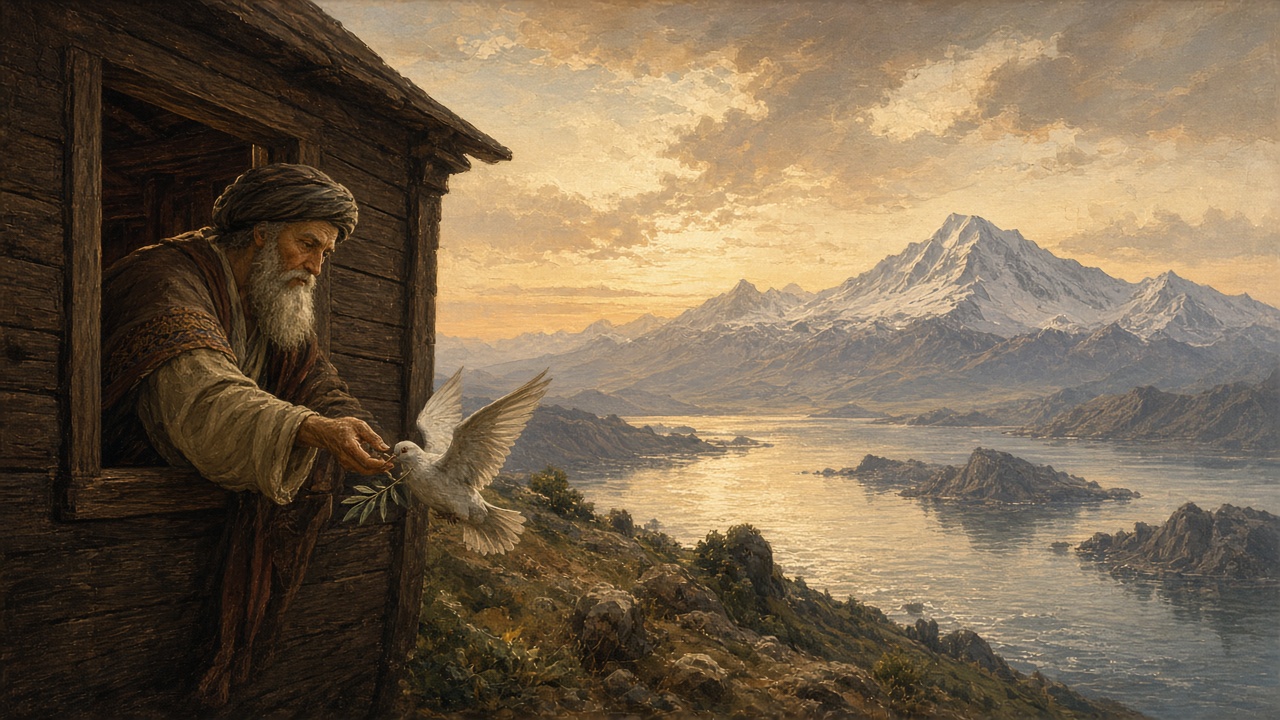
The Waters Recede
- The ark came to rest on the mountains of Ararat, a name meaning “sacred land” or “high land” for a country on whose mountains the ark settled after the flood. Easton's Bible Dictionary (1897) suggests those mountains were probably the Kurdish range of southern Armenia, though the name is also commonly applied to a high, almost inaccessible peak rising from the plain of the Araxes. In 2 Kings 19:37 and Isaiah 37:38 the Authorized Version renders the name “Armenia” and the Revised Version “land of Ararat,” while Jeremiah 51:27 uses it for central or southern Armenia.Sources: Ararat · the Bible text itself
- Noah’s Hebrew name means “rest,” and in this chapter the ark itself comes to rest as the waters go down. He was the son of Lamech and the grandson of Methuselah, and the father of Shem, Ham, and Japheth. Easton's Bible Dictionary describes him as the connecting link between the old world and the new, and as a second great progenitor of the human family.Sources: Noah · the Bible text itself
- Chronological notes place the Great Flood in 2347 BC, lasting one year; the subsiding of the waters in 2346 BC, over 220 days; and the leaving of the ark in 2346 BC, as a single day. In the chapter itself, the waters have gone down after 150 days and the ark rests on the seventeenth day of the seventh month; on the first day of the first month of Noah’s six hundred and first year the waters have dried up, and by the twenty-seventh day of the second month the earth is fully dry.Sources: The Great Flood · The flood subsides · Leaving the Ark · the Bible text itself
Notes written with AI assistance from open sources (Theographic Bible Metadata, CC BY-SA 4.0; Easton’s Bible Dictionary, public domain) and reviewed before publishing.
Places in this chapter
- Ararat · Today: Urartu · 39.703, 44.300 · verse 4
Only places identified with high confidence are shown (90% or more according to the scholarly sources compiled by OpenBible). Period map: DARE (Digital Atlas of the Roman Empire), CC BY 4.0; modern map: © OpenStreetMap contributors; places: OpenBible.info (CC BY 4.0).
Credits and license for this translation
Asɨ dɨ manasɨŋ
Genesis, Exodus and the New Testament in the Apal language of Papua New Guinea
Buk Baibel long tokples Apali long Niugini
copyright © 2022 Pioneer Bible Translators
Language: Apalɨ (Apal)
Contributor: Pioneer Bible Translators
This translation is made available to you under the terms of the
Creative Commons Attribution Share-Alike license 4.0.
You have permission to share and redistribute this Bible translation in any format and to make reasonable revisions and adaptations of this translation, provided that:
You include the above copyright and source information.
If you make any changes to the text, you must indicate that you did so in a way that makes it clear that the original licensor is not necessarily endorsing your changes.
If you redistribute this text, you must distribute your contributions under the same license as the original.
Pictures included with Scriptures and other documents on this site are licensed just for use with those Scriptures and documents.
For other uses, please contact the respective copyright owners.
Note that in addition to the rules above, revising and adapting God's Word involves a great responsibility to be true to God's Word. See Revelation 22:18-19.
2023-04-06
Source: http://ebible.org/ena/ · eBible.org