Genesis 28
Asɨ dɨ manasɨŋ · Tap a verse to see its cross-references.
1Lɨci Aisakɨ agaŋ Jekopɨ dɨ abɨci veci nudɨ huaci lamavɨla ciaŋ vɨdɨvɨdɨŋ iguavɨla abami. Nama Kenan fɨli tɨbɨ hɨsɨŋ iamɨgali vimɨnaŋ uami. 2Nama Mesopotemia fɨli tɨbɨ uavɨla Betuelɨ dɨ ulaŋ heŋ hɨniha uami. Betuelɨ nɨbu iamɨna dɨ iaganu uami. La ahuana Laban dɨ nadi mu sabiha uami. 3Asɨ vɨdɨvɨdɨŋ hekɨlɨ daŋ agaŋ nadɨ huaci lamavɨla nasaŋ ninanadi akape igubali uami. Iguci habɨla nadɨ iamɨlɨhalina agɨlaŋ hɨdɨlɨ akape hɨniavɨbali uami. 4Asɨ Ebɨlam dɨ huaci lamami hameŋ laci ala nadɨdaŋ nadɨ iamɨlɨhalina agɨladɨdaŋ huaci lamɨbali uami. Lɨci fɨli tɨbɨ ihɨlɨŋ ve hɨnidanaŋ nagadɨ vibanaŋ uami. Asɨ agaŋ fɨli tɨbɨ nagadɨ Ebɨlam saŋ igumi uami. 5Aisakɨ hameŋ abavɨla Jekopɨ dɨ abɨci Mesopotemia fɨli tɨbɨ Laban dɨ hɨvɨ umi. Laban nɨbu Betuelɨ ninanu. Betuelɨ nɨbu Alam hɨdɨlɨ. Laban nɨbu Lebeka dɨ amunu. Lebeka ha Jekopɨ dɨ Iso dɨ iamɨnɨlu.
Iso iamɨgali mu sabimi.
6Aisakɨ agaŋ Jekopɨ dɨ hameŋ abɨci hulaŋ hɨhɨle igahɨlavɨla ua Iso dɨ abavɨmi. Aisakɨ agaŋ Jekopɨ dɨ huaci lamavɨla ciaŋ vɨdɨvɨdɨŋ iguavɨla nameŋ abalɨ uavɨmi. Kenan fɨli tɨbɨ hɨsɨŋ iamɨgali vimɨnaŋ aba abalɨ uavɨmi. Mesopotemia fɨli tɨbɨ uavɨla heŋ hɨsɨŋ iamɨgali viha aba abalɨ uavɨmi. Hameŋ abɨci Jekopɨ agaŋ iamiaganu dɨ ciaŋ igahɨlavɨla Mesopotemia fɨli tɨbɨ ci ualɨ uavɨmi. 8Lɨhavɨci Iso igahɨlɨci nudɨ hɨji heŋ tovemi. Toveci abami. Amɨŋ ala iadɨ iavaŋ Kenan fɨli tɨbɨ hɨsɨŋ iamɨgali saŋ vali uami. 9Lavɨla Isɨmaelɨ dɨ hɨvɨ uavɨla iamɨgali mu sabimi. Iamɨgali agadɨ ibi Mahalatɨ. Nudɨ amunu Nebaiotɨ. Iaganɨlu Isɨmaelɨ. Iauacanɨlu Ebɨlam.
Jekopɨ agaŋ anisɨhu igami.
10Jekopɨ agaŋ Belɨseba avɨli sɨmɨ tulɨ agadɨ valavɨla Halan haiabɨla saŋ umi. 11Udaci uaiaŋ mɨguci hɨbɨ cina heŋ hɨsɨvami. Lɨba mu agadɨ viavɨla nudɨ hali sagualavɨla hɨsɨvami. 12Hɨsɨvavɨla anisɨhu hɨvɨ ulaŋ hɨbɨ iahuiahu mɨgamɨga me agadɨ igami. Hɨdɨlɨ nudɨ fɨli hɨnimi. Hɨvɨhɨvɨ nudɨ iahua Asɨ dɨ haiabɨla hɨnimi. Lɨci Asɨ dɨ ciaŋ hali hɨsɨŋ agɨlaŋ hɨbɨ heŋ mɨgamɨga iahuiahu hɨdavɨmi. 13Lɨhavɨdaci Asɨ Iaue agaŋ Jekopɨ dɨ mikɨ pɨŋ lagulamavɨla abami. Viaŋ Asɨ Iaue uami. Viaŋ iauacana Ebɨlam dɨ Asɨ uami. Viaŋ iagana Aisakɨ dɨ Asɨ uami. Fɨli hɨsɨvadanaŋ agadɨ viaŋ nasadaŋ nadɨ iamɨlɨhalina agɨlasadaŋ iguben uami. 14Nadɨ iamɨlɨhalina agɨlaŋ akape sɨbaŋ iaha habɨla hacɨŋ hɨlɨcɨ me hɨniavɨbali uami. La latɨhavɨla hɨhɨle uaiaŋ iahaiaha kɨlikɨli uavɨbali uami. Hɨhɨle uaiaŋ mɨgumɨgu kɨlikɨli uavɨbali uami. Hɨhɨle ium kɨlikɨli uavɨbali uami. Hɨhɨle lakulamaŋ kɨlikɨli uavɨbali uami. Viaŋ nasadaŋ nadɨ iamɨlɨhalina agɨlasadaŋ igahɨlavɨla hɨdɨlɨ mu mu fɨli neŋ hɨniavɨlalɨ agɨladɨ avi huaci lamɨben uami. 15Ci igɨnaŋ uami. Nama abeba abeba ubanaŋ ha viaŋ nama hula hɨnihɨni nadɨ migɨlɨben uami. La nadɨ cɨhu neŋ vaveben uami. Viaŋ nadɨ ma valɨben uami. Akuaba akuaba abin agɨlaŋ hameŋ laci ala lɨhavɨbali uami. 16Jekopɨ agaŋ anisɨhu igavɨla iaha abami. Amɨŋ ala uami. Asɨ Iaue neŋ hɨnilalɨ agadɨ viaŋ ma igɨmaŋ lavɨla neŋ hɨsɨvin uami. 17La lɨdavɨla abami. Viaŋ uvɨ nagasaŋ lɨdadin uami. Na Asɨ dɨ hɨnihɨni hɨsɨŋ uvɨ uami. Na Asɨ dɨ haiabɨla hɨbɨ ivu ivu ivaveve me uami. Jekopɨ agaŋ anisɨhu igami.|src="C-020.jpg" size="col" copy="NTM" ref="28.12"
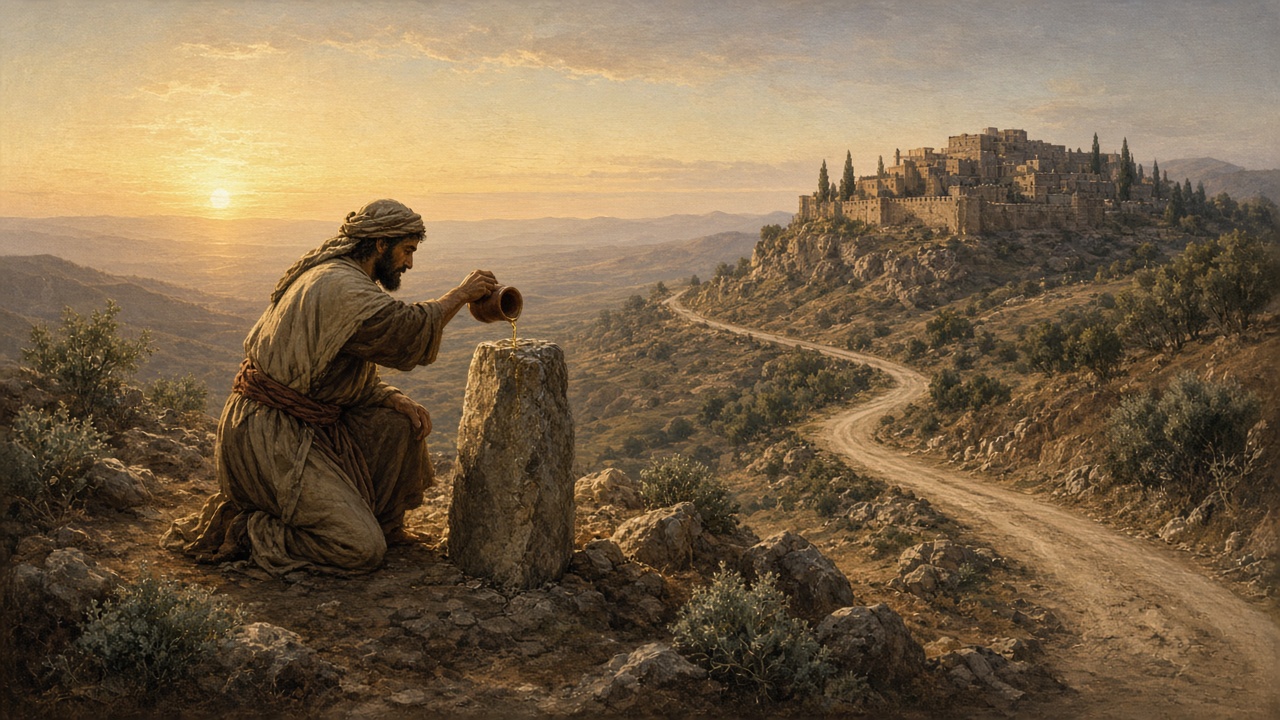
18La cɨhu hɨsɨvavɨla cimɨdaŋ sɨbaŋ iahami. Iahavɨla lɨba hali saguala ani hɨnimi agadɨ mɨŋaiaha lalɨlamami. Uvɨ heŋ ala Asɨ dɨ igami agadɨ hɨji mɨŋaiahaiaha saŋ lalɨlamami. La lɨba agaŋ Asɨ dɨ nukeŋ lɨba hɨnibali aba kɨlɨ olivɨ agɨladɨ amɨŋ agɨladɨ mɨtɨ agadɨ lɨba agadɨ sabɨ hɨvɨ mɨŋamɨjimi. 19Mɨŋamɨjiavɨla fipɨ agadɨ ibi lamavɨla abami. Betelɨ uami. Vaka haiabɨla heŋ hɨniadami agadɨ ibi Lusɨ. 20La Jekopɨ ciaŋ mɨgua Asɨ Iaue dɨ abami. Nama viaŋ hula hɨnihɨni iadɨ migɨlɨdanaŋ hɨbɨ hutesɨ agadɨ hɨdɨben uami. Hɨdɨdalɨŋ iasaŋ muhɨlɨ havɨlɨ sɨmɨŋ akuaba akuaba agɨladɨ igubanaŋ uami. 21Lɨnaŋ viaŋ iadɨ iavaŋ dɨ pɨŋ cɨhu ve iaha huaci hɨnilɨŋ ha Asɨ Iaue nama iadɨ Asɨ hɨnibanaŋ uami. 22Lɨba nagadɨ ci mɨŋaiaha lalɨlamin uami. Lɨba nagaŋ neŋ hɨnidaci uvɨ nagaŋ nadɨ hɨnihɨni hɨsɨŋ uvɨ hɨnibali uami. Akuaba akuaba iasaŋ igubanaŋ agɨladɨ human limu limu fɨhala mɨguŋ lamɨben uami. Lamɨlɨŋ hɨniavɨdaci labɨlavɨla pabiŋ mɨguŋ nasaŋ iguben uami.
Did you know?
Jacob's Journey and Dream at Bethel
- Isaac sent Jacob from Beersheba to Paddan-aram to take a wife from the daughters of Laban, his mother Rebekah's brother, rather than from the Canaanite women. Paddan-aram, called the plain of Aram, is commonly regarded as the Mesopotamian district around Haran, where Laban lived; Haran, also called the city of Nahor, was where Abraham stayed after leaving Ur until his father Terah died.Sources: the Bible text itself · Paddan-aram · Haran · Laban
- The place where Jacob dreamed, set up as a pillar the stone he had put under his head, and poured oil on it was the royal Canaanite city of Luz; he renamed it Bethel. Easton's Bible Dictionary (1897) locates Bethel in central Palestine, about ten miles north of Jerusalem, and notes that the name was at first apparently given to a sanctuary in the neighborhood of Luz, and was not given to the city itself until after the tribe of Ephraim conquered it.Sources: the Bible text itself · Luz · Bethel (of Palestine)
- When Esau learned that Isaac had blessed Jacob and ordered him not to marry a Canaanite woman, he went to Ishmael and married Mahalath, sister of Nebaioth and daughter of Abraham's son Ishmael, in addition to the wives he already had. Easton's Bible Dictionary (1897) also calls her Bashemath and notes that Esau's three wives receive different names in the Edomite genealogy of Genesis 36 from those given in the narrative of Genesis 26 and 28.Sources: the Bible text itself · Bashemath
Notes written with AI assistance from open sources (Theographic Bible Metadata, CC BY-SA 4.0; Easton’s Bible Dictionary, public domain) and reviewed before publishing.
Places in this chapter
- Canaan · 32.767, 35.333 · verses 1, 6, 8
- Haran · Today: Harran · 36.864, 39.033 · verse 10
- Luz · Today: Beitin · 31.923, 35.241 · verse 19
Only places identified with high confidence are shown (90% or more according to the scholarly sources compiled by OpenBible). Period map: DARE (Digital Atlas of the Roman Empire), CC BY 4.0; modern map: © OpenStreetMap contributors; places: OpenBible.info (CC BY 4.0).
Credits and license for this translation
Asɨ dɨ manasɨŋ
Genesis, Exodus and the New Testament in the Apal language of Papua New Guinea
Buk Baibel long tokples Apali long Niugini
copyright © 2022 Pioneer Bible Translators
Language: Apalɨ (Apal)
Contributor: Pioneer Bible Translators
This translation is made available to you under the terms of the
Creative Commons Attribution Share-Alike license 4.0.
You have permission to share and redistribute this Bible translation in any format and to make reasonable revisions and adaptations of this translation, provided that:
You include the above copyright and source information.
If you make any changes to the text, you must indicate that you did so in a way that makes it clear that the original licensor is not necessarily endorsing your changes.
If you redistribute this text, you must distribute your contributions under the same license as the original.
Pictures included with Scriptures and other documents on this site are licensed just for use with those Scriptures and documents.
For other uses, please contact the respective copyright owners.
Note that in addition to the rules above, revising and adapting God's Word involves a great responsibility to be true to God's Word. See Revelation 22:18-19.
2023-04-06
Source: http://ebible.org/ena/ · eBible.org