Genesis 25
Asɨ dɨ manasɨŋ · Tap a verse to see its cross-references.
Ebɨlam iamɨgali mu sabimi.
1Ebɨlam agaŋ iamɨgali mu sabimi. Nudɨ ibi Ketula. 2Ketula dɨ ninadinu agɨladɨ ibi nameŋ. Mu Simɨlan. Mu Jokɨsan. Mu Medan. Mu Midian. Mu Isɨbakɨ. Mu Suahɨ. 3Jokɨsan nɨbu Seba dɨ Dedan dɨ iaganɨlu. Dedan nɨbu hɨdɨlɨ nameŋ agɨladɨ iamɨlɨnɨlu. Mu Aculɨ hɨdɨlɨ. Mu Letusɨ hɨdɨlɨ. Mu Leum hɨdɨlɨ. 4Midian dɨ ninadinu agɨladɨ ibi nameŋ. Mu Efa. Mu Efelɨ. Mu Hanokɨ. Mu Abida. Mu Elɨda. Hulaŋ agɨlaŋ Ketula dɨ ninadinu ajihalinu iamɨlɨhalinu. 5Ebɨlam agaŋ nudɨ akuaba akuaba agɨladɨ ninanu Aisakɨ saŋ igu igu saŋ abami. 6Agadɨ ala nɨbu hɨhi hɨnihɨni akuaba akuaba limu hɨhɨle agɨladɨ nudɨ iamɨgali hɨvɨ agɨladɨ ninaŋ agɨlasaŋ igumi. Iguavɨla abɨci fɨli tɨbɨ uaiaŋ iahaiaha kɨlikɨli heŋ uavɨmi. Ninanu Aisakɨ dɨ mikɨ pɨŋ hɨniavɨmɨdɨ uavɨla abɨci uavɨmi.
Ebɨlam hɨmɨci nudɨ lɨba haca hɨvɨ hudavɨmi.
7Ebɨlam dɨ hualɨ lugɨlavɨci ua 175 iahami. 8Lɨci nɨbu hadi hadi sɨbaŋ lavɨla hɨjɨŋalaŋala hɨniavɨla hɨmami. Hɨmɨci nudɨ amɨŋ agaŋ uavɨla nudɨ iamɨlɨhalinu dɨ amɨŋ hɨniavɨhadami heŋ hɨnimi. 9Hɨmɨci nudɨ ninaŋ ahica Aisakɨ hula Isɨmaelɨ hula nudɨ lɨba haca Makɨpela fɨli tɨbɨ hɨniadami heŋ hudavɨmi. Makɨpela fɨli tɨbɨ ha Mamɨle haiabɨla mikɨ hɨniadami. Vaka Ebɨlam agaŋ Sohalɨ dɨ ninaŋ Efɨlon saŋ anɨm hɨlɨcɨ iguavɨla fɨli tɨbɨ lɨba haca daŋ agadɨ vimi. Sohalɨ nɨbu Hitɨ hɨdɨlɨ. Viavɨla abinu Sela dɨ valɨ agadɨ lɨba haca heŋ ala hudami. Lɨci Aisakɨ hula Isɨmaelɨ hula Ebɨlam dɨ valɨ agadɨ avi heŋ laci ala hudavɨmi. 11Ebɨlam hɨmɨci Asɨ agaŋ Ebɨlam dɨ ninaŋ Aisakɨ dɨ huaci lamami. Lɨci Lahailoi avɨli sɨmɨ tulɨ heŋ ua hɨniadami.
12Isɨmaelɨ nɨbu Ebɨlam dɨ ninaŋ. Iamɨnu Hega nɨbu Isipɨ fɨli tɨbɨ hɨsɨŋ. Nɨbu Sela dɨ sibɨla hɨsɨŋ iamɨgali hɨniadami. Isɨmaelɨ dɨ ninadinu ajihalinu iamɨlɨhalinu agɨladɨ ibi nameŋ. 13Isɨmaelɨ dɨ ninaŋ Nebaiotɨ nɨbu Cimegeŋ. Nɨbu limu cimɨla igɨci Kedalɨ. Kedalɨ limu cimɨla igɨci Atɨbelɨ. Atɨbelɨ limu cimɨla igɨci Mipɨsam. 14Mipɨsam limu cimɨla igɨci Misɨma. Misɨma limu cimɨla igɨci Duma. Duma limu cimɨla igɨci Masa. 15Masa limu cimɨla igɨci Hadatɨ. Hadatɨ limu cimɨla igɨci Tema. Tema limu cimɨla igɨci Jetulɨ. Jetulɨ limu cimɨla igɨci Nafisɨ. Nafisɨ limu cimɨla igɨci Kedema. 16Isɨmaelɨ dɨ ninaŋ human limu limu fɨhala hɨcɨ limu ahica cɨjɨŋ agɨlaŋ latɨhavɨla hɨdɨlɨ hɨtɨŋ hɨtɨŋ agɨladɨ manɨgali hɨnihɨni fɨli tɨbɨ hɨtɨŋ hɨtɨŋ haiabɨla hɨtɨŋ hɨtɨŋ agɨladɨ migɨlavɨhadami. 17Isɨmaelɨ dɨ hualɨ lugɨlavɨci ua 137 iahɨci heŋ hɨmami. Hɨmɨci nudɨ amɨŋ agaŋ uavɨla nudɨ iamɨlɨhalinu dɨ amɨŋ hɨniavɨhadami heŋ hɨnimi. 18Isɨmaelɨ dɨ iamɨlɨhalinu agɨlaŋ fɨli tɨbɨ hɨniavɨhadami agadɨ valɨ limu ha Havila fɨli tɨbɨ hɨniadami. Limu ha Solɨ haiabɨla hɨniadami. Solɨ haiabɨla nɨbu Isipɨ fɨli tɨbɨ mikɨ hɨniadami. Asilia fɨli tɨbɨ saŋ uu kɨlikɨli heŋ hɨniadami. Isɨmaelɨ dɨ iamɨlɨhalinu agɨlaŋ huaci pam ma hɨniavɨhadami.
Lebeka agaŋ ninaŋ ahica agɨladɨ huhɨlami.
19Aisakɨ akuaba akuaba lɨmi agadɨ ciaŋ nɨbu nameŋ. Ebɨlam agaŋ Aisakɨ dɨ havami. 20Lɨci hualɨ 40 uci Aisakɨ agaŋ Lebeka dɨ sabimi. Lebeka dɨ iaganu Betuelɨ. Betuelɨ dɨ ninaŋ Laban. Nɨbɨlaŋ Alam hɨdɨlɨ. Nɨbɨlaŋ Mesopotemia fɨli tɨbɨ hɨsɨŋ hulaŋ iamɨgali. 21Aisakɨ abinu Lebeka nɨbu uajɨ hɨdadami. Lɨci Aisakɨ agaŋ nudɨ abinu dɨ ahɨliahuiahu saŋ Asɨ Iaue dɨ abami. Lɨci Asɨ Iaue agaŋ igahɨlavɨla Lebeka dɨ huaci lamɨci humɨgaŋ ahɨlami. 22Lɨci ninaŋ ahica Lebeka dɨ humɨgaŋ hɨvɨ hɨnihɨni ifahɨla ifahɨla iahavɨmi. Lɨhavɨdaci Lebeka agaŋ abami. Akɨ saŋ vɨhɨlɨ igadin uami. La hɨdɨlɨ igɨben aba Asɨ Iaue dɨ aba aba hɨnihɨni hɨsɨŋ fipɨ heŋ umi. 23Uavɨla aba aba hɨnidaci Asɨ Iaue agaŋ Lebeka dɨ abami. Ci igɨnaŋ uami. Ninaŋ ahica huhɨlɨnaŋ cɨhu latɨhavɨla hɨdɨlɨ hɨtɨŋ hɨtɨŋ hɨniavɨbali uami. Hɨdɨlɨ mu agɨlaŋ vɨdɨvɨdɨŋ daŋ hɨnihɨni hɨdɨlɨ mu agɨladɨ lɨvalavɨbali uami. Ninaŋ hali huhɨlɨbanaŋ agaŋ nɨbu ninaŋ sɨvɨ huhɨlɨbanaŋ agadɨ lɨhu hɨvɨ hɨnihɨni nudɨ sibɨla hɨsɨŋ hulaŋ hɨnibali uami. 24Lɨci hɨnimitavɨla Lebeka agaŋ ninaŋ ahica huhɨlɨben aba lɨmi. 25Ninaŋ hali hɨsɨŋ agadɨ huhɨlɨdaci sɨvɨ hɨsɨŋ agaŋ humɨgaŋ hɨvɨ hɨnihɨni isanu dɨ hɨcɨ sulɨm agadɨ mɨŋalɨvami. Lɨci iaganu agaŋ nudɨ ibi lamavɨla abami. Jekopɨ uami. Ninaŋ sebɨlɨ huhɨlami agaŋ hadi mɨnɨ kuakua hɨnimi. La nudɨ hadipɨlɨ agaŋ avi mɨdɨ amɨŋ hɨnimi. Lɨci nudɨ ibi lamavɨla abavɨmi. Iso uavɨmi. Hadɨhu ala Aisakɨ dɨ hualɨ lugɨlavɨci ua 60 iahami.
Iso agaŋ ninaŋ magɨlasiŋ agadɨ akuaba akuaba agɨlasaŋ hɨji ma igahɨlami.
27Ninaŋ ahica agɨlaŋ hekɨlɨ lɨhavɨmi. La Iso nɨbu sɨhɨm sabaŋ ifɨsuhɨla nana hɨsɨŋ hulaŋ hɨniadami. Hameŋ sadaŋ nɨbu sɨhɨm sabaŋ ifɨsuhɨla nana saŋ pam lɨhadami. Jekopɨ nɨbu hulaŋ simɨ hɨniadami. Hameŋ sadaŋ nɨbu uleŋ laci hɨnihɨni sibɨla vihadami. 28Aisakɨ agaŋ Iso saŋ pam mavɨn hekɨlɨ hɨniadami. Iso nɨbu sɨhɨm sabaŋ ifɨdaci nana hɨjɨŋaladami agasaŋ lavɨla nusaŋ pam mavɨn hekɨlɨ hɨniadami. Agadɨ ala Lebeka nɨbu Jekopɨ saŋ pam mavɨn hekɨlɨ hɨniadami.
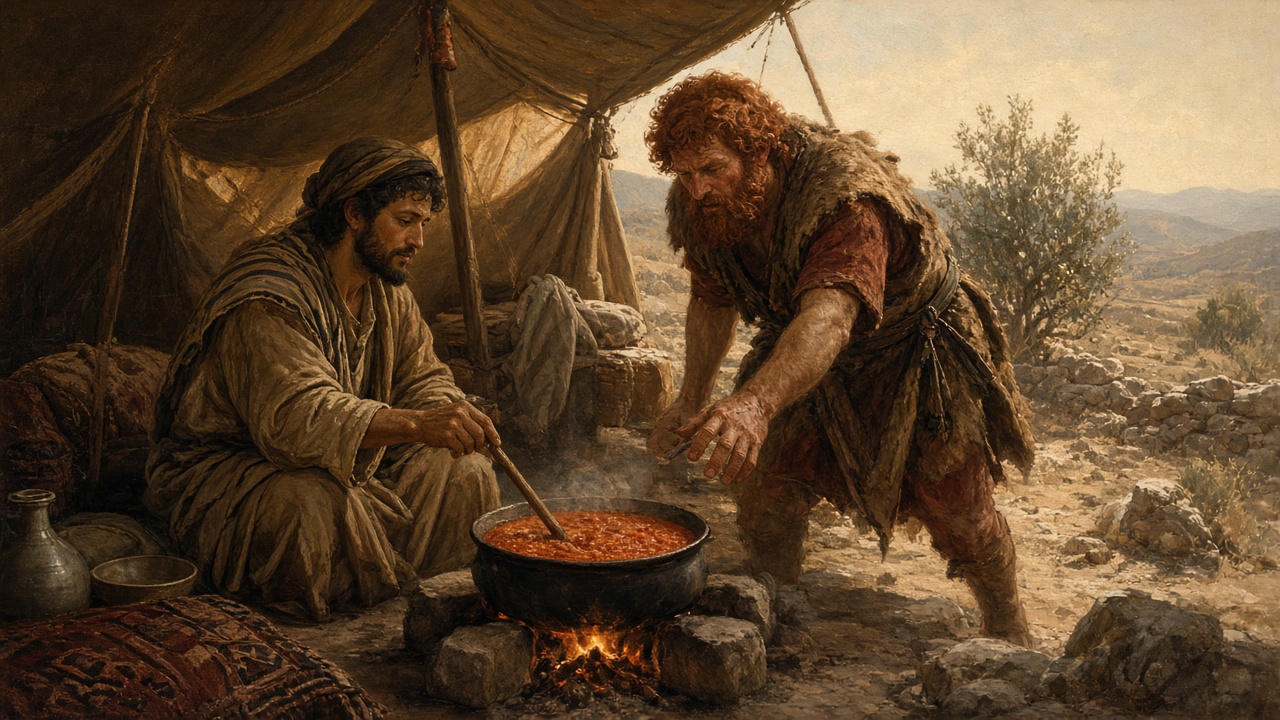
29Mu tɨbɨ Jekopɨ agaŋ ume mɨdɨ mɨdɨ hugɨlami. Lɨdaci Iso agaŋ hɨbɨ hɨdavɨla cɨhu uleŋ vemi. Ve humɨgaŋ saŋ hɨmavɨla Jekopɨ dɨ abami. Viaŋ humɨgaŋ saŋ hekɨlɨ hɨmadin uami. Iasaŋ ume mɨdɨ mɨsɨ agadɨ iguha uami. Iso dɨ ibi mu lamavɨmi ha Idom. Ume mɨdɨ mɨsɨ igu igu saŋ abami sadaŋ ibi hameŋ lamavɨmi. 31Lɨci Jekopɨ abami. Nama ninaŋ magɨlasiŋ agadɨ akuaba akuaba agɨladɨ iasaŋ igu igu saŋ abɨnaŋ uami. Ha viaŋ ume mɨdɨ mɨsɨ agadɨ hɨbɨŋ nasaŋ iguben uami. 32Lɨci Iso abami. Alia uami. Viaŋ sɨmɨŋ saŋ amɨŋ ci hɨmɨben aba lin uami. Ninaŋ magɨlasiŋ agadɨ akuaba akuaba agɨlaŋ iadɨ ma ahɨliahuavɨbali uami. 33Lɨci Jekopɨ abami. Ninaŋ magɨlasiŋ agadɨ akuaba akuaba agɨladɨ iasaŋ igu igu saŋ abavɨla uami. Ha nama hɨvɨ hekɨlɨ aba abɨha uami. Lɨci Iso abami. Hɨvɨ hekɨlɨ uami. Hɨvɨ hekɨlɨ uavɨla ninaŋ magɨlasiŋ agadɨ akuaba akuaba agɨladɨ Jekopɨ saŋ igumi. 34Lɨci Jekopɨ agaŋ Iso saŋ maci daŋ ume mɨsɨ daŋ iguci nami. Navɨla iaha vala umi. Iso agaŋ ninaŋ magɨlasiŋ agadɨ akuaba akuaba agɨlasaŋ hɨji ma igahɨlami. Jekopɨ agaŋ Iso saŋ maci daŋ ume mɨsɨ daŋ iguci nami.|src="C-019.jpg" size="col" copy="NTM" ref="25.34"
Did you know?
Abraham’s heirs and the twin brothers
- Keturah, whose name Easton's Bible Dictionary (1897) explains as “incense,” is introduced here as another wife of Abraham. That dictionary says he probably married her after Sarah’s death, though her nationality is unknown, and notes that 1 Chronicles calls her a concubine. She bore him six sons, including Jokshan and Midian, the father of the Midianites; while Abraham was still alive he gave gifts to the sons of his concubines and sent them away from Isaac to the land of the east.Sources: Keturah · Midian · the Bible text itself
- Isaac and Ishmael together buried Abraham in the cave of Machpelah near Mamre, in the field Abraham had bought from Ephron the Hittite, where Sarah already lay. Easton's Bible Dictionary (1897) explains Machpelah as “portion” or “double cave,” set on a hillside east of Hebron and facing Mamre, a place called the oaks—or, in a margin, the terebinths—of Mamre.Sources: Machpelah · Mamre · the Bible text itself
- Esau, Rebekah’s firstborn twin, was born red and covered with hair like a fur coat. Easton's Bible Dictionary (1897) links the further name Edom, “red,” to the red lentil stew for which he sold his birthright, and explains Jacob as “one who follows on another’s heels” or “supplanter,” matching the report that Jacob was born grasping Esau’s heel. Esau grew up as a skillful hunter and a man of the field, while Jacob was a quiet man who stayed at home.Sources: Esau (Edom) · Jacob (Israel) · the Bible text itself
Notes written with AI assistance from open sources (Theographic Bible Metadata, CC BY-SA 4.0; Easton’s Bible Dictionary, public domain) and reviewed before publishing.
Places in this chapter
- East · Today: region around Amman · 31.955, 35.934 · verse 6
- Machpelah · Today: Cave of the Patriarchs · 31.525, 35.111 · verse 9
- Negeb · 31.245, 34.841 · verse 11
- Assyria · 36.359, 43.153 · verse 18
- Egypt · 30.129, 31.308 · verse 18
Only places identified with high confidence are shown (90% or more according to the scholarly sources compiled by OpenBible). Period map: DARE (Digital Atlas of the Roman Empire), CC BY 4.0; modern map: © OpenStreetMap contributors; places: OpenBible.info (CC BY 4.0).
Credits and license for this translation
Asɨ dɨ manasɨŋ
Genesis, Exodus and the New Testament in the Apal language of Papua New Guinea
Buk Baibel long tokples Apali long Niugini
copyright © 2022 Pioneer Bible Translators
Language: Apalɨ (Apal)
Contributor: Pioneer Bible Translators
This translation is made available to you under the terms of the
Creative Commons Attribution Share-Alike license 4.0.
You have permission to share and redistribute this Bible translation in any format and to make reasonable revisions and adaptations of this translation, provided that:
You include the above copyright and source information.
If you make any changes to the text, you must indicate that you did so in a way that makes it clear that the original licensor is not necessarily endorsing your changes.
If you redistribute this text, you must distribute your contributions under the same license as the original.
Pictures included with Scriptures and other documents on this site are licensed just for use with those Scriptures and documents.
For other uses, please contact the respective copyright owners.
Note that in addition to the rules above, revising and adapting God's Word involves a great responsibility to be true to God's Word. See Revelation 22:18-19.
2023-04-06
Source: http://ebible.org/ena/ · eBible.org