Genesis 2
Asɨ dɨ manasɨŋ · Tap a verse to see its cross-references.
1Fɨli uaiaŋ susu akuaba akuaba sɨkasɨkan agɨladɨ lama fɨhalami. La hɨfɨlɨ lavɨla hɨnia mɨŋalahɨci mɨhiŋ human limu fɨhala human limu ahica cɨjɨŋ agaŋ iahami. Iahɨci mɨhiŋ agadɨ hɨvɨ alusami. 3Sibɨla fɨhalami agasaŋ mɨhiŋ agadɨ huaci lamavɨla abami. Ha iadɨ alusɨsɨ mɨhiŋ hekɨlɨ uami.
Asɨ Iaue agaŋ Iden hualabɨla agadɨ lamami.
4Asɨ Iaue fɨli uaiaŋ susu akuaba akuaba lamami agadɨ ciaŋ nɨbu nameŋ. Asɨ Iaue agaŋ fɨli uaiaŋ susu akuaba akuaba agɨladɨ lamami agadɨ ala avɨli ma abɨci mɨgami. Lɨci kɨlɨ lɨbulɨbu sɨmɨŋ isabɨlaŋ akuaba akuaba agɨlaŋ ma iahavɨmi. Hulaŋ iamɨgali hualɨ sibɨla vivi hɨsɨŋ agɨlaŋ avi apalɨ hɨnimi. 6Avɨli ma mɨgadami. Hamu cɨbɨ pam mɨgadami. Mɨgɨdaci fɨli agaŋ simɨsimɨ laci hɨniadami. 7Lɨci Asɨ Iaue agaŋ fɨli caŋ agadɨ viavɨla hulaŋ lamami. Lamavɨla hɨhi hɨnibali aba mugaŋ sɨmɨ hɨvɨ huŋe mahɨlɨci ivouci hulaŋ agaŋ hɨhi iahami.
8Lɨci Asɨ Iaue agaŋ Iden fɨli tɨbɨ heŋ hualabɨla lamami. Uaiaŋ iahaiaha kɨlikɨli heŋ lamami. Lamavɨla hulaŋ agadɨ via uavɨla hualabɨla heŋ lamami. 9Lavɨla abɨci kɨlɨ mu hɨdɨlɨ mu hɨdɨlɨ agɨlaŋ iahavɨmi. Iahavɨla hajɨŋ huaci huaci agɨladɨ lamavɨmi. Amɨŋ huaci huaci nana hɨsɨŋ agɨladɨ lamavɨmi. Kɨlɨ ahica agɨlaŋ avi hualabɨla alɨhaŋ heŋ iahavɨmi. Mu hana navɨla huaci hameŋ laci hameŋ laci hɨnihɨni hɨsɨŋ. Mu hana navɨla hɨji hutesɨ vivi hɨsɨŋ. Hɨji hutesɨ viavɨla nameŋ aba aba hɨsɨŋ. Ha huaci aba aba aba hɨsɨŋ. Ha sɨbɨlɨ aba aba aba hɨsɨŋ.
10Avɨli makaŋ hekɨlɨ agaŋ Iden fɨli tɨbɨ heŋ hɨniavɨla hualabɨla agadɨ hɨnilahavɨla iloumi. Hualabɨla agasaŋ avɨli igudaci fɨli agaŋ simɨsimɨ hɨniadami. Ilouavɨla makaŋ sɨhɨlami. Sɨhɨlavɨla limu ahica limu ahica ilouavɨmi. 11Avɨli makaŋ mu Pison. Pison avɨli makaŋ agaŋ Havila fɨli tɨbɨ agadɨ hɨnilahavɨla iloumi. Lɨba golɨ agɨlaŋ Havila fɨli tɨbɨ heŋ hɨniavɨhadami. 12Nulɨdɨ lɨba golɨ agɨlaŋ huaci sɨbaŋ. Kɨlɨ ikupi hɨsi me iahavɨhadami agɨlaŋ nɨbɨlaŋ Havila fɨli tɨbɨ heŋ hɨniavɨhadami. Lɨba konilian agɨlaŋ avi Havila fɨli tɨbɨ heŋ hɨniavɨhadami. 13Avɨli makaŋ mu Gihon. Gihon avɨli makaŋ agaŋ Kusɨ fɨli tɨbɨ agadɨ hɨnilahavɨla iloumi. 14Avɨli makaŋ mu Taigɨlisɨ. Taigɨlisɨ avɨli makaŋ agaŋ Asilia fɨli tɨbɨ caba caba heŋ iloumi. Uaiaŋ iahaiaha kɨlikɨli heŋ iloumi. Avɨli makaŋ mu Iufɨletisɨ.
15Asɨ Iaue agaŋ Iden hualabɨla hɨsɨŋ akuaba akuaba agɨladɨ migɨla migɨla sibɨla vivi saŋ hulaŋ agadɨ via uavɨla hualabɨla heŋ lamami. 16Lamavɨla abami. Hualabɨla hɨsɨŋ kɨlɨ nagɨladɨ amɨŋ agɨladɨ sɨkasɨkan huaci nɨbanaŋ uami. 17Agadɨ ala kɨlɨ pabiŋ hɨji hutesɨ vivi hɨsɨŋ agadɨ amɨŋ agɨladɨ nɨmɨnaŋ uami. Nama nudɨ navɨla ha hɨmɨbanaŋ uami.
18Lavɨla cɨhu abami. Hulaŋ nagaŋ hɨtɨŋ hɨnici huaci ma lɨbali uami. Nudɨ hala saŋ lamɨlɨŋ ahica hɨniavɨci ha huaci lɨbali uami. 19Lavɨla sɨhɨm sabaŋ lahu havaŋ akuaba akuaba fɨli nagadɨ hɨvɨ lamami agɨladɨ likɨlavɨla hulaŋ agadɨ pɨŋ via uavɨla abami. Sɨhɨm sabaŋ lahu havaŋ akuaba akuaba nagɨladɨ ibi hɨtɨŋ hɨtɨŋ lamɨha uami. Lɨci sɨhɨm sabaŋ lahu havaŋ akuaba akuaba agɨladɨ ibi hɨtɨŋ hɨtɨŋ lamami. Lama fɨhalɨci hameŋ laci ala hɨniavɨhadami. Hɨniavɨdaci hulaŋ agaŋ igɨci hala nɨbu hula hɨnihɨni agaŋ apalɨ hɨnimi.
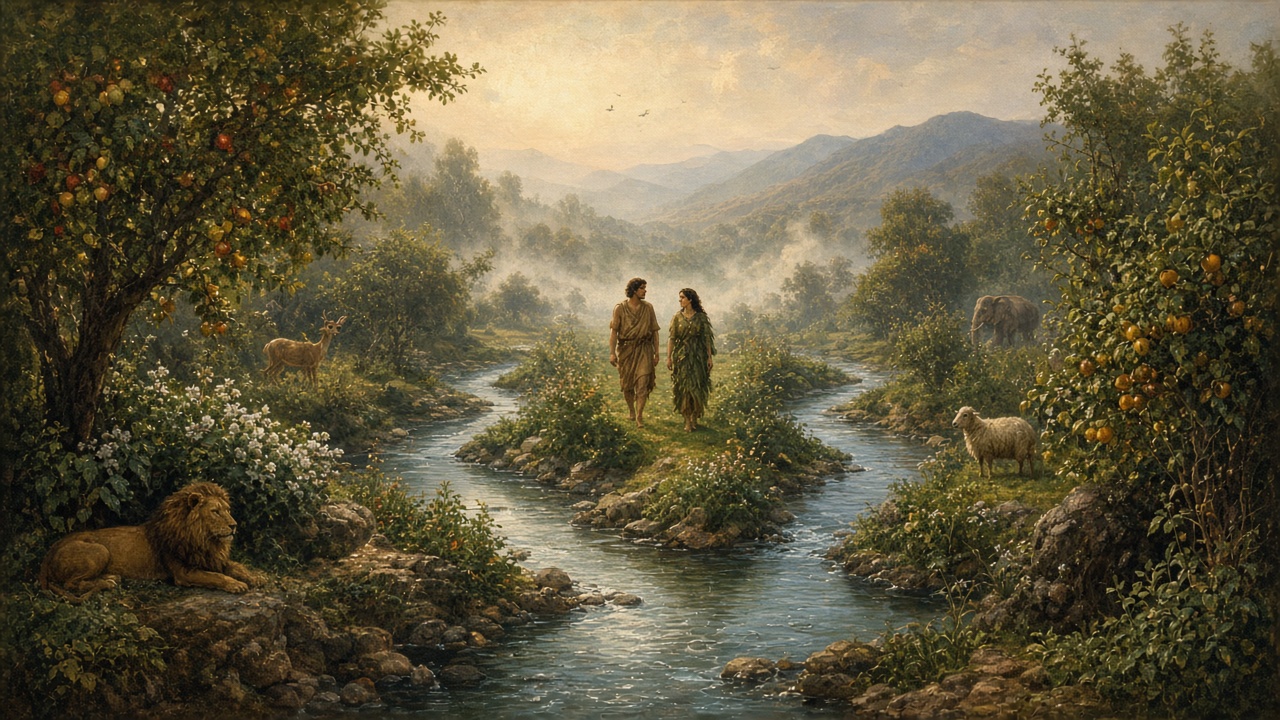
21Lɨci Asɨ Iaue agaŋ abɨci hulaŋ agaŋ labi hɨmavɨla valɨ me hɨnimi. Valɨ me hɨnidaci nudɨ madɨŋ henaŋ agadɨ mɨŋahubɨla vimi. Viavɨla cɨhu nudɨ madɨŋ henaŋ uvɨ agadɨ lamasɨjimi. 22Lamasɨjiavɨla madɨŋ henaŋ mɨŋahubɨla vimi agadɨ hɨvɨ ala iamɨgali lamami. Lama viavɨla hulaŋ agadɨ pɨŋ via umi. 23Via uci igavɨla abami. E e uami. Nɨbu iamɨgali uami. Viaŋ hulaŋ uami. Nɨbu iadɨ hala sɨbaŋ uami. Nudɨ henaŋ han iadɨ agadɨ viavɨla lami uami. Nudɨ hadipɨlɨ han iadɨ agadɨ viavɨla lami uami. 24Hameŋ sadaŋ hulaŋ agɨlaŋ nulɨdɨ numɨgaiagagalinɨlu agɨladɨ valavala iamɨgali sabisabi nulɨdɨ abinadinɨlu agɨlaŋ hula hadipɨlɨ pabiŋ me hɨniavɨlalɨ. 25Hulaŋ iamɨgali agɨlaŋ muhɨlɨ havɨlɨ apalɨ hɨniavɨhadami agadɨ ala ma sɨhumahɨlavɨhadami. Adam tamaŋ Iden hualabɨla hɨniavɨmi.|src="C-004.jpg" size="col" ref="2.15-25"
Did you know?
Adam, Eden, and the Four Rivers
- Adam, meaning “red,” is a Babylonian word and the ordinary name for a human being, with the same sense in Hebrew and in Assyrian. It was given to the first man. He was formed from the dust of the ground—hence the name—and God breathed into his nostrils the breath of life.Sources: Adam · the Bible text itself
- A river flowed out of Eden and divided into four headwaters: the Pishon, the Gihon, the Hiddekel, and the Euphrates. Some identify the Pishon with the Phasis or the Halys, others with the Indus, the Ganges, or still other rivers; the Gihon has been identified with the Nile, and others regard it as the Oxus, the Araxes, or the Ganges. The Hiddekel is the Tigris, called by the Accadians the river of Idikla; Gesenius understood the name as “the rapid Tigris.”Sources: the Bible text itself · Pison · Gihon · Hiddekel
- The site of Eden, the garden in which the first parents lived, has been discussed more than almost any other geographical question. It has been placed in Armenia, in the region west of the Caspian Sea, in Media, near Damascus, in Palestine, in southern Arabia, and in Babylonia. Easton's Bible Dictionary (1897) seeks it along the Tigris and the Euphrates of western Asia, in the land of Shinar, or Babylonia.Sources: Eden
Notes written with AI assistance from open sources (Theographic Bible Metadata, CC BY-SA 4.0; Easton’s Bible Dictionary, public domain) and reviewed before publishing.
Places in this chapter
- Assyria · 36.359, 43.153 · verse 14
- Euphrates · Today: Euphrates River · 31.004, 47.442 · verse 14
- Tigris · Today: Tigris River · 31.004, 47.442 · verse 14
Only places identified with high confidence are shown (90% or more according to the scholarly sources compiled by OpenBible). Period map: DARE (Digital Atlas of the Roman Empire), CC BY 4.0; modern map: © OpenStreetMap contributors; places: OpenBible.info (CC BY 4.0).
Credits and license for this translation
Asɨ dɨ manasɨŋ
Genesis, Exodus and the New Testament in the Apal language of Papua New Guinea
Buk Baibel long tokples Apali long Niugini
copyright © 2022 Pioneer Bible Translators
Language: Apalɨ (Apal)
Contributor: Pioneer Bible Translators
This translation is made available to you under the terms of the
Creative Commons Attribution Share-Alike license 4.0.
You have permission to share and redistribute this Bible translation in any format and to make reasonable revisions and adaptations of this translation, provided that:
You include the above copyright and source information.
If you make any changes to the text, you must indicate that you did so in a way that makes it clear that the original licensor is not necessarily endorsing your changes.
If you redistribute this text, you must distribute your contributions under the same license as the original.
Pictures included with Scriptures and other documents on this site are licensed just for use with those Scriptures and documents.
For other uses, please contact the respective copyright owners.
Note that in addition to the rules above, revising and adapting God's Word involves a great responsibility to be true to God's Word. See Revelation 22:18-19.
2023-04-06
Source: http://ebible.org/ena/ · eBible.org