Genesis 17
Asɨ dɨ manasɨŋ · Tap a verse to see its cross-references.
Asɨ agaŋ Abɨlam dɨ ibi mu lamami.
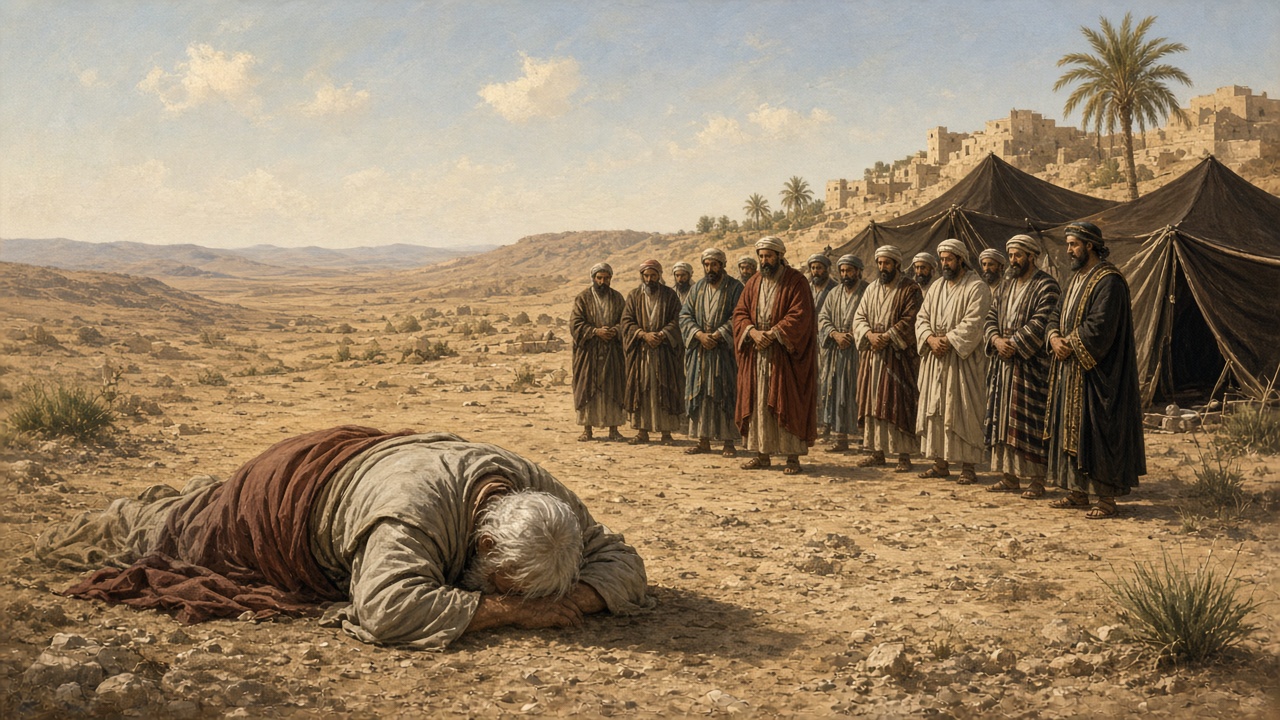
1Abɨlam dɨ hualɨ lugɨlavɨci ua 99 iahɨci Asɨ Iaue agaŋ nudɨ pɨŋ cɨhu iahavɨla abami. Viaŋ Asɨ vɨdɨvɨdɨŋ hekɨlɨ daŋ uami. Nama iadɨ hɨji agadɨ pam lubiahɨlavɨla hugɨ apalɨ hɨniha uami. 2Viaŋ ciaŋ mɨguavɨla nadɨ iamɨlɨhalina agɨladɨ lɨlɨŋ iaha habɨla akape sɨbaŋ hɨniavɨbali uami. 3Lɨci Abɨlam agaŋ Asɨ dɨ ibi mɨŋaiahɨben aba fɨli hɨvɨ sɨkasɨkan mɨgavɨla ipalɨci mɨguci ani valɨ hɨnimi. Lɨci Asɨ agaŋ nudɨ abami. 4Ci igɨnaŋ uami. Viaŋ ciaŋ mɨguavɨla nadɨ abɨben uami. Nadɨ iamɨlɨhalina agɨlaŋ iaha habɨla hɨdɨlɨ akape hɨniavɨbali uami. 5Hameŋ sadaŋ malɨciŋ nadɨ ibi Abɨlam hɨma uami. Nadɨ ibi Ebɨlam uami. Viaŋ lɨlɨŋ nama hulaŋ iamɨgali iaha habɨla hɨdɨlɨ akape hɨniavɨbali agɨladɨ iamɨlɨnɨlu hɨnibanaŋ uami. 6Viaŋ nukeŋ ala lɨlɨŋ iamɨlɨhalina agɨlaŋ iaha habɨlavɨla latɨha hɨdɨlɨ akape hɨniavɨbali uami. Hɨniavɨdaci nulɨdɨ hulaŋ limu hɨhɨle agɨlaŋ manɨgali hɨnihɨni fɨli tɨbɨ mu mu agɨladɨ migɨlavɨbali uami. 7Viaŋ ciaŋ mɨguavɨla nadɨdaŋ nadɨ iamɨlɨhalina agɨladɨdaŋ abɨben uami. Ciaŋ mɨguavɨla abɨben agaŋ mufɨli mufɨli hameŋ laci hɨnibali uami. Ciaŋ mɨguavɨla abɨben agaŋ nɨbu nameŋ uami. Viaŋ nadɨ Asɨ hɨniben uami. Nadɨ iamɨlɨhalina agɨladɨ Asɨ avi hɨniben uami. 8Nama Kenan fɨli tɨbɨ neŋ ihɨlɨŋ hɨnidanaŋ uami. Agadɨ ala fɨli tɨbɨ nagadɨ nasadaŋ nadɨ iamɨlɨhalina mufɨli mufɨli iahavɨbali agɨlasadaŋ iguben uami. Igulɨŋ fɨli tɨbɨ nagaŋ mufɨli mufɨli naludɨ fɨli tɨbɨ sɨbaŋ hɨnibali uami. Lɨdaci viaŋ nadɨ iamɨlɨhalina agɨladɨ Asɨ hɨniben uami.
Asɨ agaŋ hadi sɨbɨlɨ ihalahalaha saŋ abami.
9La Asɨ agaŋ Ebɨlam dɨ abami. Viaŋ ciaŋ mɨguavɨla nadɨdaŋ nadɨ iamɨlɨhalina ani ani agɨladɨdaŋ abɨben uami. Ciaŋ mɨguavɨla abɨben agasaŋ igahɨlavɨla hadi sɨbɨlɨ ihalahɨhalaŋ uami. Lɨlaŋ mufɨli mufɨli nadɨ iamɨlɨhalina agɨlaŋ avi viaŋ ciaŋ mɨguavɨla abɨben agasaŋ igahɨlahɨla hadi sɨbɨlɨ ihalahavɨbali uami. Hulaŋ sɨkasɨkan namɨlaŋ hula hɨniavɨlalɨ agɨladɨ hadi sɨbɨlɨ ihalahɨhalaŋ uami. 11Ninaŋ huhɨlavɨdaci uaiaŋ human limu fɨhala human limu pabiŋ cɨjɨŋ uci nulɨdɨ hadi sɨbɨlɨ ihalahɨhalaŋ uami. Naludɨ sibɨla hɨsɨŋ iamɨgali agɨlaŋ naludɨ ulaŋ hɨvɨ hɨnihɨni ninaŋ huhɨlavɨdaci uaiaŋ human limu fɨhala human limu pabiŋ cɨjɨŋ uci nulɨdɨ hadi sɨbɨlɨ ihalahɨhalaŋ uami. Hɨdɨlɨ mu mu agɨladɨ hulaŋ hɨhɨle anɨm hɨlɨcɨ hɨvɨ lavɨdalaŋ naludɨ sibɨla hɨsɨŋ hulaŋ hɨniavɨlalɨ agɨladɨ avi hadi sɨbɨlɨ ihalahɨhalaŋ uami. Hulaŋ sɨkasɨkan agɨladɨ hadi sɨbɨlɨ ihalahɨhalaŋ uami. Hadi sɨbɨlɨ ihalahavɨla viaŋ ciaŋ mɨguavɨla naludɨ abɨben agasaŋ igahɨlɨbalaŋ uami. Hameŋ laci hameŋ laci hadi sɨbɨlɨ ihalahalaha viovio ciaŋ mɨguavɨla abɨben agasaŋ igahɨlahɨla hɨnibalaŋ uami. 14Hulaŋ mu nudɨ hadi sɨbɨlɨ ihalahalaha saŋ abavɨci valavɨla ha nɨbu viaŋ ciaŋ mɨguavɨla abɨben agadɨ lulɨbali uami. Hulaŋ hameŋ agaŋ nudɨ hɨdɨlɨ pam agɨlaŋ hula hɨnimɨdɨ uami. Nudɨ lahuavɨci um uami.
15La Asɨ agaŋ Ebɨlam dɨ cɨhu abami. Nama abina dɨ ibi Selai aba abɨmɨnaŋ uami. Nudɨ ibi Sela aba abɨha uami. 16Viaŋ nudɨ huaci lamɨlɨŋ nɨbu nadɨ ninaŋ huhɨlɨbali uami. Lɨci nudɨ iamɨlɨhalinu agɨlaŋ iaha habɨla hɨdɨlɨ akape hɨniavɨbali uami. Lɨhavɨci nulɨdɨ hulaŋ limu hɨhɨle agɨlaŋ manɨgali hɨnihɨni fɨli tɨbɨ mu mu agɨladɨ migɨlavɨbali uami. 17Lɨci Ebɨlam agaŋ Asɨ dɨ ibi mɨŋaiahɨben aba fɨli hɨvɨ sɨkasɨkan mɨgavɨla ipalɨci mɨguci ani valɨ hɨnihɨni hɨji hɨvɨ nameŋ abami. Hulaŋ mu numɨgaŋ nudɨ huhɨlɨci iaha hɨnidaci hualɨ 100 ci ualɨ agaŋ nɨbu huaci ninaŋ havɨvi uami. Ha hɨma uami. Sela avi hameŋ laci ala uami. Numɨgaŋ nudɨ huhɨlɨci iaha hɨnidaci hualɨ 90 ci ualɨ uami. Nɨbu huaci ninaŋ huhɨlɨvi uami. Han avi hɨma uami. Hɨji hameŋ igahɨlavɨla humɨgaŋ hɨvɨ lɨnimi. 18Lavɨla Asɨ dɨ abami. Nama Isɨmaelɨ dɨ huaci valɨnaŋ iadɨ uvɨsɨjiŋ viavɨla akuaba akuaba vibali uami. 19Lɨci Asɨ abami. Eke uami. Nadɨ iamɨgali Sela ninaŋ huhɨlɨci nudɨ ibi Aisakɨ aba abɨha uami. Lɨnaŋ viaŋ ciaŋ mɨguavɨla nudɨdaŋ nudɨ iamɨlɨhalinu agɨladɨdaŋ abɨben uami. Ciaŋ mɨguavɨla abɨben agaŋ mufɨli mufɨli hameŋ laci hɨnibali uami.
20Nama Isɨmaelɨ dɨ huaci lamalama saŋ iadɨ abɨnaŋ sadaŋ nudɨ huaci lamɨben uami. Viaŋ nudɨ huaci lamɨlɨŋ ninanadi havɨci ninanadi akape iaha habɨla hɨdɨlɨ hekɨlɨ hɨniavɨbali uami. La nudɨ ninaŋ human limu limu fɨhala hɨcɨ limu ahica cɨjɨŋ agɨlaŋ iahavɨla manɨgali hɨniavɨbali uami. Viaŋ nukeŋ nudɨ hɨdɨlɨ agadɨ lɨlɨŋ iaha hɨdɨlɨ hekɨlɨ hɨniavɨbali uami. 21Agadɨ ala hualɨ pabiŋ uci hualɨ mu agadɨ avaŋ nameŋ hɨvɨ ala Sela agaŋ Aisakɨ dɨ huhɨlɨbali uami. Huhɨlɨci viaŋ ciaŋ mɨguavɨla nudɨ abɨben uami. 22Asɨ agaŋ ciaŋ abɨci ci lɨci Ebɨlam dɨ vala umi.
23Lɨci uaiaŋ heŋ laci ala Ebɨlam agaŋ Asɨ dɨ ciaŋ agadɨ lubiahɨlavɨla ninanu Isɨmaelɨ dɨ hadi sɨbɨlɨ ihalahami. Hadɨhu Isɨmaelɨ dɨ hualɨ lugɨlavɨci ua human limu limu fɨhala hɨcɨ limu ahica pam cɨjɨŋ iahami. La hulaŋ nɨbu hula hɨniavɨhadami agɨladɨ hadi sɨbɨlɨ ihalahami. Nudɨ sibɨla hɨsɨŋ iamɨgali agɨlaŋ ninaŋ huhɨlavɨdaci sibɨla hɨsɨŋ hulaŋ hɨniavɨhadami agɨladɨ hadi sɨbɨlɨ ihalahami. Hɨdɨlɨ mu agɨladɨ anɨm hɨlɨcɨ hɨvɨ lavɨdaci nudɨ sibɨla hɨsɨŋ hulaŋ hɨniavɨhadami agɨladɨ hadi sɨbɨlɨ ihalahami. Lavɨla nudɨ nukeŋ hadi sɨbɨlɨ agadɨ avi ihalahami. Hadɨhu nudɨ hualɨ lugɨlavɨci ua 99 iahami.
Did you know?
Covenant, New Names, and Circumcision
- At ninety-nine, Abram received the name Abraham. Easton's Bible Dictionary (1897) explains Abraham as “Father of a multitude,” matching the promise that he would be the father of many nations. Sarai was renamed Sarah, “Princess,” when it was announced that she would be the mother of the promised child.Sources: the Bible text itself · Abraham · Sarah
- That same day Abraham and Ishmael were circumcised, at ninety-nine and thirteen, along with every male born in the household or bought from a foreigner. Ishmael, Abraham’s son by Hagar, had been born at Mamre when Abraham was eighty-six. The sign was required for every male at eight days old, and Isaac, promised to Sarah for the next year, was later circumcised at that age.Sources: the Bible text itself · Ishmael (Son of Hagar) · Isaac
- In this chapter the land of Canaan, where Abraham was living, is promised to him and his descendants as an eternal possession. The country took its name from Canaan, a son of Ham. Easton's Bible Dictionary (1897) says Phoenician use first limited the name to the coastal plain where Sidon stood, while in the time of Moses and Joshua it meant the whole land west of the Jordan and the Dead Sea; the name signifies “the lowlands,” unlike Gilead, the hill country east of the Jordan.Sources: the Bible text itself · Canaan · Canaan
Notes written with AI assistance from open sources (Theographic Bible Metadata, CC BY-SA 4.0; Easton’s Bible Dictionary, public domain) and reviewed before publishing.
Places in this chapter
- Canaan · 32.767, 35.333 · verse 8
Only places identified with high confidence are shown (90% or more according to the scholarly sources compiled by OpenBible). Period map: DARE (Digital Atlas of the Roman Empire), CC BY 4.0; modern map: © OpenStreetMap contributors; places: OpenBible.info (CC BY 4.0).
Credits and license for this translation
Asɨ dɨ manasɨŋ
Genesis, Exodus and the New Testament in the Apal language of Papua New Guinea
Buk Baibel long tokples Apali long Niugini
copyright © 2022 Pioneer Bible Translators
Language: Apalɨ (Apal)
Contributor: Pioneer Bible Translators
This translation is made available to you under the terms of the
Creative Commons Attribution Share-Alike license 4.0.
You have permission to share and redistribute this Bible translation in any format and to make reasonable revisions and adaptations of this translation, provided that:
You include the above copyright and source information.
If you make any changes to the text, you must indicate that you did so in a way that makes it clear that the original licensor is not necessarily endorsing your changes.
If you redistribute this text, you must distribute your contributions under the same license as the original.
Pictures included with Scriptures and other documents on this site are licensed just for use with those Scriptures and documents.
For other uses, please contact the respective copyright owners.
Note that in addition to the rules above, revising and adapting God's Word involves a great responsibility to be true to God's Word. See Revelation 22:18-19.
2023-04-06
Source: http://ebible.org/ena/ · eBible.org