1 Thessalonians 4
Asɨ dɨ manasɨŋ · Tap a verse to see its cross-references.
Hɨvɨkalɨ saŋ hɨdavɨmɨdɨ agasaŋ abami.
1Iadɨ isagali imahali me namɨlaŋ uami. Namɨlaŋ Asɨ dɨ hɨji lubiahɨlahɨla hɨdahɨda saŋ naludɨ ci lamalubihɨlu uami. Alaŋ akuaba akuaba huaci huaci agɨladɨ lɨdamɨli Asɨ agaŋ iga iga hɨjɨŋalɨlalɨ agɨlasaŋ avi naludɨ ci lamalubihɨlu uami. Lamalubimɨli namɨlaŋ akuaba akuaba huaci huaci hameŋ lɨlalaŋ agɨlaŋ vana naludɨ hɨvɨ iaha hekɨlɨ lɨhavɨm uami. Namɨlaŋ hameŋ lɨbalaŋ aba alaŋ aludɨ Hekɨlɨ Jisasɨ hula hɨji humɨgaŋ pam hɨnihɨni naludɨ iagaŋ lagulagu saŋ mavɨn ciaŋ ciaŋ abadalu uami.
2Alaŋ aludɨ Hekɨlɨ Jisasɨ dɨ ibi hɨvɨ nalusaŋ ciaŋ mu mu abahɨlu agɨladɨ ci igahɨlahalaŋ uami. 3Asɨ dɨ hɨji nɨbu nameŋ uami. Namɨlaŋ huaci sɨlɨvɨ laci hɨnihalaŋ uami. Hameŋ lavɨla hɨvɨkalɨ saŋ ma hɨdɨbalaŋ uami. 4Hɨji sɨbɨlɨ sɨbɨlɨ naludɨ hɨji humɨgaŋ hɨvɨ hɨnihɨni iahavɨlalɨ agɨladɨ ma lubiahɨlɨbalaŋ uami. Lɨdɨŋ namɨlaŋ akuaba akuaba Asɨ igɨdaci huaci sɨlɨvɨ laci hɨniavɨlalɨ agɨladɨ lɨdalaŋ hulaŋ iamɨgali agɨlaŋ iga iga naludɨ ibi mɨŋaiahavɨbali uami. 5Hɨdɨlɨ mu mu agɨlaŋ Asɨ dɨ ciaŋ ma igahɨlavɨlalɨ uami. Lɨdɨŋ hɨvɨkalɨ saŋ hɨdavɨdaci nulɨdɨ hɨji humɨgaŋ agɨlaŋ iahavɨdaci nɨbɨlaŋ lubiahɨlahɨla lɨhavɨlalɨ uami. Namɨlaŋ nɨbɨlaŋ lɨhavɨlalɨ hameŋ lɨmɨlaŋ uami. 6Namɨlaŋ naludɨ isagalinalu imahalinalu me agɨladɨ analɨ aba aba nulɨdɨ abinadinɨlu agɨlaŋ hula lusɨŋ sɨbɨlɨ hameŋ agɨladɨ lɨmɨlaŋ uami. Asɨ agaŋ hulaŋ hameŋ agɨlasaŋ vɨhɨlɨ hekɨlɨ igulalɨ agasaŋ vaka naludɨ vɨdɨvɨdɨŋ ci abɨdamɨli igahɨlahalaŋ uami. 7Asɨ agaŋ alaŋ akuaba akuaba lusɨŋ sɨbɨlɨ sɨbɨlɨ hugɨ daŋ hugɨ daŋ hameŋ agɨladɨ lɨlɨ saŋ ma abami uami. Alaŋ huaci sɨlɨvɨ laci hɨnihɨni saŋ abami uami. 8Lavɨla nudɨ Amɨŋ agadɨ abɨci ve namɨlaŋ hula hɨnilalɨ uami. Agadɨ ala hulaŋ limu hɨhɨle agɨlaŋ ciaŋ nagadɨ igahɨlahɨla abavɨlalɨ uami. Ha hulaŋ dɨ ciaŋ aba abavɨlalɨ uami. Hameŋ aba aba ciaŋ nagadɨ ma lubiahɨlavɨlalɨ uami. Hulaŋ hameŋ agɨlaŋ Asɨ dɨ huligalavɨlalɨ uami.
Akuaba akuaba huaci huaci agɨladɨ lɨhavɨdaci iaha vɨdɨvɨdɨŋ lɨhavɨm agasaŋ abami.
9Namɨlaŋ Asɨ dɨ hulaŋ iamɨgali limu hɨhɨle agɨlasaŋ mavɨn hekɨlɨ sɨbaŋ hɨnihɨni saŋ Asɨ agaŋ naludɨ ci lamalubilɨ uami. Hameŋ sadaŋ ciaŋ nagadɨ nalusaŋ cɨhu cɨhu ma lɨbɨben uami. 10Namɨlaŋ hulaŋ iamɨgali avɨli hɨvɨ mɨŋamɨgu mɨŋaiahavɨci Masedonia fɨli tɨbɨ hɨniavɨlalɨ agɨlasaŋ mavɨn hekɨlɨ hɨnilalaŋ uami. Agadɨ ala iadɨ isagali imahali me namɨlaŋ uami. Akuaba akuaba huaci huaci agɨladɨ hameŋ laci lɨdalaŋ iaha hekɨlɨ lɨlɨ saŋ naludɨ iagaŋ lagulalu uami. 11Namɨlaŋ simɨ hɨnihɨni saŋ vɨdɨvɨdɨŋ hɨnihɨni naludɨ nukeŋ sibɨla vihalaŋ uami. Naludɨ nukeŋ human hɨvɨ sibɨla vivi huaci naludɨ nukeŋ ahɨliahubalaŋ uami. Vaka naludɨ abahɨlu hameŋ laci ala lɨhalaŋ uami. 12Namɨlaŋ hameŋ lɨdɨŋ muhɨlɨ havɨlɨ anɨm hɨlɨcɨ akuaba akuaba agɨlasaŋ ma tɨbɨ mɨgɨbalaŋ uami. Lɨdalaŋ hulaŋ iamɨgali limu hɨhɨle avɨli hɨvɨ ma mɨŋamɨgu mɨŋaiahavalɨ agɨlaŋ nalusaŋ hɨjɨŋalavɨbali uami.
Aludɨ Hekɨlɨ agaŋ cɨhu vevɨla aludɨ likɨlɨbali agasaŋ abami.
13Iadɨ isagali imahali me namɨlaŋ uami. Hulaŋ iamɨgali limu hɨhɨle Asɨ saŋ hɨji vɨdɨvɨdɨŋ ma lamavɨlalɨ agɨlaŋ hulaŋ hɨmavɨlalɨ agɨlasaŋ mavɨn mɨŋamɨŋa ilɨhavɨlalɨ uami. Nɨbɨlaŋ cɨhu hɨhi iahavɨbali agasaŋ ma igahɨlavɨlalɨ uami. Hameŋ sadaŋ ilɨhavɨlalɨ uami. Namɨlaŋ nɨbɨlaŋ lɨhavɨlalɨ hameŋ lɨmɨlaŋ uami. Hulaŋ iamɨgali vaka hɨmavɨmi agɨlasaŋ sɨhɨvia igahɨlɨbalaŋ aba naludɨ abadalu uami. 14Alaŋ Jisasɨ hɨmavɨla cɨhu hɨhi iahami agasaŋ hɨji vɨdɨvɨdɨŋ lamɨlalu uami. Asɨ agaŋ avi Jisasɨ akuaba akuaba lɨmi agasaŋ igahɨlɨlalɨ uami. Hameŋ sadaŋ hulaŋ iamɨgali Jisasɨ saŋ hɨji vɨdɨvɨdɨŋ daŋ hɨnihɨni hɨmavɨmi agɨladɨ abɨci cɨhu hɨhi iahavɨbali uami. Iahavɨla Jisasɨ hula hudɨmɨda cɨhu vehavɨbali uami.
15Alaŋ aludɨ Hekɨlɨ Jisasɨ dɨ ciaŋ agadɨ nalusaŋ nameŋ sulahɨlu uami. Aludɨ Hekɨlɨ Jisasɨ cɨhu vebali heŋ hulaŋ iamɨgali hɨhi hɨnidalu alaŋ hulaŋ iamɨgali hɨmavɨmi agɨladɨ lɨvalavɨla alaŋ mɨse hali ma ubalu aba abahɨlu uami. 16Asɨ agaŋ ciaŋ vɨdɨvɨdɨŋ abɨdaci nudɨ ciaŋ hali hɨsɨŋ agɨladɨ manɨgali agaŋ abɨdaci Asɨ dɨ sai bihulɨ agaŋ agalɨbali aba abahɨlu uami. Lɨdaci aludɨ Hekɨlɨ agaŋ Asɨ dɨ haiabɨla agadɨ vala vebali aba abahɨlu uami. Vedaci hulaŋ iamɨgali Jisasɨ Kɨlaisɨ saŋ hɨji vɨdɨvɨdɨŋ daŋ hɨnihɨni hɨmavɨmi agɨlaŋ mɨse cɨhu hɨhi iahavɨbali aba abahɨlu uami. 17Hadɨhu heŋ hulaŋ iamɨgali hɨhi hɨnidalu alaŋ nɨbɨlaŋ hula avɨli susu hɨvɨ hudɨmɨda iahubalu aba abahɨlu uami. Iahuavɨla alaŋ ahuata iahua hɨvɨ heŋ aludɨ Hekɨlɨ hula mɨgudɨbɨbalu aba abahɨlu uami. La nɨbu hula huaci hameŋ laci hameŋ laci hɨnibalu aba abahɨlu uami. 18Hameŋ sadaŋ Asɨ dɨ hulaŋ iamɨgali limu hɨhɨle agɨladɨ iagaŋ lagulagu saŋ ciaŋ nagadɨ nulɨsaŋ sulɨhalaŋ uami.
Did you know?
Holiness, Love, and Hope for the Dead
- This chapter notes that its readers were already showing love to all the brothers throughout Macedonia. In New Testament times Macedonia was a Roman province lying north of Greece, governed by a propraetor with the title of proconsul. Paul was summoned by a vision of the "man of Macedonia" to preach the gospel there.Sources: the Bible text itself · Macedonia
- The chapter speaks of the dead as people who sleep or have fallen asleep, and it asks the readers not to grieve like the rest, who have no hope. Because Jesus died and rose again, it says, God will bring with Jesus those who have fallen asleep in him; the dead in Christ will rise first, and then those still alive will be caught up with them in the clouds to meet the Lord in the air.Sources: the Bible text itself
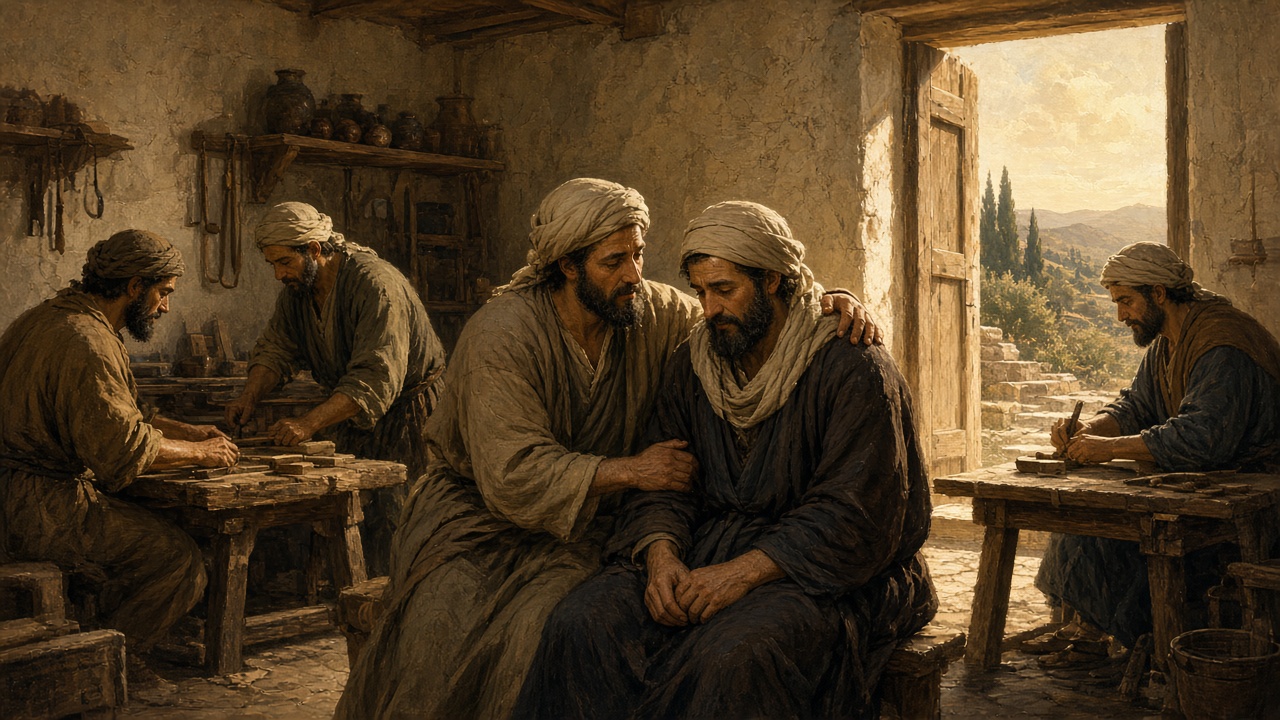
- The readers are urged to aspire to a quiet life, to attend to their own matters, and to work with their own hands, as they had already been instructed. The chapter presents this as the way to behave properly toward outsiders and to avoid being dependent on anyone.Sources: the Bible text itself
Notes written with AI assistance from open sources (Theographic Bible Metadata, CC BY-SA 4.0; Easton’s Bible Dictionary, public domain) and reviewed before publishing.
Places in this chapter
- Macedonia · 41.600, 22.540 · verse 10
Only places identified with high confidence are shown (90% or more according to the scholarly sources compiled by OpenBible). Period map: DARE (Digital Atlas of the Roman Empire), CC BY 4.0; modern map: © OpenStreetMap contributors; places: OpenBible.info (CC BY 4.0).
Credits and license for this translation
Asɨ dɨ manasɨŋ
Genesis, Exodus and the New Testament in the Apal language of Papua New Guinea
Buk Baibel long tokples Apali long Niugini
copyright © 2022 Pioneer Bible Translators
Language: Apalɨ (Apal)
Contributor: Pioneer Bible Translators
This translation is made available to you under the terms of the
Creative Commons Attribution Share-Alike license 4.0.
You have permission to share and redistribute this Bible translation in any format and to make reasonable revisions and adaptations of this translation, provided that:
You include the above copyright and source information.
If you make any changes to the text, you must indicate that you did so in a way that makes it clear that the original licensor is not necessarily endorsing your changes.
If you redistribute this text, you must distribute your contributions under the same license as the original.
Pictures included with Scriptures and other documents on this site are licensed just for use with those Scriptures and documents.
For other uses, please contact the respective copyright owners.
Note that in addition to the rules above, revising and adapting God's Word involves a great responsibility to be true to God's Word. See Revelation 22:18-19.
2023-04-06
Source: http://ebible.org/ena/ · eBible.org