Numbers 6
Ãcõrẽ Bed̶ea · Tap a verse to see its cross-references.
About this book
About Numbers
- Numbers is the fourth book of the Pentateuch. In Hebrew it is called be-midbar, “in the wilderness”; the Greek Septuagint called it Numbers, the name still usual, because it records a census in the wilderness of Sinai and a later census on the plain of Moab.Sources: Easton: Numbers, Book of
- Easton's Bible Dictionary (1897) presents Numbers, like the other books of the Pentateuch, as written by Moses. The history it contains runs from the second month of the second year after the Exodus to the beginning of the eleventh month of the fortieth year, about thirty-eight years and ten months.Sources: Easton: Numbers, Book of
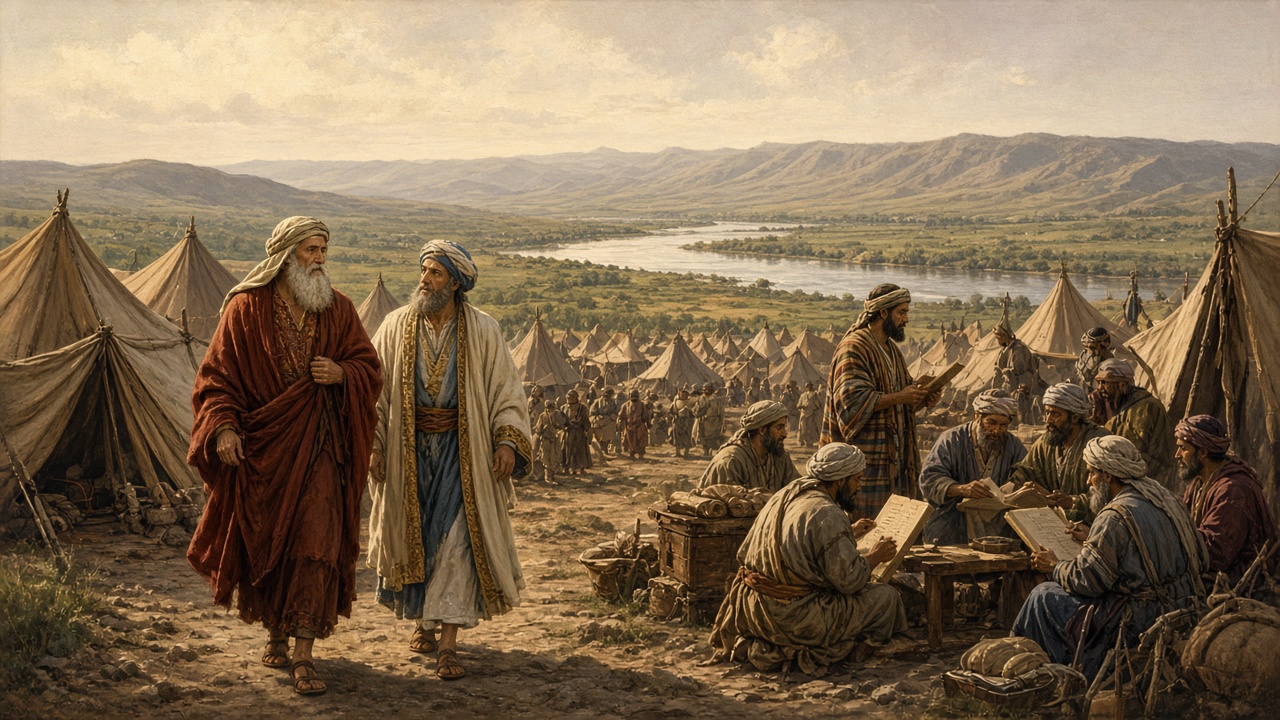
- The narrative begins at Sinai, the mountain district Israel reached in the third month after the Exodus and where they camped for about a year, and follows their route and encampments through the wilderness. It ends on the plains of Moab, east of the Jordan and the Dead Sea, opposite Jericho, their last camp before entering Canaan, the country west of the Jordan. Easton describes those years as a time of wandering in which that generation died in the wilderness, and notes that the people were fewer then than when they left Egypt.Sources: Easton: Numbers, Book of · Sinai · Moab · Canaan
- Easton divides the book into three parts: the census at Sinai and preparations to resume the march, including the Nazirite vow (1–10:10); the journey from Sinai to Moab, the sending of the spies and the report they brought back, and the people’s murmurings, eight times, at the hardships of the way (10:11–21:20); and the events on the plain of Moab before the crossing of the Jordan (21:21–36).Sources: Easton: Numbers, Book of
- While Israel was camped on the plains of Moab, Balak, son of Zippor and king of Moab, fearing them, sent to Pethor in Mesopotamia for Balaam, son of Beor, to curse them; the narrative says Balaam was unable to do so. Numbers 21:14 also cites “the book of the wars of the Lord,” a work that Easton says is uncertain, perhaps a lost writing of Israel or an Amorite record of the victories of their king Sihon.Sources: Easton: Numbers, Book of · Balaam · Balak
Notes written with AI assistance from open sources (Theographic Bible Metadata, CC BY-SA 4.0; Easton’s Bible Dictionary, public domain) and reviewed before publishing.
Nazareod̶ebema
1Ãcõrẽba Moisea jarasia:
2–Israelerãa nãwã jaradua: Umaquĩrãba wa wẽrãba ara idjida Ãcõrẽ itea b̶eyad̶a aibʌrʌ, maʌ̃ ewarid̶eba ʌ̃taa idjira nazareo ad̶ia. 3Maʌ̃ bẽrã idjia uva b̶a aseada, baridua b̶a aseada, uva b̶a oregueada, baridua b̶a asea oreguea od̶ada, uva b̶a cũã sid̶a docara b̶ʌa. Idjab̶a uvada, uva besead̶e paed̶a sid̶a cocara b̶ʌa. 4Idji nazareo b̶eyad̶a ad̶a ewarid̶eba ab̶a idji ẽdrʌi jarad̶a ewarid̶aa ne jũma uva bara b̶ʌda cocara b̶ʌa. Uva tada, dji e sid̶a cocara b̶ʌa.
5Maʌ̃ awara Ãcõrẽ itea b̶eyad̶a ad̶a ewarid̶eba ab̶a idji ẽdrʌi jarad̶a ewarid̶aa idji bud̶ara tʌcara b̶ʌa. Maʌ̃ ewarid̶e idjira Ãcõrẽ itea b̶ʌ bẽrã idji bud̶ara idu urea zebida b̶ʌa.
6Idjab̶a Ãcõrẽ itea b̶eyad̶a ad̶a ewarid̶eba ab̶a idji ẽdrʌi jarad̶a ewarid̶aa ẽberã jaid̶ad̶a caita wãcara b̶ʌa. 7Dji zezada, dji papada, dji djabada, dji djabawẽrã sid̶a jaid̶asira dji bẽwãrã caita wãcara b̶ʌa Ãcõrẽ quĩrãpita biẽ́ b̶e amaaba. Maʌ̃ ewarid̶e idji bud̶ara Ãcõrẽ itea urea erob̶ʌ bẽrã Ãcõrẽ quĩrãpita bia b̶eida b̶ʌa. 8Ãcõrẽ itea b̶eyad̶a ad̶a ewarid̶eba ab̶a idji ẽdrʌi jarad̶a ewarid̶aa idjira Ãcõrẽ itea bia b̶aida b̶ʌa.
9Cawaẽ́ne ẽberãda idji caita beuibʌrʌ, idji bud̶a Ãcõrẽ itea urea erob̶ʌra Ãcõrẽ quĩrãpita biẽ́ b̶eya. Maʌ̃ bẽrã idjira Ãcõrẽ quĩrãpita wayacusa bia b̶ei ewarid̶e borob̶ichia tʌida b̶ʌa. Mãwã oya sietebema ewarid̶e. 10Nurẽma puchirãda wa putujuda umé sacerdotea diad̶e wãida b̶ʌa Ãcõrẽ wua ded̶e ed̶a wãbadamaa. 11Maʌ̃be sacerdoteba ab̶a Ãcõrẽa bea diaida b̶ʌa maʌ̃ ẽberãba cadjirua od̶a carea. Dewarabemara Ãcõrẽa jũma babue diaida b̶ʌa. Mãwã Ãcõrẽba maʌ̃ cadjiruara quĩrãdoaya. Maʌ̃ ẽberãba cadjiruada osia ẽberã beud̶a caita b̶ad̶a bẽrã. Maʌ̃ ewarid̶eba ʌ̃taa idji bud̶ara Ãcõrẽ itea idu urea zebida b̶ʌa. 12Maʌ̃ ewarid̶e oveja dji umaquĩrã poa ab̶a b̶ʌda babue diabida b̶ʌa idji biẽ́ b̶ed̶a carea. Maʌ̃ ewarid̶eba ʌ̃taa idjira wayacusa Ãcõrẽ itea b̶eida b̶ʌa ara idjia naẽna ewari jara b̶ʌd̶a quĩrãca. Naẽna idjia Ãcõrẽ itea b̶ei jarad̶a ewari o b̶asid̶e Ãcõrẽ ume biẽ́ b̶ed̶a bẽrã, maʌ̃ ewarira juachaiẽ́ b̶ʌa Ãcõrẽ itea b̶ei jarad̶a ewari jũma daucha oi carea.
13Ãcõrẽ itea b̶eyad̶a ad̶a ewari jõnacarea nazareoba nãwã oida b̶ʌa: Ãcõrẽ wua ded̶e ed̶a wãbadamaa wãida b̶ʌa. 14Mama oveja dji umaquĩrãda poa ab̶a b̶ʌda sacerdotea diaida b̶ʌa Ãcõrẽa jũma babue diamãrẽã. Maʌ̃ ovejara jũma bia b̶aida b̶ʌa. Maʌ̃ awara idjia cadjirua od̶a carea oveja wẽrãda poa ab̶a b̶ʌda sacerdotea diaida b̶ʌa dji dragara Ãcõrẽa babue diamãrẽã. Maʌ̃ oveja sid̶a jũma bia b̶aida b̶ʌa. Idjab̶a Ãcõrẽ ume necai b̶ai carea oveja dji umaquĩrãda sacerdotea diaida b̶ʌa dji dragara babue diamãrẽã. 15Néud̶ebema sid̶a sacerdotea diaida b̶ʌa Ãcõrẽa diamãrẽã. Uva b̶a sid̶a diaida b̶ʌa Ãcõrẽa wea diamãrẽã. Maʌ̃ awara paʌ̃ ẽsãbari neẽ́ b̶ʌda jamara ab̶a diaida b̶ʌa. Maʌ̃ paʌ̃ra quĩrã cacua umé b̶aida b̶ʌa: ab̶a dji biara b̶ʌ harina nedraga bara od̶aa, dewarabemara nedragaba ʌ̃rʌ̃ pʌrʌd̶aa. 16Sacerdoteba dji oveja wẽrã dragada Ãcõrẽa babue diaya nazareoba cadjirua od̶a carea. Oveja dji umaquĩrãda Ãcõrẽa jũma babue diaya. 17Maʌ̃are Ãcõrẽ ume necai b̶ai careabema oveja dragada babue diaya. Maʌ̃ babue diabʌrʌd̶e jamarad̶e b̶ʌ paʌ̃ ẽsãbari neẽ́ b̶ʌda, néud̶ebema sid̶a Ãcõrẽa diaya. Idjab̶a uva b̶ada Ãcõrẽa wea diaya.
18Maʌ̃be Ãcõrẽ wua ded̶e ed̶a wãbada caita nazareora borob̶ichia tʌped̶a idji bud̶a Ãcõrẽ itea idu ureabi b̶ad̶ara babueida b̶ʌa Ãcõrẽ ume necai b̶ai careabema oveja djara dju panʌ tʌbʌd̶e. 19Borob̶ichia tʌd̶acarea sacerdoteba oveja jĩrũ nocoarebema djud̶ada nazareo jʌwad̶e b̶ʌya. Idjab̶a jamarad̶e b̶ʌ paʌ̃ ẽsãbari neẽ́ b̶ʌda umé edaped̶a maʌ̃ sid̶a idji jʌwad̶e b̶ʌya: ab̶a nedraga bara od̶ada idjab̶a ab̶a nedragaba ʌ̃rʌ̃ pʌrʌd̶ada. 20Maʌ̃be sacerdoteba jũma maʌ̃gʌra Ãcõrẽ quĩrãpita ʌ̃taa waida b̶ʌa diai carea. Mãwã jũma maʌ̃gʌra Ãcõrẽ itea b̶ed̶a bẽrã sacerdoteba edaida b̶ʌa. Maʌ̃ awara oveja jã nocoarebema djara Ãcõrẽ quĩrãpita ʌ̃taa wad̶ada, chĩde ʌ̃taa wad̶a sid̶a idji itea b̶eya. Jũma mãwã od̶acarea nazareo bad̶aba uva b̶ada doida b̶ʌa.
21Jũma maʌ̃gʌra Ãcõrẽ ley nazareod̶ebemaa. Ãcõrẽ itea b̶ad̶ada ẽdrʌbʌrʌd̶e maʌ̃ leyba jara b̶ʌ quĩrãca jũma diaida b̶ʌa. Maʌ̃ awara idjia Ãcõrẽ itea b̶eyad̶a ad̶a ewarid̶e aud̶u poya diayad̶a asibʌrʌ, ẽdrʌbʌrʌd̶e idjia jarad̶a quĩrãca jũma diaida b̶ʌa.
Sacerdoteba sãwã israelerã bia jara b̶ʌi
22Ãcõrẽba Moisea jarasia:
23–Aaroʌ̃a, idji warrarãa bid̶a jaradua nãwã israelerã bia jara b̶ʌd̶amãrẽã:
24Ãcõrẽba bãrãra carebaya idjab̶a wagaya.
25Ãcõrẽba bãrãra bia unu b̶aya idjab̶a idji biad̶eba bia erob̶aya.
26Ãcõrẽba bãrãra quĩrĩã b̶aya idjab̶a necai b̶ʌya.
27Aaroʌ̃ba, idji warrarã bid̶a mʌ̃ trʌ̃neba israelerãra mãwã bia jara b̶ʌd̶ibʌrʌ, mʌ̃a wãrãda carebaya.–
Did you know?
The Nazirite Vow and the Priestly Blessing
- The Nazirite vow was a voluntary period of special consecration to God available to both men and women. During this time, the person had to abstain completely from grape products and fermented drinks, leave their hair uncut, and avoid ritual defilement from any dead body, even that of an immediate family member.Sources: the Bible text itself
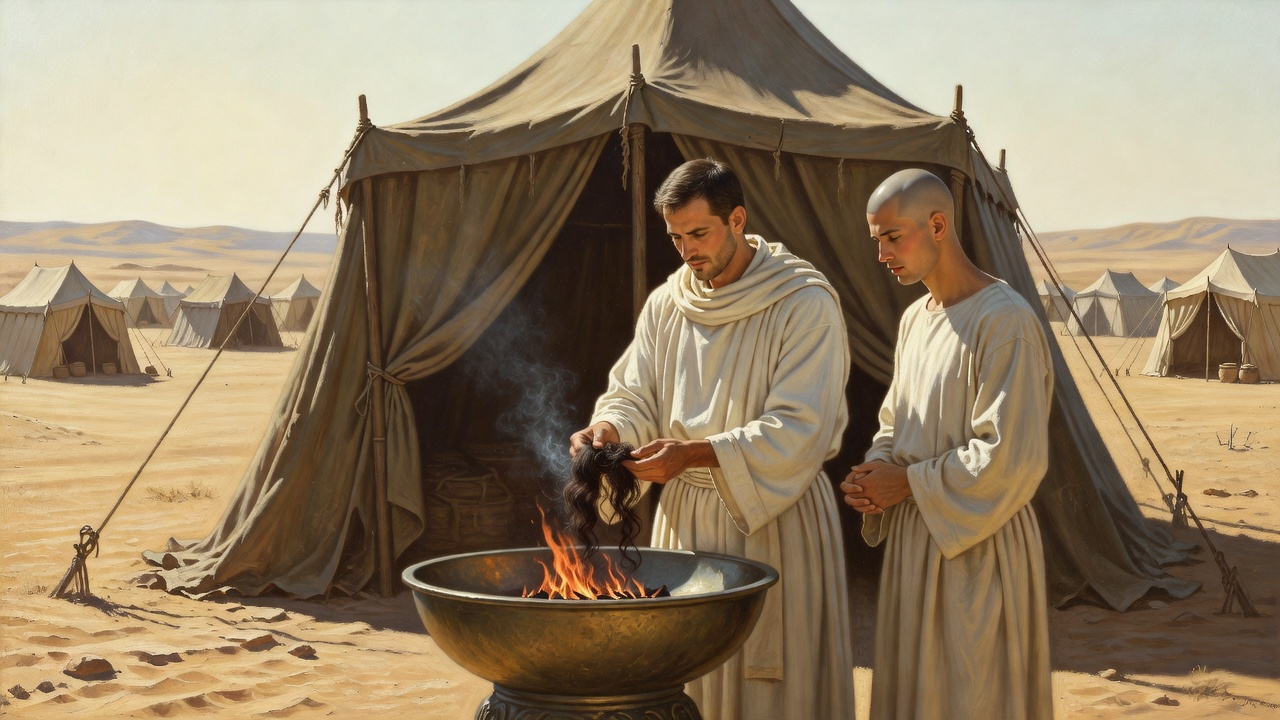
- When the period of separation ended, the Nazirite brought sacrifices to the entrance of the Tent of Meeting, shaved their head of hair, and burned the hair in the fire beneath the peace offering sacrifice. After the priest offered the required portions before God, the vow concluded and the person was allowed to drink wine again.Sources: the Bible text itself
- The chapter concludes with the priestly blessing that God instructed Moses to give to Aaron and his sons. By invoking God's protection, shining face, grace, and peace, the priests placed the divine name upon the people of Israel.Sources: the Bible text itself · Moses · Aaron
Notes written with AI assistance from open sources (Theographic Bible Metadata, CC BY-SA 4.0; Easton’s Bible Dictionary, public domain) and reviewed before publishing.
Credits and license for this translation
Ãcõrẽ Bed̶ea
New Testament in Emberá, Northern (PM:emp:Emberá, Northern)
copyright © 2011 Wycliffe Bible Translators, Inc.
Language: Emberá, Northern
Translation by: Wycliffe Bible Translators, Inc.
Copyright Information
© 2011, Wycliffe Bible Translators, Inc. All rights reserved.
This translation text is made available to you under the
terms of the Creative Commons License: Attribution-Noncommercial-No Derivative Works.
( http://creativecommons.org/licenses/by-nc-nd/3.0/ )
In addition, you have permission to port the text to different file formats, as long as you
do not change any of the text or punctuation of the Bible.
You may share, copy, distribute, transmit, and extract portions
or quotations from this work, provided that you include the above copyright
information:
You must give Attribution to the work.
You do not sell this work for a profit.
You do not make any derivative works that change any of the actual words or punctuation of the Scriptures.
Permissions beyond the scope of this license may be
available if you contact
us with your request.
The New Testament
in Emberá, Northern
© 2011, Wycliffe Bible Translators, Inc. All rights reserved.
This translation is made available to you under the terms of the
Creative Commons Attribution-Noncommercial-No Derivatives license 4.0.
You may share and redistribute this Bible translation or extracts from it in any format, provided that:
You include the above copyright and source information.
You do not sell this work for a profit.
You do not change any of the words or punctuation of the Scriptures.
Pictures included with Scriptures and other documents on this site are licensed just for use with those Scriptures and documents.
For other uses, please contact the respective copyright owners.
2014-04-24
Source: http://ebible.org/empNTpo/ · eBible.org