Numbers 11
Ãcõrẽ Bed̶ea · Tap a verse to see its cross-references.
Ãcõrẽba tʌbʌ urua eradrʌbid̶a
1Mãwã nĩnane israelerãra ãdji bia mĩga panʌ carea Ãcõrẽ quĩrãpita biẽ́ bed̶ea duanesid̶aa. Maʌ̃ ũrĩsid̶e Ãcõrẽra quĩrũped̶a tʌbʌ uruada ãdjirãmaa eradrʌbisia. Maʌ̃ tʌbʌ uruaba puru iquid̶abema deda ʌ̃cʌrʌ bácuasia. 2Maʌ̃ carea israelerãba Moisea quĩrã djuburiada iwid̶isid̶aa. Ara maʌ̃da Moiseba ãdjirã carea Ãcõrẽa bed̶ea djuburiabʌrʌd̶e tʌbʌ uruara quisia. 3Mama trʌ̃ b̶ʌsid̶aa Taberá, Ãcõrẽba tʌbʌ uruada ãdjirã tãẽna eradrʌbid̶a bẽrã.
Ãcõrẽba põrã diabued̶a
4Ʌ̃cʌrʌ ãĩbemarã israelerã ume nĩnaba ãdjia co panʌ awara dewara djicoda co quĩrĩã panasid̶aa. Maʌ̃ bẽrã israelerã sid̶a sod̶e biẽ́ panenaped̶a nãwã jarasid̶aa:
–¡Ay, nedjarada cobʌdabara! 5Dadjirãba quĩrãneba panʌa Egiptod̶e b̶edada bari co panabadjid̶ada. Idjab̶a pepinoda, nejõda, ceboyada, puerroda, recao sid̶a co panabadjid̶aa. 6Baribʌrʌ id̶ira ab̶ari co panʌba sẽ panʌa. Ab̶abe naʌ̃ manádrʌ co tapanʌa.–
7Manára culãdrʌ ta quĩrãca pichia querasia. Bedelio quĩrãca torroa cuaracuara b̶asia. 8Diamasiza ẽjũã cũrãsaba b̶eguea nũmebʌrʌd̶e manára odjabadjia. Israelerãba manára jʌrʌ ped̶aped̶a birajubadjid̶aa wa yud̶e ʌrab̶abadjid̶aa. Maʌ̃gʌra djubadjid̶aa wa paʌ̃da obadjid̶aa. Dji warraara paʌ̃ olivo dragad̶aa od̶aca b̶asia.
10Maʌ̃ne Moiseba ũrĩsia deza dji ed̶a wãbadama israelerãra ãdjia co quĩrĩã panʌ carea jĩã panʌda. Maʌ̃ carea Ãcõrẽra ãdjirã ume bio quĩrũsia. Moise bid̶a maʌ̃ra biẽ́ unusia. 11Maʌ̃ carea Moiseba Ãcõrẽa jarasia:
–Mʌ̃ra bʌ nezocaa. Maʌ̃da ¿cãrẽ cãrẽã bʌa mʌ̃ra jãwã biẽ́ o b̶ʌ? ¿Mʌ̃a cãrẽda bʌ quĩrãpita biẽ́ od̶a bẽrã bʌa jãwã naʌ̃ purura mʌ̃ jʌwad̶e b̶ʌsi? 12¿Mʌ̃ra ãdji papaca? ¿Mʌ̃abʌrʌ ãdjirãra tocuasica? Mãwãra ¿cãrẽ cãrẽã jara b̶ʌ ãdjirãra bʌa ãdji drõã naẽnabemarãa diai jarad̶a druad̶aa edemãrẽã daupẽbariba warra jʌwad̶e bara edebari quĩrãca? 13Naʌ̃ ẽberãrã jĩã panʌba mʌ̃́a jara panʌa: “Dairãa nedjarada cod̶i carea diadua.” Baribʌrʌ mʌ̃a ¿sãma nedjarada edai ãdjirãa diai carea? 14Mʌ̃dub̶aʌba naʌ̃ purura poya edeẽ́a. Mãwã edeira jũmawãyã zarea b̶ʌa. 15Bʌa naʌ̃ puruda mʌ̃dub̶aʌa edebibʌrʌ biara b̶ʌa mʌ̃ra beaida. Bʌa wãrãda mʌ̃da bia unu b̶ʌbʌrʌ, mʌ̃ra beadua waa bia mĩgarãmãrẽã.–
16Ãcõrẽba panusia:
–Israelerã bororã bʌa bio cawa b̶ʌda setenta edaped̶a mʌ̃ wua de caita ededua. Mama bʌ ume jʌ̃ãnida panʌa. 17Maʌ̃ne mʌ̃ra mama ed̶aa zeped̶a bʌ ume bed̶eaya. Mʌ̃a bʌ́a diad̶a Jaureda ãdjirãa bid̶a diaya naʌ̃ puruda careba eded̶amãrẽã. Mãwã bʌdub̶aʌba naʌ̃ purura edeẽ́a.
18Israelerãa jaradua nedjarada nu cod̶i bẽrã nane ãdjirãba od̶ida panʌa nu mʌ̃ quĩrãpita bia duanani carea. Mʌ̃a ũrĩsia ãdjirã jĩã panʌba nãwã jara panʌda: “¡Ay, nedjarada cobʌdabara! ¡Dadjirãra Egiptod̶e biara duanabadjid̶aa!” Mãwã jara panʌ bẽrã mʌ̃a ãdjirãa nedjarada diaya cod̶amãrẽã. 19Maʌ̃ nedjarara ãdjirãba ewari ab̶abe, ewari umé, ewari juesuma, die ewari, veinte ewari bid̶a cod̶aẽ́a, ãtebʌrʌ jed̶eco ab̶a cod̶ia ab̶a nedjaraba jaitabʌdad̶aa. Mãwã oya mʌ̃ra bãrã ume b̶ʌmĩna. Ãdjirãba mʌ̃da igarad̶aped̶a jĩã panʌba mʌ̃ quĩrãpita nãwã jara panʌa: “¿Dadjirãra cãrẽ cãrẽã Egiptod̶eba ẽdrʌsid̶a?”–
21Moiseba jarasia:
–Umaquĩrãrã awa mʌ̃ ume seisciento mil panʌa. Maʌ̃da bʌa jara b̶ʌa jed̶eco ab̶a nedjarada dairãba cod̶amãrẽã diaida. 22Dai ovejada, pacada jũma beabʌda sid̶a jũmarã itea araẽ́a. ¡Pusad̶ebema b̶eda jũma beabʌda sid̶a araẽ́a!–
23Ãcõrẽba Moisea jarasia:
–¿Mʌ̃a jũma poya oẽ́ca? Id̶i bʌa unuya mʌ̃a jarad̶ara poya oida wa poya oẽ́da.–
24Ãcõrẽ ume bed̶ea b̶ad̶ara Moiseba israelerãa jarad̶e wãsia. Maʌ̃ne israelerã bororãda setenta edaped̶a Ãcõrẽ wua de caita pe edesia. 25Mama Ãcõrẽra jʌ̃rãrãne ed̶aa zeped̶a Moise ume bed̶easia. Idjia Moisea diad̶a Jaureda maʌ̃ setenta israelerã bororãa bid̶a diasia. Maʌ̃ Jaurera ãdjirãmaa zeped̶a cawaẽ́ne Ãcõrẽneba bed̶ea duanesid̶aa. Mãwãnacarea waa ara maʌ̃ quĩrãca bed̶ead̶aẽ́ basía.
26Maʌ̃ne Moiseba setenta bororã edad̶ad̶ebemada umé Ãcõrẽ wua demaa wãnaẽ́ basía, ãtebʌrʌ israelerã duanʌma panesid̶aa. Ab̶ara Eldá basía. Dewarabemara Medá basía. Ãcõrẽ wua demaa wãnaẽ́ bad̶amĩna Ãcõrẽba diad̶a Jaurera ãdjia bid̶a edasid̶aa. Maʌ̃ bẽrã ãdji sid̶a cawaẽ́ne Ãcõrẽneba bed̶ea panesid̶aa israelerã duanʌma. 27Maʌ̃ carea cũdra ab̶a Moisemaa pira wãped̶a nãwã jarasia:
–¡Eldáda, Medá sid̶a Ãcõrẽneba bed̶ea panʌa israelerã duanʌma!–
28Maʌ̃ne Nuʌ̃ warra Josueba jarasia:
–Mʌ̃ boro Moise, ãdjía idu mãwã bed̶eabirãdua.– (Josuera cũdra ed̶aʌba Moise carebabari basía.)
29Moiseba jarasia:
–¿Bʌa crĩcha b̶ʌca ab̶abe mʌ̃abʌrʌ Ãcõrẽ Jaurera erob̶aida b̶ʌda? Mʌ̃maarã bia b̶acasia Ãcõrẽba idji Jaureda jũmarãa diabʌrʌbara idjab̶a jũmarãda idjid̶eba bed̶eabʌdabara.–
30Mãwãnacarea Moisera, israelerã bororã sid̶a jẽda wãsid̶aa israelerã duanʌmaa.
31Maʌ̃be Ãcõrẽba nãũrãda pusaareba tʌbisia. Maʌ̃ nãũrãba põrãda zocãrã enesia israelerã duanʌmaa. Israelerã duanʌmaʌba ewari ab̶a wãida b̶ʌ quĩrãca maʌ̃ põrãra jewed̶a jãrẽb̶aribusi b̶asia. Egorod̶eba dji ʌ̃tʌara dadji b̶acara daucha b̶asia. 32Maʌ̃ ewarid̶e ãsa, diamasi, nurẽma bid̶a israelerãba põrãra quenabadjid̶aa. Dji maãrĩara bead̶aba ẽda cincuenta birasia. Maʌ̃gʌra besead̶e pae duanasid̶aa ãdjirã duanʌma.
33Maʌ̃ põrã djara jũma cod̶i naẽna Ãcõrẽra ãdjirã ume quĩrũsia. Maʌ̃ bẽrã israelerãra zocãrã quinibisia. 34Dji zocai panenaba maná awara co quĩrĩã pananara joucuasid̶aa. Maʌ̃ carea maʌ̃ ẽjũãra trʌ̃ b̶ʌsid̶aa Kibro-hataava.
35Kibro-hataavad̶eba israelerãra Hazerod̶aa wãnaped̶a mama duanesid̶aa.
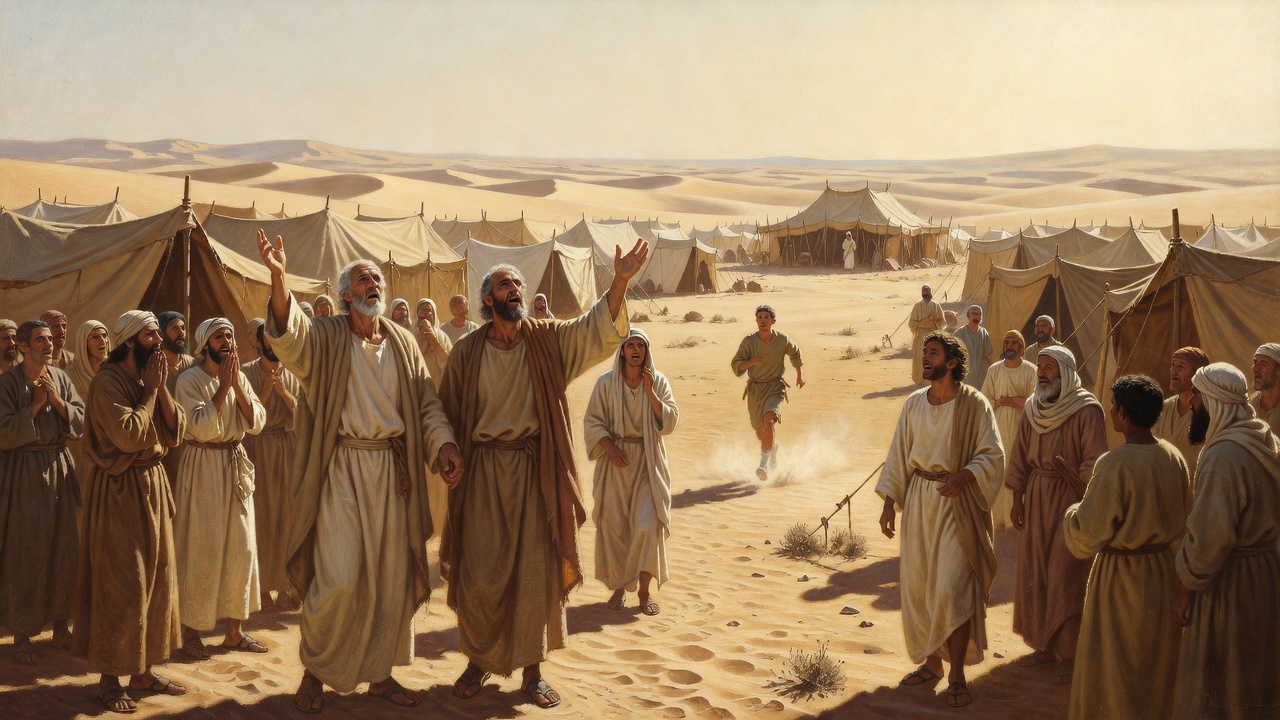
Did you know?
Complaints, Quail, and the Spirit in the Camp
- The places mentioned in this chapter derive their names from events during the journey: Taberah means "burning," named after fire consumed the outskirts of the camp, while Kibroth-hattaavah means "graves of longing" or "graves of lust," where those who craved meat were buried.Sources: Taberah · Kibroth-hattaavah · the Bible text itself
- Although seventy elders were selected to help Moses bear the responsibility of leadership, Eldad and Medad remained in the camp instead of going to the Tent of Meeting, yet the Spirit rested on them and they prophesied. When Joshua urged Moses to stop them, Moses replied that he wished all the Lord's people were prophets.Sources: Eldad · Joshua · the Bible text itself
- The text describes manna as resembling coriander seed and resin, which the Israelites gathered, ground with handmills or crushed in mortars, and boiled in pots or baked into cakes tasting like pastry prepared with fine oil.Sources: the Bible text itself
Notes written with AI assistance from open sources (Theographic Bible Metadata, CC BY-SA 4.0; Easton’s Bible Dictionary, public domain) and reviewed before publishing.
Places in this chapter
Only places identified with high confidence are shown (90% or more according to the scholarly sources compiled by OpenBible). Period map: DARE (Digital Atlas of the Roman Empire), CC BY 4.0; modern map: © OpenStreetMap contributors; places: OpenBible.info (CC BY 4.0).
Credits and license for this translation
Ãcõrẽ Bed̶ea
New Testament in Emberá, Northern (PM:emp:Emberá, Northern)
copyright © 2011 Wycliffe Bible Translators, Inc.
Language: Emberá, Northern
Translation by: Wycliffe Bible Translators, Inc.
Copyright Information
© 2011, Wycliffe Bible Translators, Inc. All rights reserved.
This translation text is made available to you under the
terms of the Creative Commons License: Attribution-Noncommercial-No Derivative Works.
( http://creativecommons.org/licenses/by-nc-nd/3.0/ )
In addition, you have permission to port the text to different file formats, as long as you
do not change any of the text or punctuation of the Bible.
You may share, copy, distribute, transmit, and extract portions
or quotations from this work, provided that you include the above copyright
information:
You must give Attribution to the work.
You do not sell this work for a profit.
You do not make any derivative works that change any of the actual words or punctuation of the Scriptures.
Permissions beyond the scope of this license may be
available if you contact
us with your request.
The New Testament
in Emberá, Northern
© 2011, Wycliffe Bible Translators, Inc. All rights reserved.
This translation is made available to you under the terms of the
Creative Commons Attribution-Noncommercial-No Derivatives license 4.0.
You may share and redistribute this Bible translation or extracts from it in any format, provided that:
You include the above copyright and source information.
You do not sell this work for a profit.
You do not change any of the words or punctuation of the Scriptures.
Pictures included with Scriptures and other documents on this site are licensed just for use with those Scriptures and documents.
For other uses, please contact the respective copyright owners.
2014-04-24
Source: http://ebible.org/empNTpo/ · eBible.org