Luke 16
Ãcõrẽ Bed̶ea · Tap a verse to see its cross-references.
Parata cawa obarid̶ebema ne jara b̶ʌ
1Jesuba idji ume nĩbabadarãa nãwã jarasia:
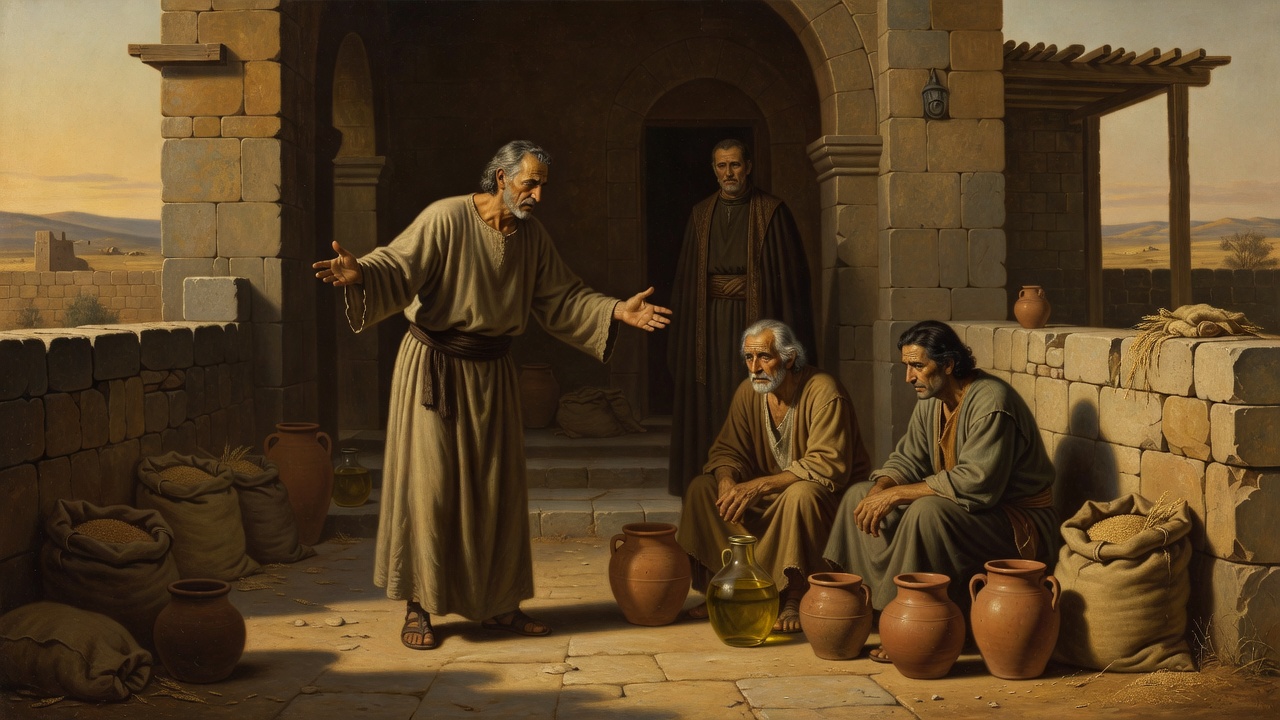
–Ẽberã bio bara b̶ʌba nezoca dji dromada erob̶asia. Maʌ̃ne ʌ̃cʌrʌba dji boroa jarasid̶aa maʌ̃ nezocaba idji paratara ãĩ o b̶ʌda. 2Maʌ̃ carea dji boroba idjira trʌ̃ped̶a nãwã quẽãsia: “Bʌa mʌ̃ parata ãĩ o b̶ʌra mʌ̃a ũrĩsia. Bʌa sãwã od̶ara cartad̶e acʌbidua. Mʌ̃a bʌra b̶atabueya.”
3Maʌ̃ ũrĩsid̶e nezocaba ara idjidub̶a jarasia: “Mʌ̃ boroba mʌ̃ra b̶atabuebʌrʌa. ¿Jãʌ̃be mʌ̃a sãwã oi? Mʌ̃ra traju zarea oi carea ʌb̶ʌaẽ́ b̶ʌa; maʌ̃ awara bio pera b̶aya djãrãa ne iwid̶i carea. 4Mʌ̃a cawa b̶ʌa sãwã oida mʌ̃ wãi naẽna. Mãwãra dewararãba mʌ̃ra ãdji ded̶e bia edad̶ia.”
5Ara maʌ̃da idji boroa diad̶i bara b̶eada ab̶a ab̶a trʌ̃cuasia. Dji naãrãbemaa iwid̶isia: “¿Bʌa jũmasãwã mʌ̃ boroa diaida b̶ʌ?” 6Maʌ̃ba panusia: “Mʌ̃a olivo dragada mil galoʌ̃ diaida b̶ʌa.” Maʌ̃ne nezocaba jarasia: “Mãẽteara isabe chũmeped̶a bʌ cartad̶e b̶ʌ́ b̶ʌra quĩrã awara odua. B̸ʌdua bʌa quinientobe diaida b̶ʌda.”
7Maʌ̃be dewaraa iwid̶isia: “¿Bʌa jũmasãwã diaida b̶ʌ?” Maʌ̃ba panusia: “Mʌ̃a trigoda cien ẽ diaida b̶ʌa.” Nezocaba jarasia: “Bʌ cartad̶e b̶ʌ́ b̶ʌra quĩrã awara odua. B̸ʌdua bʌa ochentabe diaida b̶ʌda.”
8Nezoca cadjiruaba mãwã od̶a carea dji boroba jarasia idjira crĩcha cawa b̶ʌda. Wãrãda Ãcõrẽ ẽberãrã cãyãbara naʌ̃ ẽjũãnebemarãba ne edad̶i carea ãdji ab̶aricarã ume biara crĩcha cawaad̶eba obadaa. 9Ara maʌ̃ quĩrãca mʌ̃a bãrãa jaraya: naʌ̃ ẽjũãnebema parataba zocãrã ẽberãrãda carebad̶adua. Mãwã bãrã dji biarãda zocãrã eropanania. Maʌ̃be bãrã beubʌdad̶e bajãne bia edad̶ia.
10Ab̶aʌba maãrĩ erob̶ʌda bia o cawa b̶ʌbʌrʌ, waib̶ʌa erob̶ʌ sid̶a bia o cawa b̶aya. Idjab̶a maãrĩ erob̶ʌda bia ocabʌrʌ, waib̶ʌa erob̶ʌ sid̶a bia oca baya. 11Ara maʌ̃ quĩrãca bãrãba naʌ̃ ẽjũãnebema nebiada jipa od̶aẽ́bʌrʌ ¿Ãcõrẽba bajãnebema nebiada bãrãa diaica? 12Idjab̶a Ãcõrẽba naʌ̃ ẽjũãne diad̶ada bãrãba jipa od̶aẽ́bʌrʌ ¿idjia bãrã itea bajãne erob̶ʌra diaica?
13Ni ab̶aʌ nezocaba poya idji boroda umé erob̶aẽ́a. Umé erob̶ʌbʌrʌ ab̶a biara quĩrĩãya. Ab̶a ẽpẽya maʌ̃ne dewarabemara igaraya. Ara maʌ̃ quĩrãca ne bara b̶ai awua b̶ʌba poya Ãcõrẽda ẽpẽẽ́a.–
14Jesuba jara b̶ʌra pariseorãba jũma ũrĩ duanasid̶aa. Ãdjirãra parata awua b̶ea bẽrã isud̶aped̶a ipid̶asid̶aa. 15Maʌ̃ne Jesuba ãdjirãa jarasia:
–Bãrãra dewararã quĩrãpita ẽberã bia quĩrãca panabadaa. Baribʌrʌ Ãcõrẽba cawa b̶ʌa bãrãra wãrãda sãwã b̶eada. Ẽberãrãba bia unubadara Ãcõrẽba bia unucaa.
Ãcõrẽ purud̶ebema
16Juaʌ̃ zei naẽna Ãcõrẽba Moisea diad̶a leyda, Ãcõrẽneba bed̶eabadarãba b̶ʌped̶ad̶a sid̶a dadjirãba eropanasid̶aa. Mamaʌba ʌ̃taa daiba bed̶ea bia Ãcõrẽ purud̶ebemada jaradia panʌa. Wãrãda ẽberãrãba ne jũmada o panʌa Ãcõrẽ purud̶ebemarãda b̶ead̶i carea. 17Baribʌrʌ Ãcõrẽba diad̶a leyra ni maãrĩ bid̶a jõẽ́a. Bajãda idjab̶a naʌ̃ ẽjũã sid̶a jõichaara b̶ʌa.
Jesuba mĩã amaira biẽ́ b̶ʌad̶a ad̶a
18Ẽberãba idji quimada amaped̶a dewara wẽrãda edaibʌrʌ daunema b̶ʌa. Idjia amana wẽrãda dewara umaquĩrãba edaibʌrʌ maʌ̃ umaquĩrã sid̶a daunema b̶ʌa.
Lazaro idjab̶a ẽberã bio bara b̶ad̶a
19Ẽberãda b̶asia bio bara b̶ʌda. Idjira ewariza wua pursupursuaba idjab̶a dji biara b̶ʌ lino cad̶aba djiobadjia. Maʌ̃ awara ne cobada dromada ewariza obadjia. Maʌ̃ ẽberãra naʌ̃ ẽjũãne bio bia b̶asia. 20Maʌ̃ne ẽberã ne neẽ́ quiru Lazaro abadada b̶asia. Lazarora ne bara b̶ʌ ded̶e ed̶a wãbadama egode b̶abadjia. Idjira bio chãdaid̶a b̶asia. 21Idjia ne bara b̶ʌ ne cobadad̶eba jurrud̶ada co quĩrĩã b̶abadjia. Maʌ̃ne usaba zed̶aped̶a idji chãdara senebadjid̶aa.
22Mãwã panʌne dji ne neẽ́ querad̶ara jaid̶asia. Ara maʌ̃da bajãnebema nezocarãba idjira Abrahaʌ̃ b̶ʌmaa edesid̶aa. Mãwãnacarea dji ne bara b̶ʌ sid̶a jaid̶asia. Maʌ̃be idjira tʌb̶arisid̶aa.
23Tʌbʌ uruad̶e bia mĩga b̶ʌd̶e ne bara b̶ad̶aba Abrahaʌ̃da, Lazaro ume ãbaa panʌda tʌmʌba unusia. 24Maʌ̃ carea jĩgua jarasia: “Zeza Abrahaʌ̃, mʌ̃ quĩrã djuburia Lazarora diabuedua. Idji jʌwa jĩwĩnĩra baidoba begueaped̶a mʌ̃ quĩrãme beguead̶e zebidua. Naʌ̃ tʌbʌ uruad̶e mʌ̃ra bio bia mĩga b̶ʌa.” 25Baribʌrʌ Abrahaʌ̃ba panusia: “Poya diabueẽ́a. Warra, quĩrãnebadua bʌ zocai b̶asid̶e ne jũmane bia b̶asida, baribʌrʌ Lazarora biẽ́ b̶asia. Id̶ira Lazarora necai b̶ʌa, maʌ̃ne bʌra bio bia mĩga b̶ʌa. 26Maʌ̃ awara uria dau cʌre b̶ʌda dadjirã ẽsi b̶ʌa. Maʌ̃ bẽrã bʌmaa wã quĩrĩã b̶ea sid̶a poya wãnaẽ́a. Idjab̶a jãmaʌba ni ab̶aʌda poya daimaa zed̶aẽ́a.”
27Maʌ̃ne ne bara b̶ad̶aba jarasia: “Zeza Abrahaʌ̃, mãẽteara mʌ̃ quĩrã djuburia Lazarora mʌ̃ zeza diguid̶aa diabuedua mʌ̃ djabarã juesuma panʌ́a jaramãrẽã nama sãwã b̶ʌda. Mʌ̃a quĩrĩãẽ́ b̶ʌa ãdjirã sid̶a nama bia mĩgad̶e zed̶ida.” 29Baribʌrʌ Abrahaʌ̃ba idjía jarasia: “Ãcõrẽba Moisea diad̶a leyda, Ãcõrẽneba bed̶eabadarãba b̶ʌped̶ad̶a sid̶a ãdjirãba eropanʌa. Maʌ̃drʌ ĩjãnida panʌa.” 30Maʌ̃ne dji ẽberãba panusia: “Zeza Abrahaʌ̃, maʌ̃gʌ carea ĩjãnaẽ́a. Baribʌrʌ ab̶aʌ beud̶ada ʌ̃rẽbaped̶a ãdjimaa jarad̶e wãibʌrʌ, ãdjia cadjiruara igarad̶aped̶a ĩjãnia.” 31Baribʌrʌ Abrahaʌ̃ba jarasia: “Ãcõrẽba Moisea diad̶a leyra, Ãcõrẽneba bed̶eabadarãba b̶ʌped̶ad̶a sid̶a ĩjãnaẽ́bʌrʌ, beud̶a ʌ̃rẽbad̶aba jarabʌrʌ sid̶a ĩjãnaẽ́a.”–
Did you know?
Wealth, two masters, and Lazarus
- In Jesus' words about the rich man and Lazarus, the rich man cries out, 'Father Abraham,' and Abraham answers, 'Child.' Easton's Bible Dictionary (1897) explains the name Abraham as 'Father of a multitude' and describes him as the heir of the promises.Sources: the Bible text itself · Abraham
- Speaking to Pharisees who were scoffing at him, Jesus says that the Law and the Prophets were proclaimed until John, and that since then the gospel of the kingdom of God is being preached. Easton's Bible Dictionary (1897) calls John the Baptist the 'forerunner of our Lord,' says that his mission was the subject of prophecy, including Isaiah 40:3 and Malachi 3:1, and states that his birth took place six months before that of Jesus.Sources: the Bible text itself · John the Baptist
- A manager accused of wasting his master's possessions is told to turn in an account and give up his position. He has the debtors rewrite their bills, reducing a hundred measures of olive oil to fifty and a hundred measures of wheat to eighty, and the master commends the dishonest manager because he had acted shrewdly. Jesus then says that no servant can serve two masters, and that no one can serve both God and money.Sources: the Bible text itself
Notes written with AI assistance from open sources (Theographic Bible Metadata, CC BY-SA 4.0; Easton’s Bible Dictionary, public domain) and reviewed before publishing.
Credits and license for this translation
Ãcõrẽ Bed̶ea
New Testament in Emberá, Northern (PM:emp:Emberá, Northern)
copyright © 2011 Wycliffe Bible Translators, Inc.
Language: Emberá, Northern
Translation by: Wycliffe Bible Translators, Inc.
Copyright Information
© 2011, Wycliffe Bible Translators, Inc. All rights reserved.
This translation text is made available to you under the
terms of the Creative Commons License: Attribution-Noncommercial-No Derivative Works.
( http://creativecommons.org/licenses/by-nc-nd/3.0/ )
In addition, you have permission to port the text to different file formats, as long as you
do not change any of the text or punctuation of the Bible.
You may share, copy, distribute, transmit, and extract portions
or quotations from this work, provided that you include the above copyright
information:
You must give Attribution to the work.
You do not sell this work for a profit.
You do not make any derivative works that change any of the actual words or punctuation of the Scriptures.
Permissions beyond the scope of this license may be
available if you contact
us with your request.
The New Testament
in Emberá, Northern
© 2011, Wycliffe Bible Translators, Inc. All rights reserved.
This translation is made available to you under the terms of the
Creative Commons Attribution-Noncommercial-No Derivatives license 4.0.
You may share and redistribute this Bible translation or extracts from it in any format, provided that:
You include the above copyright and source information.
You do not sell this work for a profit.
You do not change any of the words or punctuation of the Scriptures.
Pictures included with Scriptures and other documents on this site are licensed just for use with those Scriptures and documents.
For other uses, please contact the respective copyright owners.
2014-04-24
Source: http://ebible.org/empNTpo/ · eBible.org