Jonah 4
Ãcõrẽ Bed̶ea · Tap a verse to see its cross-references.
Ãcõrẽba Ninive quĩrã djuburiad̶a
1Ãcõrẽba mãwã quĩrã djuburiad̶ara Jonába ab̶ed̶a biẽ́ unusia. Maʌ̃ bẽrã bio quĩrũsia. 2Idjia Ãcõrẽa nãwã jarasia:
–Mʌ̃ Boro Ãcõrẽ, wad̶ibid̶a mʌ̃ druad̶e b̶asid̶e ¿mʌ̃a jaraẽ́ basica ara maʌ̃ quĩrãca mãwãida? Maʌ̃ carea mʌ̃ra Tarsi druad̶aa mĩrũ wã quĩrĩãsia. Mʌ̃a bio cawa b̶ʌa bʌ biad̶eba ẽberãrãra carebabarida. Bʌra quĩrã djuburiaid̶a b̶ʌa. Isabe quĩrũcaa. Bʌ quĩrĩãra bio waib̶ʌa b̶ʌ bẽrã ẽberãrãba cadjiruada idu b̶ʌsid̶ara bʌa ãdjirãa cawa oi jarad̶ara quĩrãdoabaria. 3Maʌ̃ carea mʌ̃ Boro Ãcõrẽ, mʌ̃a bʌ́a quĩrã djuburia iwid̶iya ab̶ed̶a mʌ̃ra beamãrẽã. Zocai b̶ei cãyãbara biara b̶ʌa mʌ̃ra beuida.–
4Baribʌrʌ Ãcõrẽba jarasia:
–¿Bʌmaarã bia b̶ʌca bʌ jãwã quĩrũ b̶ʌra?–
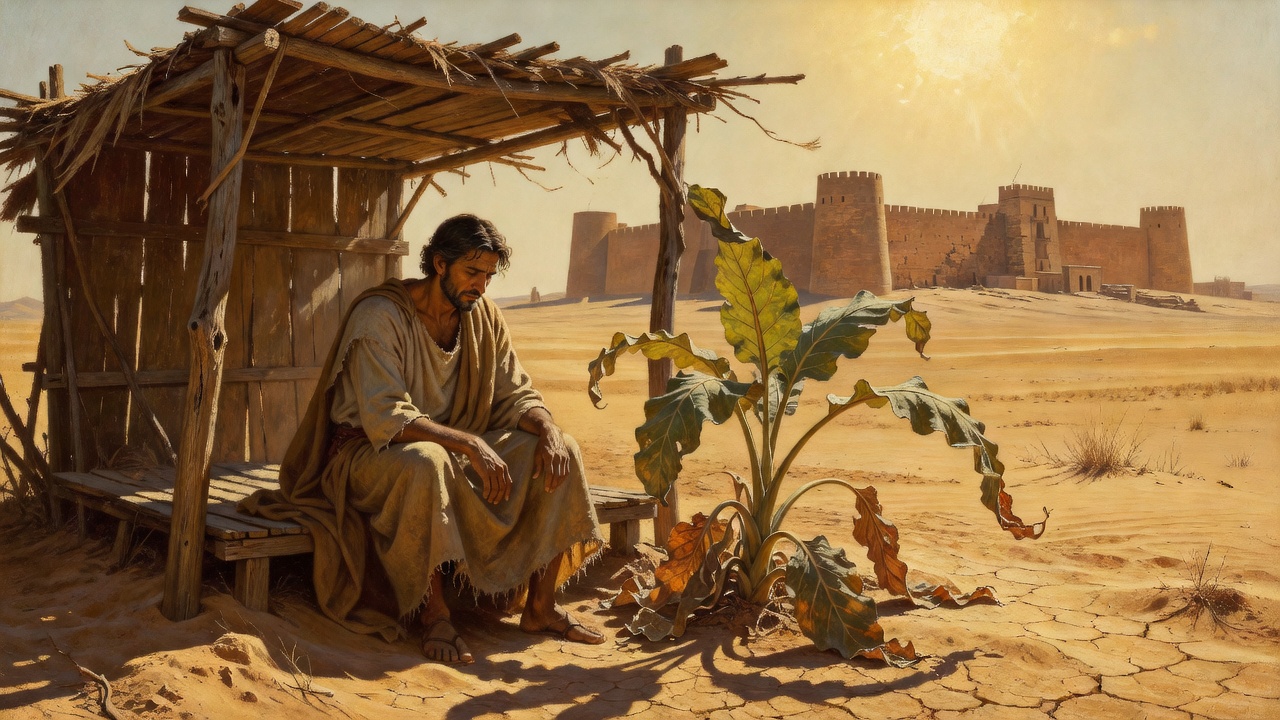
5Maʌ̃be Jonára puru dajadaa wãped̶a ʌ̃mãdau odjabariare de zaqueda osia. Maʌ̃ de zaque edre chũmeped̶a jʌ̃ã b̶esia Ninive purura sãwãi cawaya. 6Mãwã b̶ʌd̶e Ãcõrẽba Joná caita jʌ̃cara quedua joub̶ʌa b̶ʌda tunubiped̶a waribisia. Maʌ̃ jʌ̃carara Joná chũmʌ ʌ̃rʌ̃ bʌrá wãna bẽrã Jonára cũrãsad̶e necai b̶esia. Idjira capipia b̶esia maʌ̃ jʌ̃cara carea.
7Baribʌrʌ nurẽma diaped̶a Ãcõrẽba caragada diabuesia maʌ̃ jʌ̃cara comãrẽã. Maʌ̃ba jʌ̃carara beusia. 8Besea odjad̶acarea Ãcõrẽba ʌ̃mãdau odjabariareba nãũrã jʌ̃wʌ̃rʌ̃ãda puábisia. Maʌ̃ne beseaba Jonára bá nũmesia. Mãwã b̶ʌd̶e Jonára cacua norrab̶ari nũmesia. Maʌ̃ carea idjira wetara beu quĩrĩãsia. Nãwã jarasia:
–Zocai b̶ei cãyãbara biara b̶ʌa mʌ̃ra beuida.–
9Baribʌrʌ Ãcõrẽba idjía iwid̶isia:
–¿Naʌ̃ jʌ̃cara beud̶a carea bia b̶ʌca bʌ jãwã quĩrũ b̶ʌra?–
Jonába panusia:
–Mãẽ. Wãrãda mʌ̃maarã bia b̶ʌa jãwã quĩrũ b̶aira. Mʌ̃ra quĩrũbid̶eba ab̶ed̶a beu quĩrĩã b̶ʌa.–
10Maʌ̃ carea Ãcõrẽba idjía jarasia:
–Jʌ̃cara bʌ caita tununara bʌa uẽ́ basía idjab̶a waribiẽ́ basía. Diamasi tunuped̶a nurẽma diamasi beusia. Baribʌrʌ maʌ̃ jʌ̃cara beud̶a carea bʌra sopua b̶ʌa. 11Bʌda maʌ̃ jʌ̃cara carea sopua b̶ʌbʌrʌ, ¿Ninive puru droma cawa oida b̶ad̶a carea aud̶uara sopua b̶aped̶a mʌ̃a quĩrã djuburiaiẽ́ b̶asica? Wãrãda jãʌ̃ purud̶e cadjirua o panʌ adua b̶eada 120 mil aud̶u panʌa. Maʌ̃ awara animarã sid̶a baraa.–
Did you know?
Jonah's Anger and God's Compassion
- Jonah admits that he originally attempted to flee toward Tarshish precisely because he knew God is gracious, compassionate, slow to anger, and relents from sending disaster. His distress arose when God chose to spare Nineveh rather than destroy it.Sources: the Bible text itself · Tarshish
- Nineveh, the flourishing capital of the Assyrian empire, is described at the conclusion of the book as home to more than 120,000 people who cannot discern between their right and left hand, along with many cattle. God highlights this massive population to contrast divine compassion with Jonah's concern for a single withered plant.Sources: the Bible text itself · Nineveh
Notes written with AI assistance from open sources (Theographic Bible Metadata, CC BY-SA 4.0; Easton’s Bible Dictionary, public domain) and reviewed before publishing.
Places in this chapter
- Nineveh · 36.359, 43.153 · verse 11
Only places identified with high confidence are shown (90% or more according to the scholarly sources compiled by OpenBible). Period map: DARE (Digital Atlas of the Roman Empire), CC BY 4.0; modern map: © OpenStreetMap contributors; places: OpenBible.info (CC BY 4.0).
Credits and license for this translation
Ãcõrẽ Bed̶ea
New Testament in Emberá, Northern (PM:emp:Emberá, Northern)
copyright © 2011 Wycliffe Bible Translators, Inc.
Language: Emberá, Northern
Translation by: Wycliffe Bible Translators, Inc.
Copyright Information
© 2011, Wycliffe Bible Translators, Inc. All rights reserved.
This translation text is made available to you under the
terms of the Creative Commons License: Attribution-Noncommercial-No Derivative Works.
( http://creativecommons.org/licenses/by-nc-nd/3.0/ )
In addition, you have permission to port the text to different file formats, as long as you
do not change any of the text or punctuation of the Bible.
You may share, copy, distribute, transmit, and extract portions
or quotations from this work, provided that you include the above copyright
information:
You must give Attribution to the work.
You do not sell this work for a profit.
You do not make any derivative works that change any of the actual words or punctuation of the Scriptures.
Permissions beyond the scope of this license may be
available if you contact
us with your request.
The New Testament
in Emberá, Northern
© 2011, Wycliffe Bible Translators, Inc. All rights reserved.
This translation is made available to you under the terms of the
Creative Commons Attribution-Noncommercial-No Derivatives license 4.0.
You may share and redistribute this Bible translation or extracts from it in any format, provided that:
You include the above copyright and source information.
You do not sell this work for a profit.
You do not change any of the words or punctuation of the Scriptures.
Pictures included with Scriptures and other documents on this site are licensed just for use with those Scriptures and documents.
For other uses, please contact the respective copyright owners.
2014-04-24
Source: http://ebible.org/empNTpo/ · eBible.org