John 16
Ãcõrẽ Bed̶ea · Tap a verse to see its cross-references.
1Mʌ̃a jũma maʌ̃gʌra bãrãa jara b̶ʌa mʌ̃ ĩjã panʌra igararãnamãrẽã. 2Judiorãba bãrãra ãdjirã dji jʌrebada ded̶ebemada ãyã jʌrecuad̶ia. Maʌ̃ awara bãrã bead̶i ewarira zeya. Bãrã beabʌdad̶e ãdjirãba crĩchad̶ia Ãcõrẽba quĩrĩã b̶ʌda o panʌda. 3Mãwã od̶ia mʌ̃ Zezada, mʌ̃ sid̶a adua panʌ bẽrã. 4Baribʌrʌ mʌ̃a jũma maʌ̃gʌra bãrãa jarabʌrʌa, maʌ̃ ewari jũẽbʌrʌd̶e mʌ̃a jarad̶ara quĩrãnebad̶aped̶a sozarra b̶ead̶amãrẽã.
Ãcõrẽ Jaureba o b̶ʌd̶ebema
Mʌ̃a bãrã bia mĩgad̶id̶ebemada naẽna jaraẽ́ basía bãrã ume b̶ad̶a bẽrã. 5Baribʌrʌ mʌ̃ra mʌ̃ Diabued̶amaa wãya. Mãwãmĩna ni ab̶aʌ bãrãnebemaba mʌ̃́a iwid̶id̶aẽ́ panʌa “bʌra ¿sãma wãi?” 6Ãtebʌrʌ bãrãra sopua panʌa mʌ̃ra wãyana ad̶a bẽrã. 7Mʌ̃a wãrã arada jaraya: bãrã itea biara b̶ʌa mʌ̃ra wãida. Mʌ̃da wãẽ́bʌrʌ bãrã Carebabarida zeẽ́a. Baribʌrʌ mʌ̃da wãibʌrʌ idjira diabueya.
8Ãcõrẽ Jaure zebʌrʌd̶e naʌ̃ ẽjũãnebemarãa cawabiya caida cadjirua obarida, caida jipa b̶ʌda, idjab̶a caida bed̶ead̶e b̶ʌda. Cawabiya ãdjirãba jũma maʌ̃gʌd̶ebemada ãĩ crĩcha panʌda. 9Ãcõrẽ Jaureba ãdjirãa cawabiya mʌ̃ bed̶ea ĩjãnaca bẽrã cadjirua obadada. 10Cawabiya mʌ̃ra jipa b̶ʌda mʌ̃ Zezamaa wãna bẽrã. Maʌ̃ne bãrãba mʌ̃ra waa ununaẽ́a. 11Idjab̶a Ãcõrẽ Jaureba cawabiya naʌ̃ ẽjũãnebemarãra wãrãda bed̶ead̶e panʌda, Ãcõrẽba naʌ̃ ẽjũãnebema borora bed̶ead̶e b̶ʌad̶a ad̶a bẽrã.
12Mʌ̃a wad̶ibid̶a ne zocãrã bãrãa jara quĩrĩã b̶ʌa. Maʌ̃ra bãrãba nawena jũma poya cawad̶aẽ́a. 13Baribʌrʌ Ãcõrẽ Jaureba wãrã bed̶eara cawabibari bẽrã idji zebʌrʌd̶e bãrãa jaradiaya wãrã bed̶ea Ãcõrẽneba ze b̶ʌda jũma cawad̶amãrẽã. Idjira ara idji crĩchad̶eba bed̶eaẽ́a, ãtebʌrʌ jũma mʌ̃neba ũrĩbʌrʌda jaraya. Idjia bãrãa cawabiya nocoarebema ewarid̶e cãrẽda sãwãida. 14Cawabiya mʌ̃ra dji dromada, mʌ̃ bed̶ea ũrĩped̶a jũma bãrãa jaradiai bẽrã. 15Jũma mʌ̃ Zezad̶era mʌ̃rea. Maʌ̃ carea mʌ̃a jarasia Ãcõrẽ Jaureba mʌ̃ bed̶ea ũrĩped̶a bãrãa jaradiaida.
Bãrãra sopua pananaped̶a b̶ʌsrid̶ad̶ia
16Dãrãẽ́ne bãrãba mʌ̃ra ununaẽ́a, baribʌrʌ mãwãnacarea wayacusa dãrãẽ́ne mʌ̃ra ununia.–
17Maʌ̃ne ʌ̃cʌrʌ idji ume nĩbabadarãba ara ãdjidub̶a iwid̶i duanasid̶aa:
–Idjia dadjirãa “dãrãẽ́ne bãrãba mʌ̃ra ununaẽ́a, baribʌrʌ mãwãnacarea wayacusa dãrãẽ́ne mʌ̃ra ununiana” a b̶ʌba ¿cãrẽda jara b̶ʌ? Idji Zezamaa wãyana a b̶ʌba ¿cãrẽda jara b̶ʌ? 18Maʌ̃ bed̶ea “dãrãẽ́ne” a b̶ʌba ¿cãrẽda jara b̶ʌ? Dadjirãba cawad̶aẽ́ panʌa cãrẽnebemada bed̶ea b̶ʌda.–
19Jesuba cawasia ãdjia maʌ̃gʌd̶ebemada iwid̶i quĩrĩã panʌda. Maʌ̃ carea jarasia:
–Mʌ̃a bãrãa jarasia dãrãẽ́ne mʌ̃ra ununaẽ́da idjab̶a mãwãnacarea dãrãẽ́ne mʌ̃ra wayacusa ununida. ¿Maʌ̃gʌd̶ebemada ara bãdub̶a iwid̶i duanʌẽ́ca? 20Wãrã arada mʌ̃a jaraya: bãrãra sopuaba jĩãnia baribʌrʌ naʌ̃ ẽjũãnebemarãra b̶ʌsrid̶ad̶ia. Bãrãra sopuaba jĩãnimĩna maʌ̃ sopuara jõped̶a b̶ʌsrid̶ad̶ia. 21Wãrãda wẽrã warra tobʌrʌd̶e pua b̶ʌa idji ewarira jũẽna bẽrã. Baribʌrʌ warra tod̶acarea maʌ̃ puara quĩrãdoabaria idji warra carea b̶ʌsrid̶a b̶ʌ bẽrã. 22Ara maʌ̃ quĩrãca bãrãra ara nawena sopua panʌa, baribʌrʌ mʌ̃ra wayacusa bãrã acʌd̶e zeya. Maʌ̃be bãrãra b̶ʌsrid̶ad̶ia. Ni ab̶aʌba maʌ̃ b̶ʌsrid̶ara poya jõbiẽ́a.
23Maʌ̃gʌ ewarid̶e bãrãba ni cãrẽ sid̶a mʌ̃́a waa iwid̶id̶aẽ́a. Wãrã arada mʌ̃a jaraya: bãrãba mʌ̃ Zezaa mʌ̃ trʌ̃neba iwid̶ibʌdara idjia diaya. 24Bãrãba wad̶ibid̶a dadji Zezaa ni cãrẽ sid̶a mʌ̃ trʌ̃neba iwid̶id̶aẽ́ panʌa. Baribʌrʌ mãwã iwid̶id̶ibʌrʌ edad̶ia. Mãwã bãrãra bio b̶ʌsrid̶a b̶ead̶ia.
25Mʌ̃a ne jara b̶ʌd̶eba maʌ̃gʌra bãrãa jarasia, baribʌrʌ ewari ab̶a mʌ̃ra waa ne jara b̶ʌd̶eba bed̶eaẽ́a. Ãtebʌrʌ mʌ̃ Zezad̶ebemada ebud̶a jaraya. 26Maʌ̃ ewarid̶e bãrãba mʌ̃ trʌ̃neba Ãcõrẽa iwid̶id̶ia. Mʌ̃ra bãrãbari Ãcõrẽa bed̶eaẽ́a, mʌ̃ Zezaba bãrãra quĩrĩã b̶ʌ bẽrã. Idjia bãrãra quĩrĩã b̶ʌa, mʌ̃da quĩrĩã panʌ bẽrã idjab̶a mʌ̃ra Ãcõrẽneba zed̶ada ĩjã panʌ bẽrã.
28Mʌ̃ Zezamaʌba naʌ̃ ẽjũãnaa zesia. Baribʌrʌ mʌ̃a naʌ̃ ẽjũãra ameya mʌ̃ Zezamaa wayacusa wãi carea.–
29Maʌ̃be idji ume nĩbabadarãba jarasid̶aa:
–Ʌ̃rãbʌrʌ bʌa jara b̶ʌra daima ebud̶a b̶ʌa. Ne jara b̶ʌd̶eba bed̶ea b̶ʌẽ́a. 30Ʌ̃rãbʌrʌ dairãba cawabʌdaa bʌa ne jũmada cawa b̶ʌda. Daiba iwid̶id̶i naẽna bʌa sãwã panuida cawa b̶ʌa. Maʌ̃neba dairãba cawa panʌa bʌra Ãcõrẽneba zesida.–
31Jesuba jarasia:
–¿Ʌ̃rãbʌrʌ bãrãba wãrãda ĩjãbʌdaca? 32Ewari jũẽida b̶ad̶ada jũẽbʌrʌa. Bãrãra jũma ab̶a ab̶a memenenaped̶a mʌ̃dub̶a amenia. Baribʌrʌ mʌ̃dub̶a b̶aẽ́a mʌ̃ Zezada mʌ̃ ume b̶ʌ bẽrã. 33Jũma maʌ̃gʌra mʌ̃a bãrãa jarasia mʌ̃neba necai b̶ead̶amãrẽã. Naʌ̃ ẽjũãne bia mĩga b̶ead̶ia, baribʌrʌ ne wayarãnadua: naʌ̃ ẽjũãnebema cadjiruada mʌ̃a poyasia.–
Did you know?
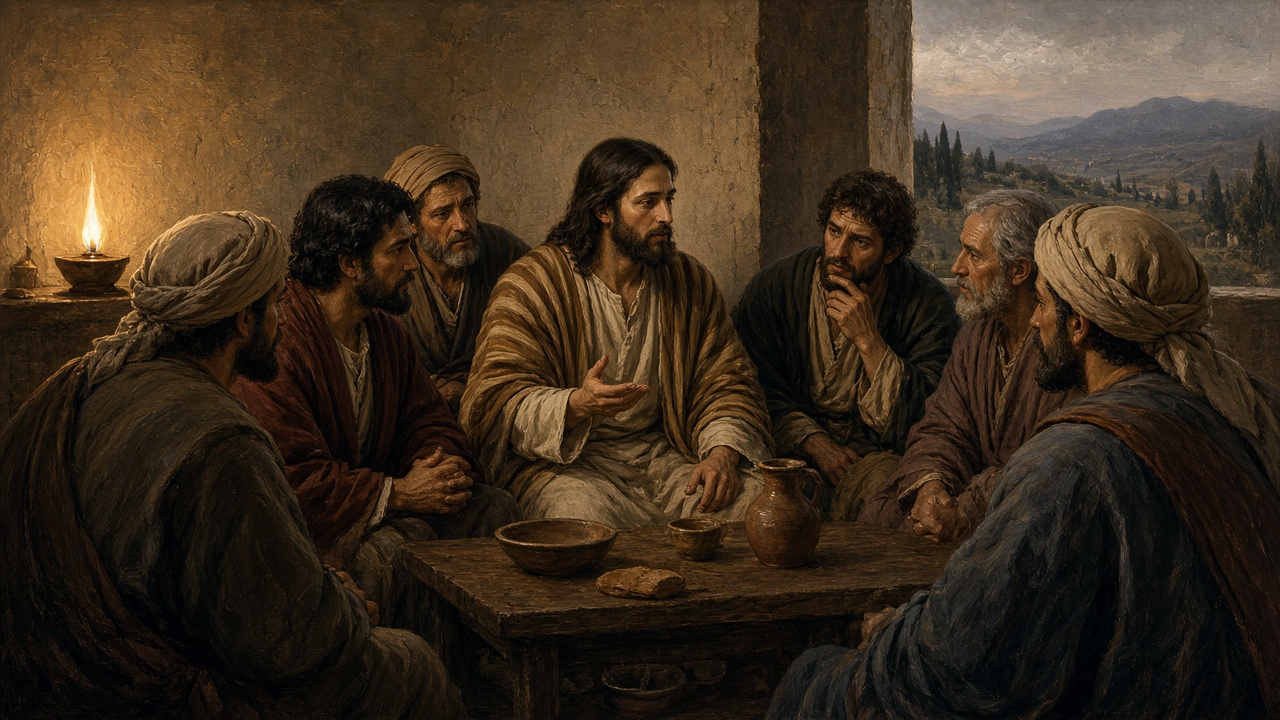
Departure, the Advocate, and joy after grief
- Event notes place this chapter in the Upper Room Discourse, a one-day episode within Holy Week, which those notes list as eight days.Sources: Upper Room Discourse · Holy Week
- Jesus tells the disciples they will be put out of the synagogues. He adds that a time is coming when anyone who kills them will think he is offering a service to God, because they have not known the Father or him.Sources: the Bible text itself
- He says it is for their benefit that he is going away, because unless he goes, the Advocate will not come. When the Spirit of truth comes, he will guide them into all truth, not speaking on his own but saying what he hears and declaring what is to come.Sources: the Bible text itself
Notes written with AI assistance from open sources (Theographic Bible Metadata, CC BY-SA 4.0; Easton’s Bible Dictionary, public domain) and reviewed before publishing.
Credits and license for this translation
Ãcõrẽ Bed̶ea
New Testament in Emberá, Northern (PM:emp:Emberá, Northern)
copyright © 2011 Wycliffe Bible Translators, Inc.
Language: Emberá, Northern
Translation by: Wycliffe Bible Translators, Inc.
Copyright Information
© 2011, Wycliffe Bible Translators, Inc. All rights reserved.
This translation text is made available to you under the
terms of the Creative Commons License: Attribution-Noncommercial-No Derivative Works.
( http://creativecommons.org/licenses/by-nc-nd/3.0/ )
In addition, you have permission to port the text to different file formats, as long as you
do not change any of the text or punctuation of the Bible.
You may share, copy, distribute, transmit, and extract portions
or quotations from this work, provided that you include the above copyright
information:
You must give Attribution to the work.
You do not sell this work for a profit.
You do not make any derivative works that change any of the actual words or punctuation of the Scriptures.
Permissions beyond the scope of this license may be
available if you contact
us with your request.
The New Testament
in Emberá, Northern
© 2011, Wycliffe Bible Translators, Inc. All rights reserved.
This translation is made available to you under the terms of the
Creative Commons Attribution-Noncommercial-No Derivatives license 4.0.
You may share and redistribute this Bible translation or extracts from it in any format, provided that:
You include the above copyright and source information.
You do not sell this work for a profit.
You do not change any of the words or punctuation of the Scriptures.
Pictures included with Scriptures and other documents on this site are licensed just for use with those Scriptures and documents.
For other uses, please contact the respective copyright owners.
2014-04-24
Source: http://ebible.org/empNTpo/ · eBible.org