Judges 7
Ãcõrẽ Bed̶ea · Tap a verse to see its cross-references.
Gedeoʌ̃ba madianitarã poyad̶a
1Nurẽma diaped̶ed̶a Gedeoʌ̃, Jerobaal abadara idji ume panʌ sid̶a pirab̶arid̶aped̶a Harod baido ʌ̃ta bogadrʌ b̶ʌmaa wãsid̶aa. Mama madianitarã ume djõni carea panesid̶aa. Madianitarãra ãdjirã quĩrãpe duanasid̶aa Jezreel jewed̶ad̶e Moré eya caita.
2Maʌ̃be Ãcõrẽba Gedeoʌ̃a jarasia:
–Bʌa sordaorãra jũmawãyã erob̶ʌa. Mʌ̃a bãrã israelerã zocãrã panʌ́a madianitarãda idu poyabibʌrʌ, bãrãba jarad̶ia ara bãdji ʌb̶ʌad̶eba poyasid̶ada. 3Maʌ̃ carea bʌ sordaorãa jaradua ab̶aʌda ne waya b̶ʌbʌrʌ, naʌ̃ Gala eyad̶eba diguid̶aa wãida b̶ʌda.–
Gedeoʌ̃ba mãwã jarabʌrʌd̶e veintidos mil jẽda wãsid̶aa. Maʌ̃ne die mil panesid̶aa. 4Maʌ̃be Ãcõrẽba jarasia:
–Wad̶ibid̶a jũmawãyã zocãrã panʌa. Do zaqued̶aa baido dod̶amãrẽã ededua. Mama mʌ̃a cawabiya cairãda djõne wãnida panʌda. Mʌ̃a naʌ̃ ẽberãda bʌ ume wãyana aibʌrʌ, idjira wãida b̶ʌa. Wãẽ́ana aibʌrʌ wãiẽ́ b̶ʌa.–
5Ara maʌ̃da Gedeoʌ̃ba idji sordaorãra edesia baido dod̶amãrẽã. Mãwã panʌne Ãcõrẽba Gedeoʌ̃a nãwã jarasia:
–Ʌ̃cʌrʌba baidora ãdji jʌwa jãne jue edad̶aped̶a usa quĩrãca sene do panʌa. Waabemaba chĩrãborod̶e copanenaped̶a baidora do panʌa. Ãdji jʌwa jãneba do nũpanʌra awara b̶ʌdua.–
6Dji jʌwa jãneba do nũpanʌra tresciento panasid̶aa. Waabemaba chĩrãborod̶eba baidora do panasid̶aa. 7Maʌ̃be Ãcõrẽba Gedeoʌ̃a jarasia:
–Maʌ̃ tresciento panʌba mʌ̃a bʌ́a madianitarãra poyabiya. Mãwã mʌ̃a bãrã israelerãra ẽdrʌ b̶ʌya. Waabema sordaorãa jaradua ãdji diguid̶aa wãnamãrẽã.–
8Ara maʌ̃da Gedeoʌ̃ba ãdjirãa jarasia diguid̶aa wãnamãrẽã baribʌrʌ ãdjia cod̶i careabemada, oveja cachu sid̶a amebisia. Ãdjirã wãped̶ad̶acarea Gedeoʌ̃ sordaorãra trescientobe panesid̶aa. Maʌ̃ne madianitarãra ed̶aa Jezreel jewed̶ad̶e duanasid̶aa.
9Diamasi Ãcõrẽba Gedeoʌ̃a nãwã jarasia:
–Pirab̶arid̶aped̶a madianitarã ume djõne wãnadua. Mʌ̃a bʌ́a ãdjirãra poyabiya. 10Baribʌrʌ bʌa ãdjirã ume djõne wãi carea waya b̶ʌbʌrʌ, naãrã ãdjirã duanʌmaa bʌ nezoca Purá ume ed̶aa wãdua. 11Maʌ̃be ãdjirãba jara panʌda ũrĩdua. Maʌ̃ba bʌra sozarraara b̶eya ãdjirã ume djõi carea.–
Ara maʌ̃da Gedeoʌ̃ra idji nezoca Purá ume ed̶aa wãsia madianitarã panʌ caita. 12Maʌ̃ne Jezreel jewed̶ara bira nũmasia madianitarãba, amalecitarãba, ʌ̃mãdau odjabariarebemarã bid̶a. Ãdjirãra cãbana panasid̶aa ad̶ichichi néu cod̶e zebada quĩrãca. Ãdji cameyora poya juachad̶aca basía ĩbʌ pusa icawa b̶ʌ quĩrãca.
13Gedeoʌ̃ madianitarã duanʌma jũẽsid̶e ũrĩsia ẽberãda umé bed̶ea panʌda. Ab̶aʌba nẽbʌrʌ b̶asia idjia cãĩmocarad̶e ununada. Nãwã jarasia:
–Mʌ̃ cãĩmocarad̶e unusia cebada paʌ̃ borococoa od̶ada nama dadjirã duanʌmaa bʌrab̶ari zebʌrʌda. Maʌ̃ba wua ded̶aa tab̶arid̶e zebʌrʌba coratasia.–
14Maʌ̃ne dewarabemaba jarasia:
–Maʌ̃gʌba jara b̶ʌa jãʌ̃ Israeld̶ebema Joasa warra Gedeoʌ̃da idji neco bara djõne zebʌrʌda. Wãrãda Ãcõrẽba idjía dadji madianitarãra dadjirãare panʌ sid̶a jũma poyabiya.–
15Gedeoʌ̃ba maʌ̃ cãĩmocarara, dji cawa jarad̶a sid̶a ũrĩped̶a Ãcõrẽa bia bed̶easia. Maʌ̃be israelerã sordaorã panʌmaa jẽda wãped̶a jarasia:
–Ãcõrẽba dadjirãa jãʌ̃ madianitarãra poyabiya. ¡Ara nawena pirab̶arid̶adua djõne wãni carea!–
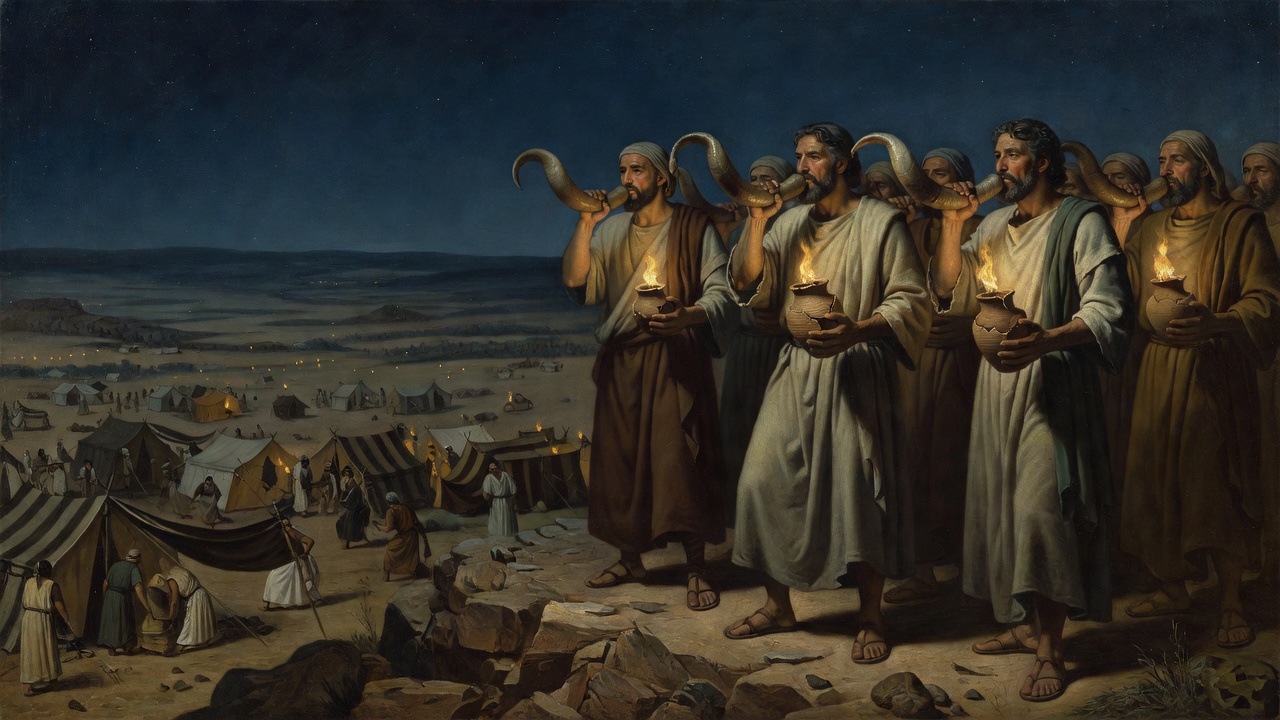
16Maʌ̃be Gedeoʌ̃ba idji sordaorã tresciento panʌda awara awara b̶ʌsia. Idjia cien edasia, dewara boro umé panʌ́a ãdjiza cien diasia. Maʌ̃be oveja cachuda, zoco sid̶a jũmarãa jed̶ecasia. Cãdorrona ĩbĩrãda maʌ̃ zocod̶e ed̶a b̶ʌbicuasia ebud̶a ʌ̃narãmãrẽã. 17Maʌ̃be ãdjirãa jarasia:
–Naãrã dadjirãba madianitarãra jũrã edad̶ia. Mʌ̃da acʌd̶adua. Mʌ̃da ãdjirã duanʌ wagabe jũẽsira mʌ̃a obʌrʌ quĩrãca od̶adua. Mʌ̃a, mʌ̃ ume wãbʌda bid̶a cachura jĩgua zabʌdad̶e bãrã bid̶a zad̶adua. Maʌ̃be nãwã b̶iad̶adua: “¡Ãcõrẽ trʌ̃neba, Gedeoʌ̃ trʌ̃ne bid̶a djõbʌdaa!”–
19Maʌ̃be Gedeoʌ̃ra idji sordaorã cien panʌ ume madianitarã panʌ wagaa jũẽsid̶aa. Dãrãẽ́ b̶asia madianitarãba ãdji ariquẽtra wagabadarãda b̶ʌcuaped̶ad̶ada. Maʌ̃ne Gedeoʌ̃ba idji ume panʌ bid̶a cachura jĩgua zasid̶aa. Zoco ãdji jʌwad̶e eropanʌ sid̶a ab̶ed̶a bogatasid̶aa. 20Ara maʌ̃ne dji bororã umé panʌba ãdji sordaorã bid̶a cachura zasid̶aa. Ãdji zoco sid̶a bogatasid̶aa. Maʌ̃be dji ĩbĩrãda ãdji jʌwa acʌare edasid̶aa. Cachura ãdji jʌwa araare eropanasid̶aa. Maʌ̃ne nãwã b̶iasid̶aa:
–¡Ãcõrẽ trʌ̃neba, Gedeoʌ̃ trʌ̃ne bid̶a djõbʌdaa!–
21Maʌ̃ne israelerã tresciento panʌba cachura ãdji duanʌma zá panesid̶aa. Ãdjirãba madianitarãra jũrã eropanana bẽrã madianitarãra b̶iad̶aped̶a mĩrũ piraposid̶aa. Maʌ̃ne Ãcõrẽba madianitarãra ara ãdjidub̶a necoba djõbigasia. Mãwã panʌne madianitarãra Zererad̶aa wãbada od̶e Bet-sita purud̶aa mĩrũ wãsid̶aa. Idjab̶a Abel-mehola purud̶aa Tabat caita mĩrũ wãsid̶aa. 23Maʌ̃ne Gedeoʌ̃ba israelerã Neptalid̶ebemada, Aserd̶ebemada, jũma Manased̶ebema sid̶a trʌ̃bigasia madianitarã ẽpẽnamãrẽã. 24Gedeoʌ̃ba bed̶eada Epraiʌ̃ eyaid̶a b̶ʌ ẽjũãnaa diabuesia Epraiʌ̃nebemarã djõne zed̶aped̶a madianitarã Jordaʌ̃ dod̶e idu chãbirãnamãrẽã. Ara maʌ̃da Epraiʌ̃nebemarãra ed̶a zed̶aped̶a Bet-barad̶e, Jordaʌ̃ jewed̶ad̶e bid̶a do chãbadama jʌ̃ãsid̶aa. 25Mãwã panʌne madianita bororãda umé jidasid̶aa, Oreb idjab̶a Zeeb. Oreb abadara beasid̶aa eya ʌra jira b̶ʌma. Mama trʌ̃ b̶ʌsid̶aa “Oreb eya ʌra jira b̶ʌ.” Zeeb abadara beasid̶aa uva biwadʌgabada uriad̶e. Mama trʌ̃ b̶ʌsid̶aa “Zeeb uva biwadʌgabada.” Israelerãba waabema madianitarã ẽpẽped̶ad̶acarea ãdjia Oreb borora, Zeeb boro sid̶a b̶ʌá tud̶aped̶a Jordaʌ̃ do quĩrãrẽ Gedeoʌ̃maa edesid̶aa.
Did you know?
Gideon's Three Hundred
- Before the battle, Gideon's force of 32,000 men was drastically reduced to just 300 at the spring of Harod. First, 22,000 fearful men were permitted to return home, and the remaining 10,000 were sifted by how they drank water from the spring, leaving only those who brought water to their mouths with their hands.Sources: the Bible text itself · Harod
- Gideon used night tactics and psychological shock by dividing his 300 men into three companies armed only with rams' horns, torches, and clay jars. Surrounding the vast camp of Midianites and allied eastern nomads near the hill of Moreh during the night watch, the sudden sound of shattering jars and blowing horns caused the enemy to turn on one another in the dark.Sources: the Bible text itself · Moreh (little Hermon) · East
- As the Midianites fled toward the Jordan River, the tribe of Ephraim was summoned to cut off their retreat at the river crossings. The Ephraimites captured and executed two Midianite leaders, Oreb (meaning 'raven') and Zeeb (meaning 'wolf').Sources: the Bible text itself · Oreb · Zeeb · Ephraim
Notes written with AI assistance from open sources (Theographic Bible Metadata, CC BY-SA 4.0; Easton’s Bible Dictionary, public domain) and reviewed before publishing.
Places in this chapter
- Midian · 28.495, 35.012 · verses 1, 2, 7, 8, 12, 13, 14, 15, 23, 24, 25
- Amalek · 30.648, 34.422 · verse 12
- East · Today: region around Amman · 31.955, 35.934 · verse 12
- Jordan · Today: Jordan River · 31.761, 35.558 · verses 24, 25
Only places identified with high confidence are shown (90% or more according to the scholarly sources compiled by OpenBible). Period map: DARE (Digital Atlas of the Roman Empire), CC BY 4.0; modern map: © OpenStreetMap contributors; places: OpenBible.info (CC BY 4.0).
Credits and license for this translation
Ãcõrẽ Bed̶ea
New Testament in Emberá, Northern (PM:emp:Emberá, Northern)
copyright © 2011 Wycliffe Bible Translators, Inc.
Language: Emberá, Northern
Translation by: Wycliffe Bible Translators, Inc.
Copyright Information
© 2011, Wycliffe Bible Translators, Inc. All rights reserved.
This translation text is made available to you under the
terms of the Creative Commons License: Attribution-Noncommercial-No Derivative Works.
( http://creativecommons.org/licenses/by-nc-nd/3.0/ )
In addition, you have permission to port the text to different file formats, as long as you
do not change any of the text or punctuation of the Bible.
You may share, copy, distribute, transmit, and extract portions
or quotations from this work, provided that you include the above copyright
information:
You must give Attribution to the work.
You do not sell this work for a profit.
You do not make any derivative works that change any of the actual words or punctuation of the Scriptures.
Permissions beyond the scope of this license may be
available if you contact
us with your request.
The New Testament
in Emberá, Northern
© 2011, Wycliffe Bible Translators, Inc. All rights reserved.
This translation is made available to you under the terms of the
Creative Commons Attribution-Noncommercial-No Derivatives license 4.0.
You may share and redistribute this Bible translation or extracts from it in any format, provided that:
You include the above copyright and source information.
You do not sell this work for a profit.
You do not change any of the words or punctuation of the Scriptures.
Pictures included with Scriptures and other documents on this site are licensed just for use with those Scriptures and documents.
For other uses, please contact the respective copyright owners.
2014-04-24
Source: http://ebible.org/empNTpo/ · eBible.org