Judges 13
Ãcõrẽ Bed̶ea · Tap a verse to see its cross-references.
Sansoʌ̃ toped̶ad̶a
1Mãwãnacarea israelerãba wayacusa Ãcõrẽ quĩrãpita cadjiruada o panesid̶aa. Maʌ̃ carea Ãcõrẽba ãdjirãra cuarenta poa pilisteorã jʌwaed̶a b̶ʌsia.
2Maʌ̃ ewarid̶e Zora purud̶e ẽberãda b̶abadjia Manoa abadada. Idjira Daʌ̃neba yõna basía. Idji quimada warra toca bẽrã warra neẽ́ b̶asia. 3Ewari ab̶a Ãcõrẽ nezoca bajãnebemada maʌ̃ wẽrãma odjaped̶a nãwã jarasia:
–Mʌ̃a cawa b̶ʌa bʌra warra toca bẽrã warra neẽ́ b̶ʌda. Baribʌrʌ bʌra b̶iogoa b̶eped̶a umaquĩrã warrada toya. 4Maʌ̃ warrara bʌ b̶ited̶a b̶ʌ ewarid̶eba ʌ̃taa Ãcõrẽ itea b̶aya. Maʌ̃ bẽrã uva b̶a aseada, dewara itua sid̶a dorãdua. Maʌ̃ awara Ãcõrẽba idu cobicara corãdua. Bʌ warrara nazareo bai bẽrã idji bud̶ara tʌcara b̶ʌa. Idjia jʌwa b̶ʌya bãrã israelerãra pilisteorã jʌwaed̶abemada ẽdrʌ b̶ʌi carea.–
6Maʌ̃be dji wẽrãra idji quima Manoamaa wãped̶a nãwã jarasia:
–Ẽberã Ãcõrẽba diabued̶ada mʌ̃maa zesia. Idjira bajãnebema nezoca quĩrãca ununa bẽrã mʌ̃a wayasia. Idjira sãmabemada, idji trʌ̃ sid̶a mʌ̃a iwid̶iẽ́ basía. Idjia mʌ̃́a jaraẽ́ basía. 7Baribʌrʌ idjia jarasia mʌ̃ra b̶iogoa b̶eped̶a warrada toida. Maʌ̃ warrara mʌ̃ b̶ited̶a b̶ʌ ewarid̶eba ab̶a idji beubʌrʌd̶aa Ãcõrẽ itea b̶ayad̶a asia. Idjira nazareo bai bẽrã mʌ̃a uva b̶a aseada, dewara itua sid̶a docara b̶ʌad̶a asia. Maʌ̃ awara Ãcõrẽba idu cobicada mʌ̃a cocara b̶ʌad̶a asia.–
8Maʌ̃ne Manoaba Ãcõrẽa nãwã iwid̶isia:
–Dai Ãcõrẽ, mʌ̃ djuburia bʌa diabued̶a ẽberãda wayacusa daimaa diabuedua jaradiamãrẽã mʌ̃ quimaba toi warrara sãwã daupẽnida panʌda.–
9Manoaba iwid̶id̶ara Ãcõrẽba bia ũrĩsia. Maʌ̃ bẽrã bajãnebema nezocara dji wẽrãmaa waya zesia. Maʌ̃ne wẽrãra néud̶e b̶asia. Baribʌrʌ idji quima Manoara neẽ́ basía. 10Maʌ̃ bẽrã dji wẽrãra idji quimamaa pira wãped̶a nãwã jarasia:
–¡Mʌ̃a ẽberã sãʌ̃bed̶a ununara waya zesia!–
11Maʌ̃ carea Manoara piradrʌped̶a idji quima ume wãsia. Dji ẽberã b̶ʌma jũẽped̶a nãwã jarasia:
–Sãʌ̃bed̶a mʌ̃ quima ume bed̶ea b̶ad̶ara ¿bʌ basica?–
Dji ẽberãba panusia:
–Mãẽ. Mʌ̃ basía.–
12Maʌ̃ne Manoaba nãwã iwid̶isia:
–Bʌa jarad̶a quĩrãca mʌ̃ quimaba warrada tosira, daiba idjira ¿sãwã daupẽnida panʌ? ¿Idjira sãwã eropananida panʌ?–
13Bajãnebema nezocaba panusia:
–Mʌ̃a jarad̶a quĩrãca bʌ quimaba jũma ĩjã oida b̶ʌa. 14Uvara cocara b̶ʌa. Uva b̶a aseada, dewara itua sid̶a docara b̶ʌa. Maʌ̃ awara Ãcõrẽba idu cobicara ni maãrĩ bid̶a cocara b̶ʌa. Mʌ̃a jarad̶ara idjia jũma ĩjã oida b̶ʌa.–
15Manoaba bajãnebema nezocaa nãwã jarasia:
–Dai djuburia wad̶i wãrãdua. Chiwatu zaqueda bead̶aped̶a bʌ itea djud̶ia.–
16Bajãnebema nezocaba panusia:
–Mʌ̃ b̶ebʌrʌ sid̶a bãrã djicora coẽ́a. Baribʌrʌ bãrãba quĩrĩã panʌbʌrʌ, maʌ̃ chiwatu zaquera Ãcõrẽa babue diad̶adua.–
Manoaba bajãnebema nezocada mãwã b̶ʌda wad̶i cawaẽ́ b̶asia.
17Maʌ̃ne Manoaba Ãcõrẽ nezoca bajãnebemaa jarasia:
–Bʌ trʌ̃ra daia jaradua. Mãwã bʌa jarad̶a quĩrãca dai warra tod̶acarea bʌra bia jarad̶ia.–
18Baribʌrʌ bajãnebema nezocaba jarasia:
–Bʌa ¿cãrẽ cãrẽã mʌ̃ trʌ̃ra cawa quĩrĩã b̶ʌ? Mʌ̃ trʌ̃ra jũmawãyã bia quirua. Ẽberãrãba poya cawad̶aẽ́a.–
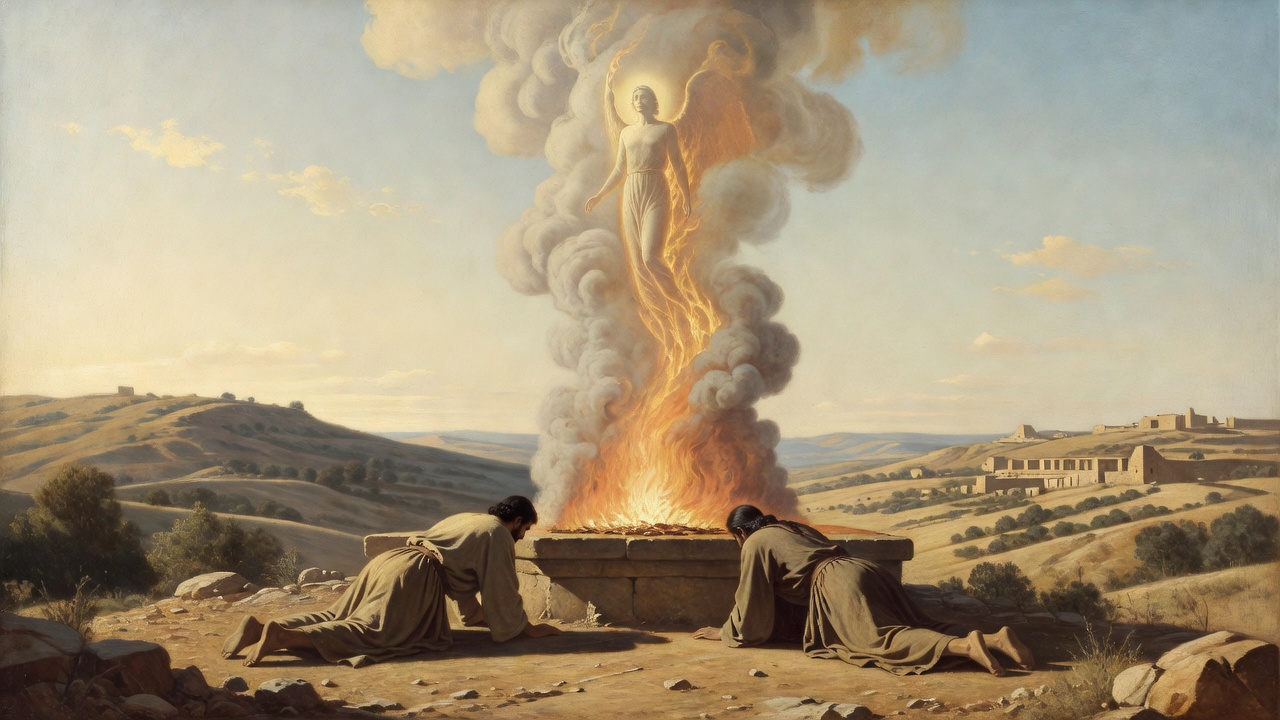
19Manoaba chiwatu zaquera beaped̶a néud̶ebema sid̶a edaped̶a umena mõgara ʌ̃rʌ̃ cob̶ʌped̶a Ãcõrẽa jũma babue diasia. Maʌ̃ne Manoaba idji quima bid̶a acʌ panʌne Ãcõrẽba ne ununacada nãwã osia: 20Manoaba babue diad̶ara waib̶ʌa eradrʌ nũmʌne Ãcõrẽ nezoca bajãnebemara maʌ̃ uruad̶eba bajãnaa wãsia. Manoaba idji quima bid̶a maʌ̃ ununaped̶a Ãcõrẽ wayaad̶eba chĩrãborod̶e copanenaped̶a ãdji dratura egorod̶aa tẽũ copanesid̶aa. 21Ãcõrẽ nezoca bajãnebemara Manoama, dji quimama bid̶a waa odjaẽ́ basía. Maʌ̃ bẽrã Manoaba cawasia dji ẽberãra wãrãda Ãcõrẽ nezoca bajãnebemada mãwã b̶asida. 22Maʌ̃ne idji quimaa nãwã jarasia:
–Ãcõrẽda unuped̶ad̶a bẽrã dadjira beud̶ia.–
23Baribʌrʌ dji quimaba jarasia:
–Mãwãẽ́a. Ãcõrẽba dadjida bea quĩrĩã b̶ad̶abara dadjia chiwatu idjab̶a néud̶ebema babue diaped̶ad̶ara bia edaẽ́ bacasia. Maʌ̃ awara idjia ne ununaca od̶ara unubiẽ́ bacasia ni dadji warra ununinebemada jaraẽ́ bacasia.–
24Mãwãnacarea dji wẽrãba warrada tosia. Maʌ̃ warrara trʌ̃ b̶ʌsia Sansoʌ̃. Sansoʌ̃ waribʌrʌd̶e Ãcõrẽba idjira careba b̶asia. 25Maʌ̃ ewarid̶e Sansoʌ̃ra Daʌ̃neba yõped̶ad̶arã purud̶e b̶abadjia Zora puru idjab̶a Estaol puru ẽsi. Mama Ãcõrẽ Jaureba unubibadjia idjira Sansoʌ̃ ume b̶ʌda.
Did you know?
The Birth and Calling of Samson
- Samson is the first person in Scripture described as a Nazirite from birth. While vows under the law of Moses could be taken for a temporary duration, the angel instructed that Samson was to observe these restrictions, including abstaining from wine, unclean food, and haircuts, for his entire lifetime.Sources: Samson · the Bible text itself
- Samson's father, Manoah, belonged to the tribe of Dan and lived in Zorah, a town in the foothills overlooking the Sorek Valley. Along with neighboring Eshtaol, Zorah served as an important Danite settlement during a period of forty years under Philistine domination.Sources: Manoah · Zorah · Eshtaol · the Bible text itself
- The chapter closes at Mahaneh-dan, a name meaning the camp of Dan, situated between Zorah and Eshtaol. This site marks the location where the Spirit of the LORD first began to move upon Samson in his youth.Sources: Mahaneh-dan · the Bible text itself
Notes written with AI assistance from open sources (Theographic Bible Metadata, CC BY-SA 4.0; Easton’s Bible Dictionary, public domain) and reviewed before publishing.
Credits and license for this translation
Ãcõrẽ Bed̶ea
New Testament in Emberá, Northern (PM:emp:Emberá, Northern)
copyright © 2011 Wycliffe Bible Translators, Inc.
Language: Emberá, Northern
Translation by: Wycliffe Bible Translators, Inc.
Copyright Information
© 2011, Wycliffe Bible Translators, Inc. All rights reserved.
This translation text is made available to you under the
terms of the Creative Commons License: Attribution-Noncommercial-No Derivative Works.
( http://creativecommons.org/licenses/by-nc-nd/3.0/ )
In addition, you have permission to port the text to different file formats, as long as you
do not change any of the text or punctuation of the Bible.
You may share, copy, distribute, transmit, and extract portions
or quotations from this work, provided that you include the above copyright
information:
You must give Attribution to the work.
You do not sell this work for a profit.
You do not make any derivative works that change any of the actual words or punctuation of the Scriptures.
Permissions beyond the scope of this license may be
available if you contact
us with your request.
The New Testament
in Emberá, Northern
© 2011, Wycliffe Bible Translators, Inc. All rights reserved.
This translation is made available to you under the terms of the
Creative Commons Attribution-Noncommercial-No Derivatives license 4.0.
You may share and redistribute this Bible translation or extracts from it in any format, provided that:
You include the above copyright and source information.
You do not sell this work for a profit.
You do not change any of the words or punctuation of the Scriptures.
Pictures included with Scriptures and other documents on this site are licensed just for use with those Scriptures and documents.
For other uses, please contact the respective copyright owners.
2014-04-24
Source: http://ebible.org/empNTpo/ · eBible.org