James 2
Ãcõrẽ Bed̶ea · Tap a verse to see its cross-references.
Ni ab̶aʌ ume quĩrã awara od̶iẽ́ panʌ
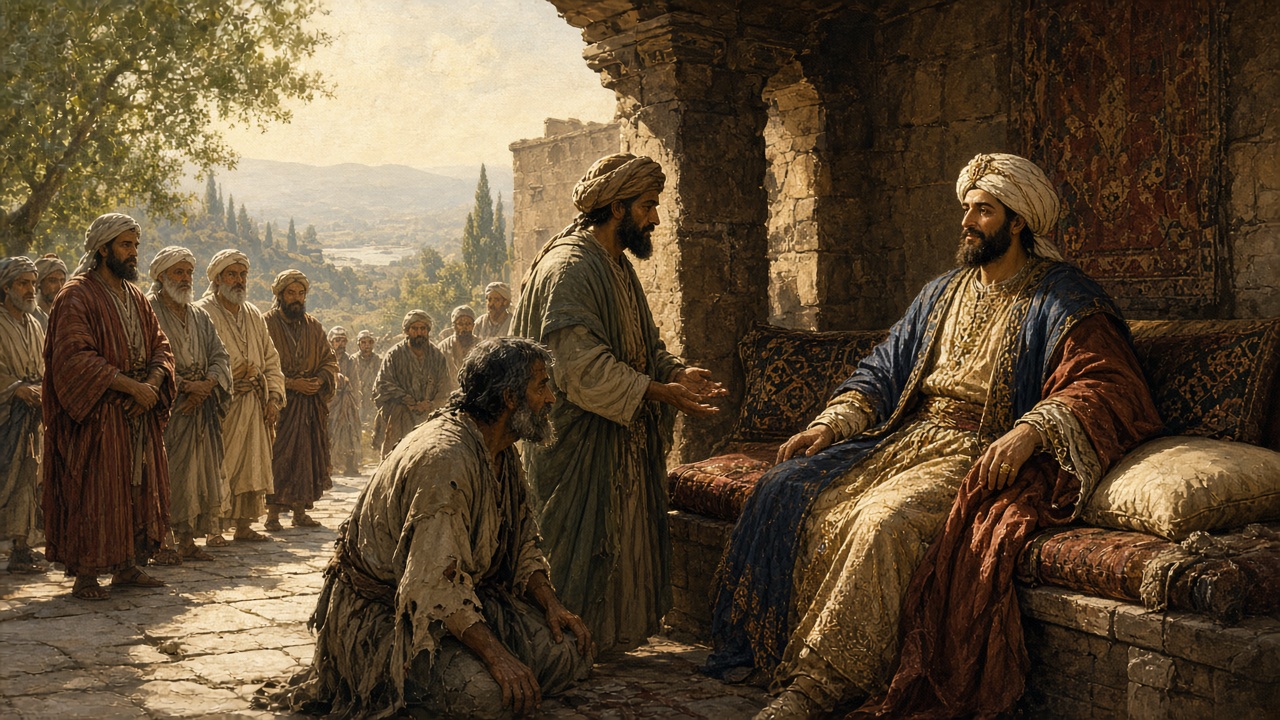
1Djabarã, bãrãba dadjirã Boro biya quiru Jesucritoda ĩjã panʌ bẽrã ni ab̶aʌ ume quĩrã awara orãnadua. 2Ãĩbẽrã ewari ab̶a bãrã ãbaa dji jʌre panʌne ẽberãba jʌwad̶e oro od̶a jʌ̃ b̶ʌda, djio nẽbʌa jʌ̃ b̶ʌda ed̶a zeisicada. Maʌ̃ne idjab̶a ẽberã ne neẽ́ b̶ʌba djio sore jʌ̃ b̶ʌda ed̶a zeisicada. 3Bãrãba bio djio nũmʌda bia ununaped̶a idjía nama biara b̶ʌma chũmeduad̶a ad̶ibʌrʌ, maʌ̃ne dji ne neẽ́ quirúa jãma ʌ̃ta nũmeduad̶a ad̶ibʌrʌ, wa nama mʌ̃ jĩrũ caita egode chũmeduad̶a ad̶ibʌrʌ, ¿ara bãrã tãẽna quĩrã awara o panʌẽ́ca? ¿Crĩcha biẽ́ b̶ʌd̶eba mãwã o panʌẽ́ca?
5Djabarã, ¡ũrĩnadua! ¿Ãcõrẽba naʌ̃ ẽjũãne ne neẽ́ qued̶eara Jesucrito ĩjãnamãrẽã edasiẽ́ca? Mãwã ãdjirãra ne bara panʌ quĩrãca b̶eaa. Ãcõrẽba ãdjirãra bia pe erob̶aya idji quĩrĩã b̶earãa wãrãneba mãwã jarad̶a bẽrã. 6Mãwãmĩna bãrãba ne neẽ́ qued̶eara biẽ́ obadaa. Parata bara b̶eadrʌ bia obadaa. Baribʌrʌ ¿parata bara b̶eabʌrʌ bãrãra biẽ́ od̶acaca? ¿Ãdjiabʌrʌ bãrãra cawa obadamaa õgo eded̶acaca? 7Bãrãra Jesucritod̶ea. Baribʌrʌ ¿ãdjirãba idji trʌ̃ biya quiruda biẽ́ jarad̶acaca?
8Bãrãba Ãcõrẽ leyd̶ebema dji dromaara b̶ʌda wãrãda ĩjã o panʌbʌrʌ, bia o panʌa. Ãcõrẽ Bed̶ead̶e maʌ̃ leyba nãwã jara b̶ʌa: “Djãrãra quĩrĩãdua ara bʌdji quĩrĩã b̶ʌ quĩrãca.” 9Baribʌrʌ bãrãba ʌ̃cʌrʌda quĩrã awara o panʌbʌrʌ, cadjiruada o panʌa. Ãcõrẽ leyba jara b̶ʌa bãrãra maʌ̃ carea bed̶ead̶e panʌda. 10Ab̶aʌba Ãcõrẽ leyd̶ebemada ab̶a ĩjã oẽ́bʌrʌ, jũma ĩjã oẽ́ b̶ʌ carea bed̶ead̶e b̶ʌa. 11Naʌ̃ quĩrãca b̶ʌa. Ãcõrẽba jarasia “daunemarãdua” idjab̶a “mĩã bearãdua.” Daunemaẽ́mĩna mĩã beaibʌrʌ, Ãcõrẽ leyra ĩjã oẽ́ b̶ʌa. 12Quĩrãcuita bed̶ead̶adua idjab̶a jipa od̶adua, Ãcõrẽba dadji ẽdrʌ b̶ʌbari leyd̶eba cawa oi bẽrã. 13Djãrã quĩrã djuburiacara Ãcõrẽba cawa obʌrʌd̶e quĩrã djuburiaẽ́a. Maʌ̃ne djãrã quĩrã djuburiabadara bia b̶ead̶ia.
Crito wãrãda ĩjã b̶ʌba biada obaria
14Djabarã, ab̶aʌba Jesucritoda wãrãda ĩjã b̶ʌad̶a aibʌrʌ, baribʌrʌ biada oẽ́ b̶ʌbʌrʌ, ¿maʌ̃ba carebaica? ¿Maʌ̃ba idjira wãrãda ẽdrʌica? 15Naʌ̃ quĩrãca b̶ʌa. Djababa wa djabawẽrãba cacuad̶e jʌ̃i carea idjab̶a coi carea neẽ́ b̶ʌsicada. 16Maʌ̃ne ab̶a bãrãnebemaba idjía jaraibʌrʌ, “mʌ̃a quĩrĩã b̶ʌa bʌra bia wãida, cacuad̶e jʌ̃i careabemara erob̶aida, idjab̶a bia ne co b̶aida,” baribʌrʌ ni cãrẽ sid̶a diaẽ́bʌrʌ, ¿maʌ̃ jarad̶aba carebasica? Carebaẽ́ basía. 17Ara maʌ̃ quĩrãca Jesucrito ĩjã b̶ʌad̶a a b̶ʌba biada oẽ́bʌrʌ, wãrãda ĩjãẽ́ b̶ʌa. Idjia ĩjã b̶ʌad̶a a b̶ʌra ẽberã beud̶a quĩrãca b̶ʌa.
18Ab̶aʌba jaraisicada: “Bʌa Jesucritora ĩjã b̶ʌad̶a abaria, maʌ̃ne mʌ̃a biada obaria.” Mʌ̃a naʌ̃da jaraya: bʌa bia oẽ́ne acʌbidua Jesucritora wãrãda ĩjã b̶ʌda. Maʌ̃ne mʌ̃a bia o b̶ʌd̶eba acʌbiya Jesucritora wãrãda ĩjã b̶ʌda. 19Bʌa ĩjã b̶ʌa Ãcõrẽra ab̶abʌrʌ b̶ʌda. ¡Bio bia b̶ʌa! Jairã bid̶a mãwã ĩjã panʌa, baribʌrʌ Ãcõrẽ wayaaba urebadaa.
20Bʌra crĩcha neẽ́ b̶ʌa. ¿Mʌ̃a bʌ́a cawabida b̶ʌca Jesucrito ĩjã b̶ʌad̶a a b̶ʌba biada oẽ́bʌrʌ wãrãda ĩjãẽ́ b̶ʌda? 21¿Dadji judiorã zeza Abrahaʌ̃ba od̶a carea Ãcõrẽba idjira jipa unuẽ́ basica? Ãcõrẽba Abrahaʌ̃a idji warra Isara babue diaduad̶a asid̶e Abrahaʌ̃ba mãwã od̶e wãsia. ¿Ãcõrẽba idjira maʌ̃ carea jipa unuẽ́ basica? 22Bʌa cawaida b̶ʌa Abrahaʌ̃ba wãrãda Ãcõrẽra ĩjãna bẽrã mãwã osida. Idjab̶a mãwã od̶a bẽrã unubisia Ãcõrẽra wãrãda ĩjã b̶ʌda. 23Abrahaʌ̃ba od̶aba cawabi b̶ʌa Ãcõrẽ Bed̶ead̶e b̶ʌ́ b̶ʌra wãrãda. Nãwã b̶ʌ́ b̶ʌa: “Abrahaʌ̃ba Ãcõrẽra ĩjãsia. Maʌ̃ carea Ãcõrẽba idjira jipa unusia.” Idjab̶a Abrahaʌ̃ra Ãcõrẽ ume dji biaad̶a abadjid̶aa.
24Maʌ̃gʌd̶eba bãrãba cawa panʌa Ãcõrẽba dadjira jipa unuẽ́ b̶ʌda ab̶abe idjida ĩjã panʌana a panʌ bẽrã, ãtebʌrʌ jipa unu b̶ʌa idjira ĩjãnaped̶a biada o panʌ bẽrã.
25Ara maʌ̃ quĩrãca wẽrã aud̶ua Rahába od̶a carea Ãcõrẽba idjira jipa unusia. Josueba diabued̶arãra idji ded̶e bia edasia idjab̶a dewara óare jẽda wãbisia. 26Beud̶ara jaure neẽ́ b̶ʌa. Ara maʌ̃ quĩrãca Ãcõrẽ ĩjã b̶ʌad̶a a b̶ʌba biada oẽ́bʌrʌ, wãrãda ĩjãẽ́ b̶ʌa. Idjia ĩjã b̶ʌad̶a a b̶ʌra ẽberã beud̶a quĩrãca b̶ʌa.
Did you know?
Impartiality and Living Faith
- James recalls that Abraham was justified by offering his son Isaac on the altar, his faith working with his actions and perfected by what he did. Isaac, the only son of Abraham by Sarah, was the one God commanded Abraham to offer as a sacrifice on a mountain in the land of Moriah.Sources: the Bible text itself · Isaac
- James also cites Rahab the prostitute, justified by welcoming the spies and sending them off on another route. The two spies, sent by Joshua while the Hebrews were encamped at Shittim opposite Jericho, had gone to her house, faced danger in the city, and were saved by her fidelity.Sources: the Bible text itself · Rahab
Notes written with AI assistance from open sources (Theographic Bible Metadata, CC BY-SA 4.0; Easton’s Bible Dictionary, public domain) and reviewed before publishing.
Credits and license for this translation
Ãcõrẽ Bed̶ea
New Testament in Emberá, Northern (PM:emp:Emberá, Northern)
copyright © 2011 Wycliffe Bible Translators, Inc.
Language: Emberá, Northern
Translation by: Wycliffe Bible Translators, Inc.
Copyright Information
© 2011, Wycliffe Bible Translators, Inc. All rights reserved.
This translation text is made available to you under the
terms of the Creative Commons License: Attribution-Noncommercial-No Derivative Works.
( http://creativecommons.org/licenses/by-nc-nd/3.0/ )
In addition, you have permission to port the text to different file formats, as long as you
do not change any of the text or punctuation of the Bible.
You may share, copy, distribute, transmit, and extract portions
or quotations from this work, provided that you include the above copyright
information:
You must give Attribution to the work.
You do not sell this work for a profit.
You do not make any derivative works that change any of the actual words or punctuation of the Scriptures.
Permissions beyond the scope of this license may be
available if you contact
us with your request.
The New Testament
in Emberá, Northern
© 2011, Wycliffe Bible Translators, Inc. All rights reserved.
This translation is made available to you under the terms of the
Creative Commons Attribution-Noncommercial-No Derivatives license 4.0.
You may share and redistribute this Bible translation or extracts from it in any format, provided that:
You include the above copyright and source information.
You do not sell this work for a profit.
You do not change any of the words or punctuation of the Scriptures.
Pictures included with Scriptures and other documents on this site are licensed just for use with those Scriptures and documents.
For other uses, please contact the respective copyright owners.
2014-04-24
Source: http://ebible.org/empNTpo/ · eBible.org